
INtrodiksyon
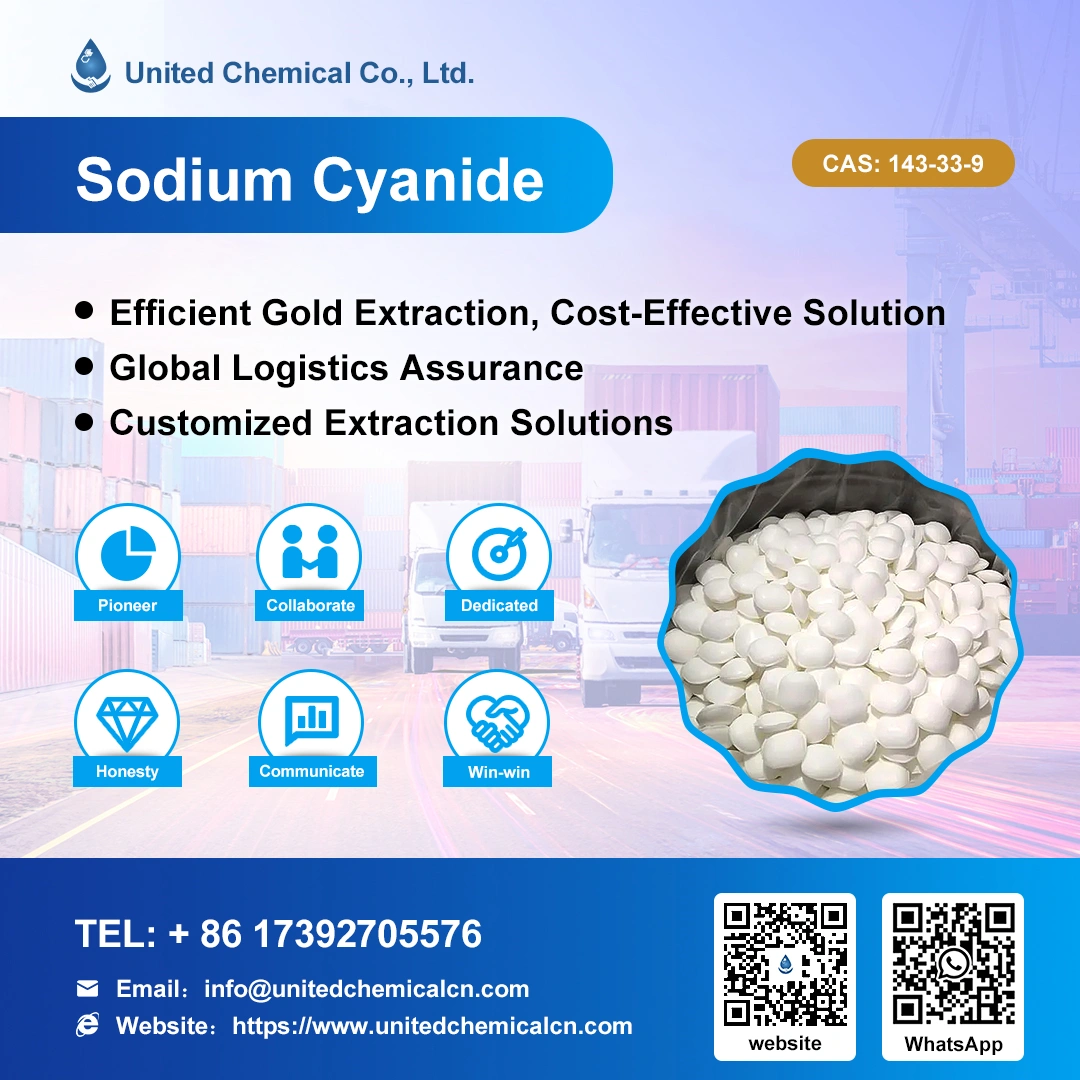
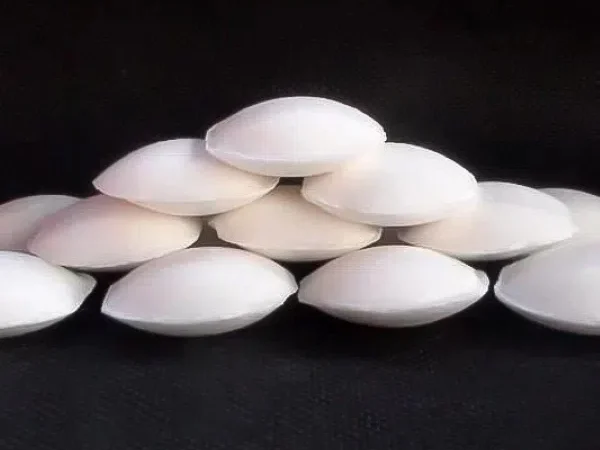
sodyòmsyanid se yon bagay ki trè enpòtan ajan lesivaj nan Ekstraksyon nan metal presye, espesyalman nan la Gold Mining IndustrySepandan, akòz li yo Segondè toksisite ak potansyèl anviwònmanal ak sekirite risks, strict attention must be paid to its application. This article elaborates on the precautions for the use of cyanide sodyòm an detay.
1. Prekosyon Sekirite
1.1 toksisite Konsyantizasyon
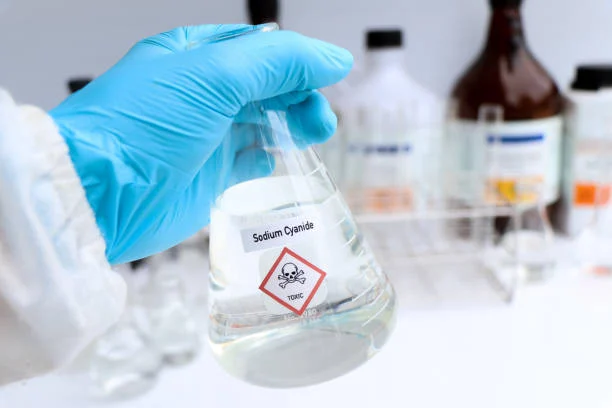
Sodyòm cyanide trè toksik. Inhalation, ingestion, or skin contact with it can mennen grav anpwazònman. syanid within it can inhibit the norMAl function of a key enzyme in the human body that is essential for cellular respiration. This disrUPtion can cause rapid suffocation and even death in severe cases. For example, in some Mining accidents where Sodyòm Cyanide leaked, workers who were not properly protected suffered from acute anpwazònman cyanide, with symptoms such as dizziness, nausea, rapid breathing, and in extreme cases, loss of consciousness.
1.2 Ekipman pwoteksyon pèsonèl (PPE)
Travayè manyenSodyòm cyanide must be equipped with appropriate PPE. This includes gas - tight chemical protective suits, high - efikasite gas masks with filters designed to block cyanide, chemical - rezistan gloves (such as Nitril gloves), and Sekirite goggles. Before starfèblang work, workers should be trained to ensure the correct use of PPE. For instance, when putfèblang on a gas mask, it is necessary to check for airtightness by inhaling and exhaling deeply to ensure that no outside air leaks in.
1.3 Repons pou ijans Planifye
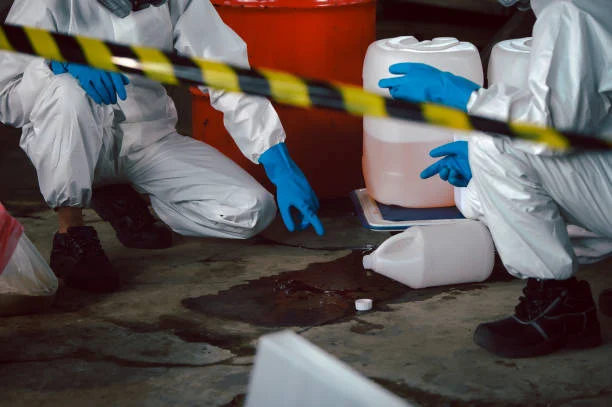
Konpayi yo itilize Sodyòm Cyanide should have well - developed repons pou ijans plans. These plans should include pwosedi for dealing with spills, leaks, and poisoning incidents. First - aid kits equipped with Antidot cyanide (such as hydroxocobalamin) should be readily available on - site. In case of a poisoning incident, immediate first - aid treatment should be provided, and Sèvis medikal ijans should be called without delay. Drills should be regularly conducted to ensure that all employees are familiar with the pwosedi repons pou ijans.
2. Prekosyon Depo
2.1 Anviwònman Depo
Sodyòm cyanide should be stored in a cool, dry, and well - ventilated warehouse. It should be kept away from sources of H.E.A.t, ignition, and direct sunlight. The depo area should be isolated from asids, Ajan oksidant, and other substances that can react with it. For example, if cyanide sodyòm comes into contact with acids, trè toksikgaz cyanide idwojèn will be generated. The warehouse should also be equipped with leak - proof and korozyon - resistant floors and depo faCILities.
2.2 EmballageKondisyon pou
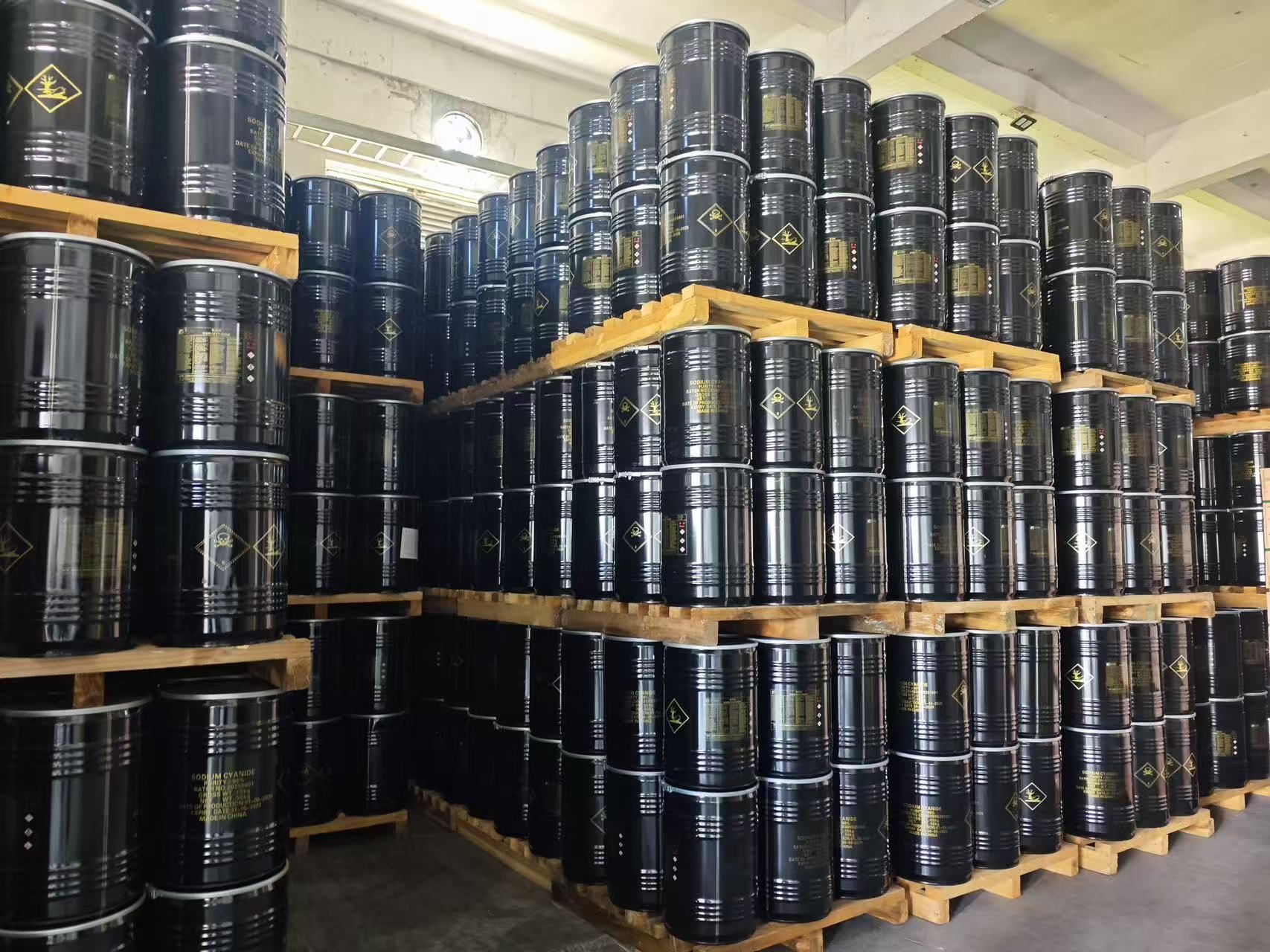
sodyòm cyanide is usually PACkaged in tightly sealed metal drums or plastic - lined containers. The packaging should be clearly labeled with warning signs indicating its Toksisite and other relevant information. Regular inspections of the packaging should be carried out to ensure that there are no leaks or damages. If any signs of leakage are detected, the container should be immediately transferred to a ki san danje location and appropriate containment and clean - up measures should be taken.
3. Prekosyon operasyon
3.1 Kontwòl Konsantrasyon
Nan la pwosesis lesivaj, strict control of the Sodyòm cyanide konsantrasyon is crucial. The appropriate concentration is determined by factors such as the type of ore, the presence of Mineral ki asosye yo, ak nan Lesivaj method. Generally, in Gold Mining, Pou Lixiviasyon pil, the concentration of sodyòm cyanide in the lesivaj solution is often in the range of 0.05% - 0.1%, while for agitation leACHnan nan Flotasyon konsantre, a higher concentration may be required. However, an overly high concentration not only increases costs but also leads to more serious envfèmental and safety risks. On the other hand, if the concentration is too low, the Efikasite lesivaj will be significantly reduced.
3.2 Kontwòl pH
The valè pH of the leaching solution has a significant impact on the estabilite of Sodyòm cyanide. Cyanide remains ki estab nan yon alkalin apeprèfèment. In an acidic envFèment, it will react to form volatile and Trè toksikGaz cyanide idwojèn. Therefore, during the Pwosesis lesivaj, the pH of the solution is usually maintained at a highly alkaline level, and sitwon is commonly added to adjust and maintain the pH. Regular monitoring of the pH value is necessary, and adjustments should be made in a timely manner according to the monitoring results.
3.3 Ajitasyon ak Aerasyon
Proper agitation and aeration are important for ensuring the effectiveness of the Pwosesis lesivaj. Agitation helps to evenly disperse the Solisyon cyanide sodyòm and the ore particles, increasing the contact area between them. Aeration provides the necessary oxygen for the oksidasyon of metal presye during the leaching process. However, excessive agitation may cause splashing of the solution, increasing the risk of ekspoze, and improper aeration may lead to insufficient leaching. The intensity of agitation and aeration should be optimized according to the specific ore Pwopriyete and leaching equipment.
4. Environmental Protection Prekosyon
4.1 Tretman dlo ize
The wastedlo generated during the sodium Pwosesis lesivaj Cyanide contains cyanide and other pollutants. Before discharging, it must undergo strict treatment to meet environmental standards. Common Metòd tretman gen ladan yo Oksidasyon chimik (such as using Klò or dlo oksijene to oxidize cyanide to non - toxic substances), biological treatment (using specific microorganisms to decompose cyanide), and physical - chemical methods (such as ion exchange and Adsorption). The treated wastewater should be regularly monitored to ensure that the cyanide content and other pollutant levels are within the allowable range.
4.2 Jesyon Dechè Solid
Solid waste, such as tailings containing residual sodium cyanide, also needs to be properly managed. Tailings should be stored in specially designed Letan deche with good anti - leakage measures to prevent the leakage of cyanide into the tè and groundwater. In some cases, the tailings may be further processed to reduce the cyanide content or to recover valuable metals. Regular monitoring of the tailings ponds and the surrounding environment is essential to detect any potential pollution problems in a timely manner.
5. regilasyon konfòmite
5.1 Lisans ak Pèmi
Companies using sodium cyanide must obtain the necessary licenses and permits in accordance with relevant Lwa ak règleman yo. These licenses often include environmental permits, safety pwodiksyon licenses, and pwodui chimik danjere operation licenses. The application process usually requires detailed information about the company's production scale, storage enstalasyon, Mezi sekirite, epi pwoteksyon anviwònman plan yo.
5.2 Enspeksyon regilye
Regular inspections by relevant Regilatèy authorities are an important part of ensuring konfòmite. These inspections cover aspects such as the storage conditions of sodium cyanide, the implementation of Mezi sekirite, the treatment of wastewater and solid waste, and the training of employees. Companies should actively cooperate with inspections and make timely rectifications for any non - compliant issues identified.
In conclusion, the application of sodium cyanide as a Ajan lesivaj requires comprehensive attention to safety, storage, operation, Pwoteksyon anviwònman, epi Regilasyon Konfòmite. Only by strictly following these precautions can the Ekstraksyon Efikasite be ensured while minimizing potential risks to Sante imen ak anviwònman an.
- Kontni o aza
- Kontni cho
- Kontni revizyon cho
- Sodyòm bisulfite 99% High Quality faktori Pwovizyon pou
- Amonyòm Persulfate Endistriyèl Klas 98.5%
- Asid fosforik 85% (klas manje)
- 97% 2-Hydroxypropyl metakrilat
- Klas Manje Antioksidan T501 Antioksidan 264 Antioksidan BHT 99.5%
- Diethylene glikol
- Asid adipik 99% itilize kòm materyèl nilon 66
- 1Rabè Sodyòm Cyanide (CAS: 143-33-9) pou Mining - Segondè Kalite & Pri konpetitif
- 2Sodyòm Cyanide 98.3% CAS 143-33-9 NaCN ajan abiye lò Esansyèl pou Endistri Chimik Min
- 3Nouvo Règleman Lachin nan sou ekspòtasyon siyanid sodyòm ak konsèy pou achtè entènasyonal yo
- 4Sodyòm Cyanide (CAS: 143-33-9) Sètifika itilizatè fen (vèsyon Chinwa ak angle)
- 5Entènasyonal Cyanide(Syanid Sodyòm) Kòd Jesyon - Nòm Akseptasyon Gold Mine
- 6Lachin faktori asid silfirik 98%
- 7Asid anidrid oksalik 99.6% Endistriyèl Klas
- 1Sodyòm Cyanide 98.3% CAS 143-33-9 NaCN ajan abiye lò Esansyèl pou Endistri Chimik Min
- 2Segondè Pite · Pèfòmans ki Stab · Pi gwo Rekiperasyon — siyanid sodyòm pou lesivaj lò modèn
- 3Sipleman Nitrisyonèl Manje Depandans Sarkozin 99% min
- 4United ChemicalEkip rechèch la demontre otorite li atravè enfòmasyon ki baze sou done.
- 5AuCyan™ Siyanid Sodyòm Pèfòmans Segondè | 98.3% Pite pou Min Lò Mondyal
- 6Detonatè elektwonik dijital (tan reta 0 ~ 16000ms)
- 7Segondè fòs, segondè-presizyon Detonatè Tib chòk




Konsiltasyon mesaj sou entènèt
Ajoute kòmantè: