
sianida, a beracun bangetsenyawa kimia, has loNg been a subject of concern due to its potential for causing severe harm to Kesehatan Manungsa. Among the various forms of sianida, natrium sianida stands out as a particularly dangerous substance, frequently involved in industrial accidents and, in rare cases, intentional keracunans. Understanding the nature of sodiumkeracunan sianida, its symptoms, and the appropriate Response darurat wigati kanggo amanGuarding lives and minimizing the long - term imPACts of this potentially lethal condition.
pangerten Sodium sianida
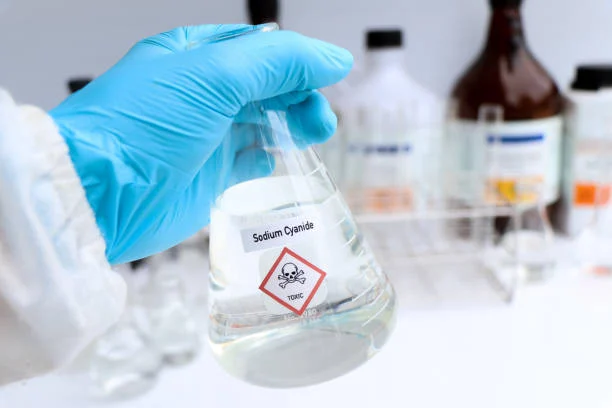
Sodium Sianida punika putih, padhet kristal with a faint almond - like odor. It is widely used in various industries, including Mining, listrik listrik, Lan Manufaktur Kimia. In these industrial settimahgs, workers MAy be exposed to Sodium Sianida liwat inhalasi, kontak kulit, utawa ingestion. Kajaba iku, Sodium sianida bisa mlebu ing lingkungan through industrial waste and pose a risk to the general public.
Kapan Sodium sianida enters the body, it dissociates into ion sianida. These ions bind to cytochrome c oxidase, an enzyme essential for cellular respiration. As a result, cells are unable to use oxygen, mimpining to a rapid onset of symptoms.
Gejala Keracunan sodium sianida
Gejala ing Keracunan sodium sianida can vary depending on the route and extent of cahya. Initial symptoms may include:
respiratory distress: Shortness of breath, rapid breathing, and a feeling of suffocation are common early signs of keracunan sianida. As the condition progresses, the respiratory rate may slow down, leading to respiratory arrest.
H.E.A.dACHe and dizziness: Korban kerep ngalami ngelu, pusing, lan bingung. Ing sawetara kasus, bisa uga ilang eling.
Efek kardiovaskular: Keracunan sianida can cause a rapid or irregular heartbeat, low blood pressure, and eventually cardiac arrest.
Gastrointestimahal symptoms: Mual, muntah, lan nyeri weteng uga kerep dilapurake.
Tanggepan darurat
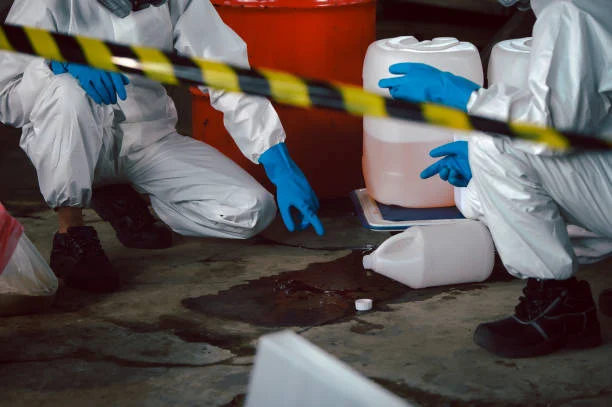
Langsung mbusak saka sumber cahya: If the poisoning occurs in an industrial setting or a location where cyanide is present, the victim should be quickly removed to a well - ventilated area. In cases of skin contact, the contaminated clothing should be removed immediately, and the affected area should be washed thoroughly with banyu paling ora 15 menit.
Nelpon daruratMedical pitulungan: Telpon nomer darurat lokal (kayata 911 ing Amerika Serikat) sanalika bisa. Nyedhiyani operator informasi rinci babagan sing dicurigai keracunan sianida, kalebu lokasi, jumlah korban, lan gejala sing katon.
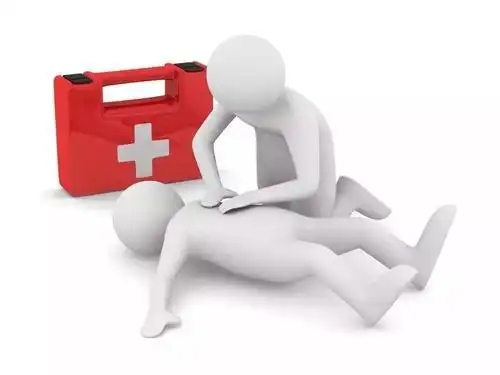
Ngatur sepindah: If the victim is not breathing, begin cardiopulmonary resuscitation (CPR) immediately. If available, use an automated external defibrillator (AED) according to the Produsen's instructions.
Perawatan ing rumah sakit: In the hospital, the primary treatment for cyanide poisoning is the administration of Antidotes. Hydroxocobalamin is a commonly used panangkal racun wisa sing ngiket Ion sianida, forming a less Senyawa beracun that can be excreted from the body. natrium tiosulfat may also be administered to enhance the body's natural Detoksifikasi proses.
Nyegah
Kesehatan industri ngukur: Employers in industries that use natrium sianida should implement strict Langkah Aman to prevent exposure. This includes providing workers with appropriate Perlengkapan Perlengkapan pribadi, such as respirators and gloves, and conducting regular keslametan latihan.
Ngirimwesimental monitoring: Monitoring the envwesiment for cyanide contamination is essential, especially in areas near industrial faCilities. Regular testing of air, water, and lemah can help detect potential sources of contamination and prevent widespread exposure.
Keracunan natrium sianida is a serious medical emergency that requires immediate attention. By understanding the caulah, symptoms, and prosedur tanggap darurat, individuals can take proactive steps to protect themselves and others in the event of an exposure. Additionally, implementing preventive measures in industrial settings and monitoring the envIronment can help reduce the risk of cyanide - related incidents.
- Konten Acak
- Konten panas
- Konten review panas
- Kolektor BLK-301/Materi Aktif Ngambang Komposit ≥60%
- Kolektor T-610 Salicyl oxime acid derivative Content 3.5%
- Dhuwur-kekuwatan, Dhuwur-tliti Shock Tube Detonator
- Asam sitrat - Food Grade
- Food Grade Amonium Sulfat
- Seng Asetat Kelas Farmasi
- Food grade Antioksidan T501 Antioksidan 264 Antioksidan BHT 99.5%
- 1Diskon Sodium Cyanide (CAS: 143-33-9) kanggo Pertambangan - Kualitas Tinggi & Rega Kompetitif
- 2Natrium Sianida 98.3% CAS 143-33-9 NaCN agen pembalut emas Penting kanggo Industri Kimia Pertambangan
- 3Peraturan Anyar China babagan Ekspor Sodium Sianida lan Pandhuan kanggo Pembeli Internasional
- 4Sodium Cyanide (CAS: 143-33-9) Sertifikat pangguna akhir (versi Cina lan Inggris)
- 5Kode Manajemen Sianida Internasional (Sodium sianida) - Standar Penerimaan Tambang Emas
- 6Pabrik China Asam Sulfat 98%
- 7Asam oksalat anhidrat 99.6% Kelas Industri
- 1Natrium Sianida 98.3% CAS 143-33-9 NaCN agen pembalut emas Penting kanggo Industri Kimia Pertambangan
- 2Kemurnian Tinggi · Kinerja Stabil · Pemulihan sing luwih dhuwur - sodium sianida kanggo leaching emas modern
- 3Suplemen Nutrisi Pangan Adiktif Sarcosine 99% min
- 4United ChemicalTim Riset Nduduhake Wewenang Liwat Wawasan sing Didorong Data
- 5Natrium Sianida Kinerja Tinggi AuCyan™ | Kemurnian 98.3% kanggo Pertambangan Emas Global
- 6Detonator Elektronik Digital (Waktu tundha 0 ~ 16000ms)
- 7Dhuwur-kekuwatan, Dhuwur-tliti Shock Tube Detonator






Konsultasi pesen online
Tambah komentar: