
Izinto zokuqala zokukhiqizwa kwe-activated Carbon yilezi: izinto zokusetshenziswa eziqukethe ikhabhoni njengokhuni, i-peat, i-lignite, amalahle aqinile, izinhlamvu zezithelo ezifana nemigodi yomnqumo, amagobolondo kakhukhunathi , njll. Ukusebenza kwalezi zinto kungenziwa kusetshenziswa izindlela ezimbili ezahlukene.
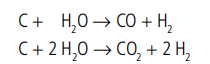
Ekusebenzeni kwegesi, izinto ezivele zifakwe i-carbon ziyasetshenziswa futhi zichayeke ethonyeni lokuxosha umfula wegesi, njengomhwamuko wamanzi, i-carbon dioxide, umoya, noma izingxube zawo. Izinga lokushisa lokusebenza licishe libe ngu-700–1000°C, lapho i-carbon ishiswa khona kancane ngemva kokusabela kwamanzi negesi, ngaleyo ndlela kwakha uhlaka lwe-carbon olunezimbobo, olusebenza kakhulu.
Ekusebenzeni kwamakhemikhali, umuntu uvame ukuhlanganisa izinto ezingenayo i-carbon, eziqukethe i-carbon namakhemikhali aqeda amanzi emzimbeni nakhipha i-oxidation. Ingxube ephumayo bese ishiswa ku-400–800°C. Izinto ezivuselelayo—ezingafaka i-zinc chloride, i-phosphoric acid, i-sulfuric acid, nezinye—kamuva ziyagezwa bese zibuyiswa.
Ukusebenza ngokwako kwenziwa kuma-rotary kilns, ama-multi-stage kilns, ama-shaft kilns, ama-bed kilns agcwele uketshezi, noma ama-reactor e-bed agcwele uketshezi.
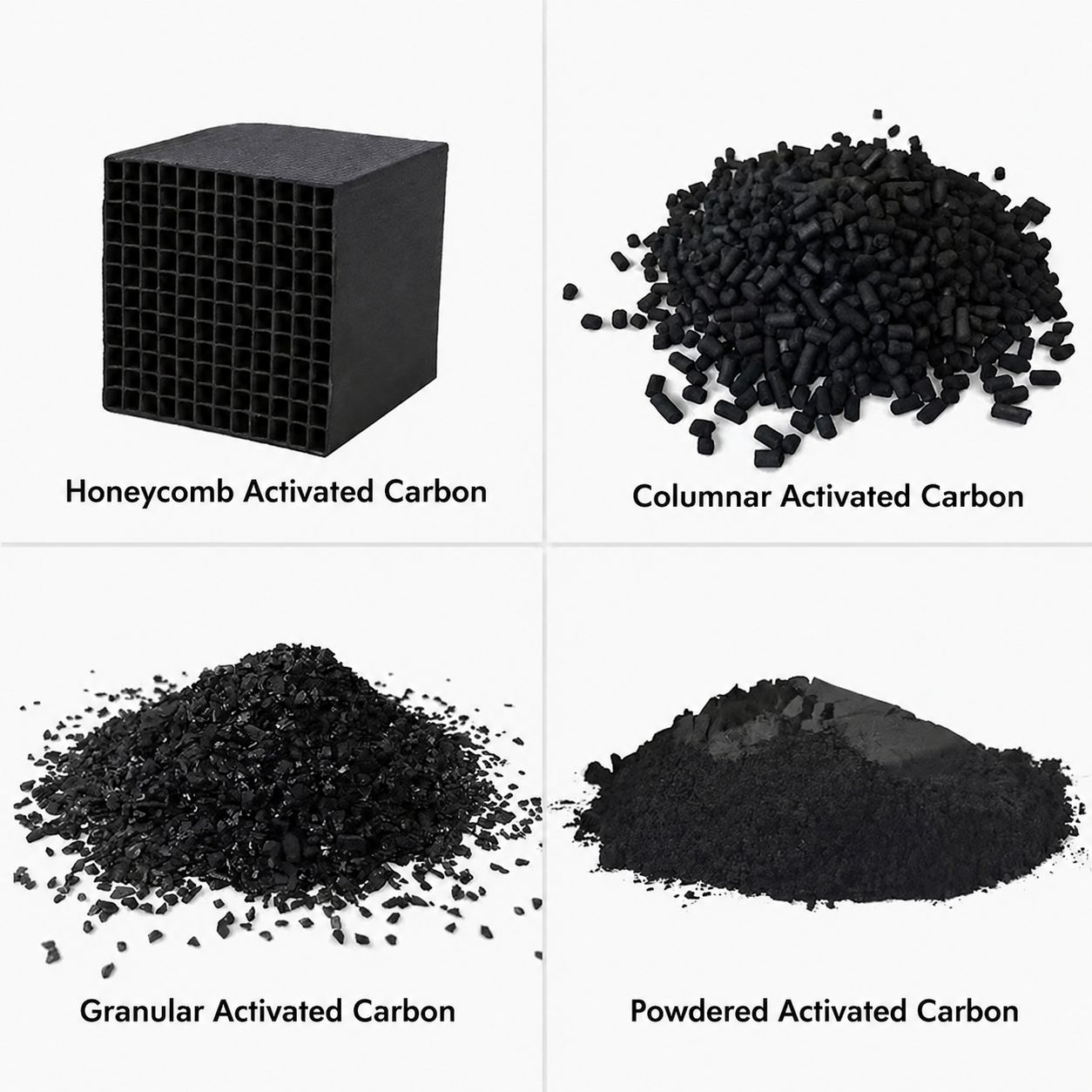
Amafomu omkhiqizo ajwayelekile we- Activated Carbon yile:
ezibunjwe ngendlela (ikakhulukazi ngesimo sama-pellets asilinda),
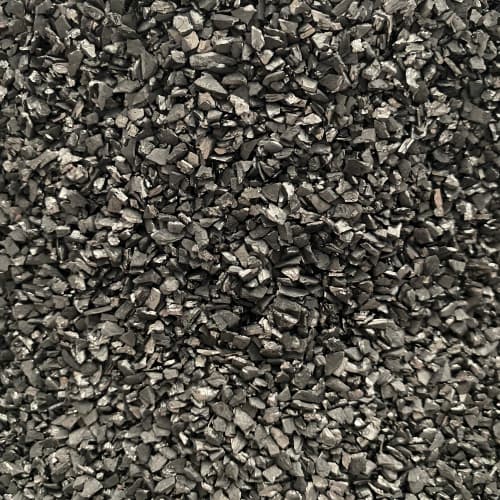
ephukile (ama-granules noma i-activated carbon echotshoziwe),
i-powdered ngobukhulu bezinhlayiya ezichaziwe.
Izindlela zokukhiqiza ezikhethekile zifaka:
ikhabhoni esebenzayo eyindilinga,
imicu yekhabhoni esebenzayo noma ama-fiber mats,
okubizwa ngokuthi “ama-honeycombs.”
Izindlela zokukhiqiza kanye nokwenza kusebenze, kanye nezinto zokusetshenziswa eziyisisekelo, zithonya kakhulu izakhiwo zekhabhoni esebenzayo maqondana namandla ayo okumunca ngesikhathi sokusetshenziswa. Ikakhulukazi, ubukhulu bendawo yangaphakathi kanye nesakhiwo sembobo kuncike kakhulu enkambisweni yokwenza kusebenze.
- Okuqukethwe Okungahleliwe
- Okuqukethwe okushisayo
- Okuqukethwe kokubuyekeza okushisayo
- I-Flexible Customer and Supplier Relations Specialist (: Indonesia)
- I-Calcium Peroxide 60% Ithebhulethi Ye-Assay Ephuzi
- Yiziphi izinyathelo zokuvikela nokuphatha amakhemikhali ezimayini?
- Ngingakusebenzisa kanjani ngokugcwele ukusetshenziswa kwamakhemikhali ekucutshungulweni kwe-ore?
- Ikhwalithi ephezulu ye-Ethyl Thiocarbamate / Sodium Diethyl Dithiocarbamate 94%
- sodium O, O-diethyl dithiophosphate
- I-sodium acetate trihydrate 58% Izinga Lokwelapha Amanzi
- 1I-Sodium Cyanide Eyehlisiwe (CAS: 143-33-9) Yezimayini - Ikhwalithi Ephezulu Namanani Ancintisanayo
- 2I-Sodium Cyanide 98.3% CAS 143-33-9 I-NaCN i-ejenti yokugqoka igolide Ebalulekile Ezimbonini Zamakhemikhali Ezimayini
- 3Imithetho Emisha Yase-China Yokuthekelisa I-Sodium Cyanide Nesiqondiso Sabathengi Bamazwe Ngamazwe
- 4I-Sodium Cyanide (CAS: 143-33-9) Isitifiketi somsebenzisi wokugcina (inguqulo yesiShayina nesiNgisi)
- 5I-Cyanide Yamazwe Ngamazwe (i-Sodium cyanide) Ikhodi Yokuphatha - Amazinga Okwamukela Imayini Yegolide
- 6Imboni yaseShayina iSulfuric Acid 98%
- 7I-Anhydrous Oxalic acid 99.6% Ibanga Lemboni
- 1I-Sodium Cyanide 98.3% CAS 143-33-9 I-NaCN i-ejenti yokugqoka igolide Ebalulekile Ezimbonini Zamakhemikhali Ezimayini
- 2Ukuhlanzeka Okuphezulu · Ukusebenza Okuzinzile · Ukubuyisela Okuphakeme — i-sodium cyanide yokucwiliswa kwegolide yesimanje
- 3United ChemicalIthimba Labacwaningi Libonisa Igunya Ngemininingwane Eqhutshwa Ngedatha
- 4I-AuCyan™ High-Performance Sodium Cyanide | Ukuhlanzeka okungu-98.3% kokumbiwa kwegolide emhlabeni jikelele
- 5I-Digital Electronic Detonator (Isikhathi sokubambezeleka 0~ 16000ms)
- 6I-Detonator yeshubhu yeshubhu enamandla aphezulu, enembayo ephezulu
- 7imboni I-Detonator kagesi


Ukubonisana ngemiyalezo eku-inthanethi
Engeza amazwana: