
Two West African Grade Profiles, Two Leaching Problems
A feed-grade step change at Siguiri and a de-bottlenecking programme at Obuasi both reset the reagent control band — for different reasons.
Within AngloGold Ashanti's 5 November 2026 brownfield programme, Siguiri in Guinea starts Block 3 at year-end with 1.22 g/t feed replacing low-grade stockpile material, at about US$70 million total capital for roughly 100,000 oz/y of additional output. Obuasi in Ghana, where blocks eight and ten currently share a single decline, plans to expand to four distinct operating areas by 2029 with a target of 400,000 oz/y. One change is a metallurgical step change in feed grade; the other is a throughput and access change. Both require the reagent control band to be re-validated, but the diagnostic path is different in each case.
ቁልፍ Takeaways
- Siguiri is a feed-grade event. Moving from low-grade stockpile to 1.22 g/t ore changes dissolution kinetics, reagent demand and the shape of the dosing curve.
- Obuasi is an access and throughput event. Four operating areas by 2029 remove a single-decline bottleneck and change ore blend sequencing.
- A nearby open pit is expected to contribute about 25,000 oz in 2027 and 50,000 oz around 2028, adding another distinct feed type.
- ኮት ዲ ኦር, the higher-grade area, is evaluated for access in the first half of 2029.
- Never carry a control band across a feed change. Bottle roll or column testing on the new blend comes first.
- የዝርዝር ወጥነት across multiple operating areas reduces re-qualification work and makes batch deviations diagnosable.
| ጣቢያ | Disclosed detail |
|---|---|
| Siguiri, Guinea | ~US$70m total capital for ~100,000 oz/y additional output |
| Siguiri Block 3 | Starts at year-end with 1.22 g/t feed, replacing low-grade stockpile material |
| ኦቡአሲ፣ ጋና | Blocks eight and ten currently share a single decline; four distinct operating areas by 2029 |
| Nearby open pit | ~25,000 oz in 2027 and ~50,000 oz around 2028 |
| Cote d'Or area | Higher-grade area evaluated for access in H1 2029 |
| Obuasi target | 400,000 አውንስ/y |
Source: company expansion announcement, 5 November 2026. All figures above are disclosed project numbers; no reagent consumption figures have been estimated by the publisher.
1. Two mechanisms, one consequence
At Siguiri the variable that changes is the ore itself. A low-grade stockpile and a 1.22 g/t fresh feed do not have the same mineralogy, clay content, sulphide exposure or gold liberation. Dissolution rate, reagent demand per tonne and the shape of the leaching curve all move together. A dosing set-point tuned on the stockpile is simply not transferable.
At Obuasi the variable that changes is access and sequencing. Four operating areas feeding a shared circuit mean more blends, more frequent transitions and a wider range of residence times. A nearby open pit contributing 25,000 oz in 2027 and 50,000 oz around 2028 adds yet another feed. The reagent band must be robust across blends rather than optimised for one.
The consequence is the same: the control band must be re-established. The diagnostic path is not. At Siguiri, start with a new bottle roll curve. At Obuasi, start with a blend matrix and a transition protocol.
2. Four difficulties created by feed and access changes
2.1 Dissolution kinetics shift with mineralogy
Higher grade does not automatically mean proportional reagent demand. Sulphide, arsenic and clay content drive side reactions, so the new feed needs its own consumption baseline.
2.2 Blend transitions create invisible drift
When several operating areas feed one circuit, the blend can change without a formal campaign boundary. Operators then see consumption drift and compensate by over-dosing rather than re-testing.
2.3 Adsorption conditions change with solution chemistry
A different feed changes dissolved species in the leach solution. Carbon K/R performance should be re-checked in the new chemistry before throughput is increased.
2.4 Documentation across multiple areas
Multiple feeds and multiple delivery points multiply qualification work. One reagent specification, one test protocol and one COA/TDS/MSDS standard keep deviations traceable.
3. Tutorial: six steps to re-validate a control band after a feed change
- Define the new feed as a separate material. Record grade, mineralogy, clay fraction, sulphide and arsenic content, and particle size for Block 3 ore and for each Obuasi area and open-pit source.
- Run a bottle roll or column curve per feed at the intended pH band, sampling dissolved gold and residual reagent at 2, 6, 12 and 24 hours. Do not average feeds into one curve.
- Rebuild the dosing profile. Front-load where the new curve is steep and taper as it flattens; record the set-point per feed rather than per plant.
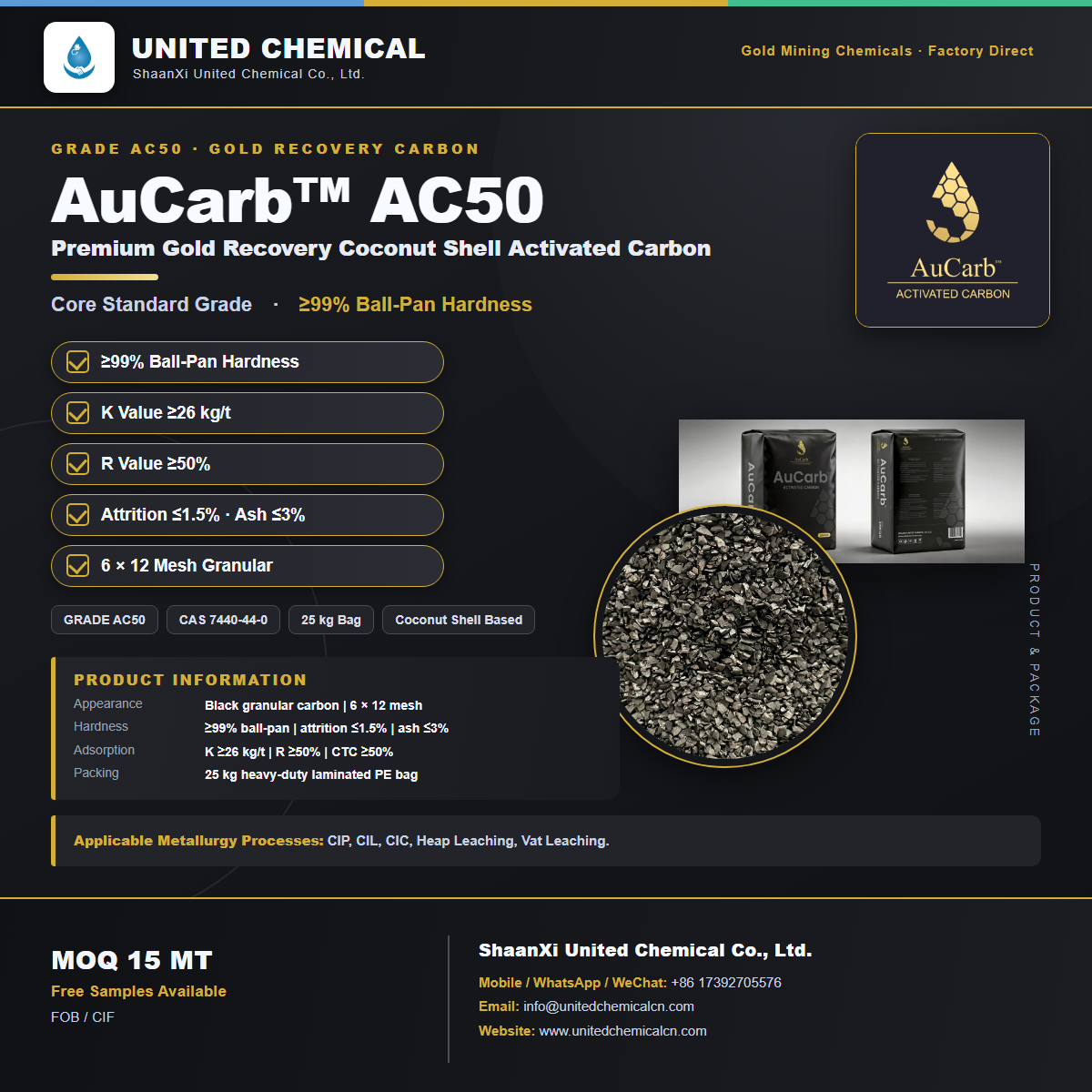
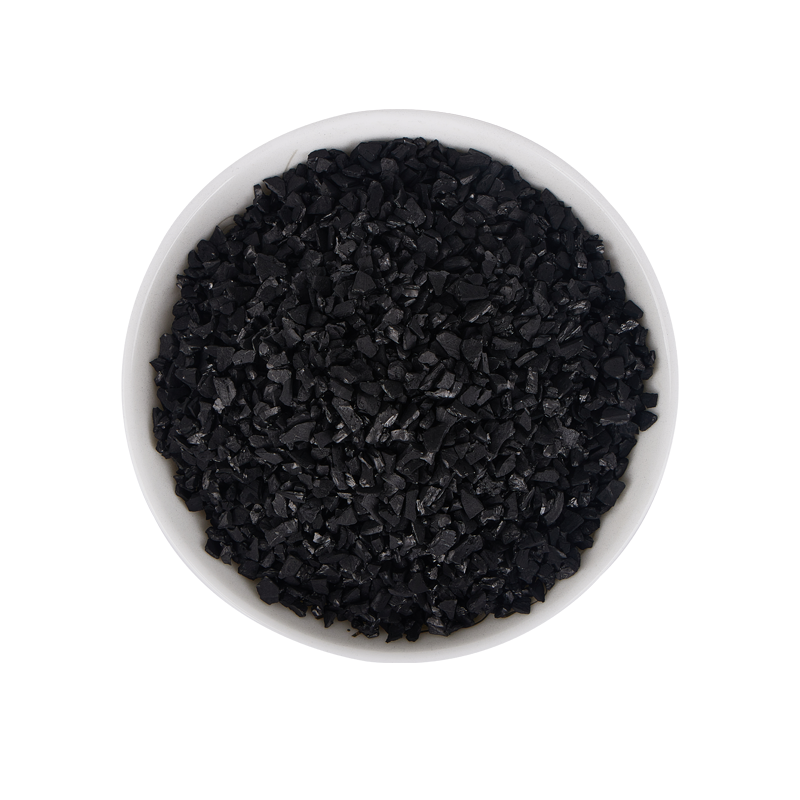
- Re-check the adsorption stage. Confirm AuCarb™ Gold Recovery Coconut Shell Activated Carbon (≥99% Hardness) still delivers the required K/R performance in the new solution chemistry.
- Write a transition protocol. Define what is logged and re-tested when the blend changes between operating areas, and who authorises a set-point change.
- Trace each campaign to its batch COA. Keep TDS and MSDS with the consumption log so any deviation can be tied to a specific delivery and a specific feed.
This sequence is deliberately ore-first. A feed change is a metallurgical event; treating it as a procurement event is why consumption drifts after expansions.
4. የመላ ፍለጋ ሰንጠረዥ
| ምልክትን | መንስኤ ሊሆን ይችላል። | የመጀመሪያ ቼክ |
|---|---|---|
| Recovery lags after Block 3 starts | Dosing set-point carried over from stockpile ore | New bottle roll curve, pH profile |
| Consumption drifting without a campaign boundary | Blend transitions between operating areas | Blend log, transition protocol |
| Carbon loading lower than design | New solution chemistry affecting adsorption rate | R value retest, stage-by-stage tenor |
| Scaling on screens and emitters | Changed water balance with new feed | Make-up water hardness, ካርቦንate trend |
| Batch deviations hard to diagnose | Multiple specs across areas | Single qualification, COA per lot |
5. Three products, one specification
Dissolution is covered by AuCyan™ ሶዲየም ሲያናይድ NaCN (≥98.3%) at 18 MT MOQ; adsorption by የAuCarb™ የወርቅ ማገገሚያ የኮኮናት ቅርፊት ገቢር ካርቦን (≥99% ጥንካሬ) at 15 MT MOQ, with AC50 attrition ≤1.5% and platelet ≤5.0% for stable screening; and the common-chemical alternative by የAuLeach™ የወርቅ ማጣሪያ ወኪል (GDA) - አደገኛ ያልሆነ at 28 MT MOQ, operating at pH 10.5–12. All ship factory-direct under FOB or CIF terms with batch COA, TDS and MSDS, packed for AuCarb™ in 25 kg heavy-duty laminated PE bags. Free laboratory test samples are available for AuCarb™ and AuLeach™.
6. ተዘውትረው የሚጠየቁ ጥያቄዎች
Q1. What changes at Siguiri Block 3?
It starts at year-end with 1.22 g/t feed, replacing low-grade stockpile material, within a plan of about US$70 million for roughly 100,000 oz/y of additional output.
Q2. What changes at Obuasi?
Blocks eight and ten currently share a single decline; the plan expands to four distinct operating areas by 2029 toward a 400,000 oz/y target.
Q3. What is the nearby open pit expected to contribute?
About 25,000 oz in 2027 and 50,000 oz around 2028.
Q4. When is Cote d'Or evaluated?
The higher-grade Cote d'Or area is evaluated for access in the first half of 2029.
Q5. Why does higher grade not solve the reagent problem?
Because sulphide, arsenic and clay content drive side reactions independently of gold grade. The new feed needs its own consumption baseline.
Q6. What is the first step after a feed change?
A bottle roll or column test curve on the new material, sampled over time rather than read at a single endpoint.
Q7. Why is Obuasi a different problem?
It is an access and sequencing change: multiple areas and a new open-pit feed mean frequent blend transitions rather than one metallurgical step change.
Q8. Should the carbon circuit be re-checked?
Yes. A different leach solution chemistry can change adsorption rate, so the K/R performance of AuCarb™ should be confirmed in the new conditions.
ጥያቄ 9. የትኞቹ የኢንኮተርም ውሎች ተፈጻሚ ይሆናሉ?
የFOB ወይም የCIF ውሎች ተፈጻሚ ይሆናሉ።
ጥያቄ 10. AuCarb™ እንዴት ነው የታሸገው?
In 25 kg heavy-duty laminated PE bags, with batch COA, TDS and MSDS per lot.
Q11. Can test samples support the re-validation?
Yes — AuCarb™ and AuLeach™ laboratory samples allow feed-specific testing before an FCL order is placed.
Q12. What is the date of the announcement?
በኩባንያው የብራውንፊልድ የማስፋፊያ ፕሮግራም ውስጥ ህዳር 5 ቀን 2026 ዓ.ም.
7. ምንጮች እና ውስጣዊ አገናኞች
የAuCyan™ · የAuCarb™ መመሪያ · AC50 · AC55 · AC60 · BC1100 · AuLeach™ GDA · ወርቃማ ትሪያንግል · ባለ ሶስት ምርት አጠቃላይ እይታ · የኬሚካል ተደጋጋሚ ጥያቄዎች · የኢንዱስትሪ ዜና · ያግኙን
የምንጭ ማስታወሻ፡ የፕሮጀክት አሃዞች የተወሰዱት ከኩባንያው የማስፋፊያ ማስታወቂያ ህዳር 5 ቀን 2026 ነው። የሪአጀንት ዝርዝሮች United Chemical የምርት ውሂብ።
ለበለጠ መረጃ · ዋትስአፕ +86 173 9270 5576 · info@unitedchemicalcn.com
- የዘፈቀደ ይዘት
- ትኩስ ይዘት
- ትኩስ ግምገማ ይዘት
- ሶዲየም አሚል ዛንታቴ (ኤስኤክስ) 90%፣ ማዕድን ኬሚካል፣ ማዕድን ተንሳፋፊ
- ተንሳፋፊ ሪጀንቶች የአካባቢ ተፅእኖ አላቸው?
- ትክክለኛውን ፍሎክኩላንት እንዴት መምረጥ እችላለሁ?
- የፋብሪካ አቅርቦት ላውራሚን/ዶዴካናሚን 99% ፈሳሽ
- ለውሃ ህክምና, ለማዕድን ማቀነባበሪያ, cationic polyacrylamide polymer
- በማዕድን ሂደት ውስጥ 20 በጣም አስፈላጊ ሬጀንቶች
- United Chemical፣ ቱዚንግሰን ማዕድን እና ሄናን ሊንባኦ ወርቅ ማዕድን ከሳይናይድ ነፃ የሆነ ማዕድን በጋራ አቋቋሙ።
- 1ቅናሽ ሶዲየም ሲያናይድ (CAS: 143-33-9) ለማእድን - ከፍተኛ ጥራት እና ተወዳዳሪ ዋጋ
- 2ሶዲየም ሲያናይድ 98.3% CAS 143-33-9 ለማዕድን ኬሚካል ኢንዱስትሪዎች አስፈላጊ የሆነው የናሲኤን የወርቅ መሸፈኛ ወኪል
- 3የቻይና አዲስ የሶዲየም ሲያናይድ ወደ ውጭ መላክ እና ለአለም አቀፍ ገዢዎች መመሪያ
- 4ሶዲየም ሲያናይድ (CAS: 143-33-9) የመጨረሻ የተጠቃሚ ምስክር ወረቀት (የቻይንኛ እና የእንግሊዝኛ ቅጂ)
- 5ኢንተርናሽናል ሳይናይድ (ሶዲየም ሳይናይድ) የአስተዳደር ኮድ - የወርቅ ማዕድን ተቀባይነት ደረጃዎች
- 6የቻይና ፋብሪካ ሰልፈሪክ አሲድ 98%
- 7Anhydrous Oxalic አሲድ 99.6% የኢንዱስትሪ ደረጃ
- 1ሶዲየም ሲያናይድ 98.3% CAS 143-33-9 ለማዕድን ኬሚካል ኢንዱስትሪዎች አስፈላጊ የሆነው የናሲኤን የወርቅ መሸፈኛ ወኪል
- 2ከፍተኛ ንፅህና · የተረጋጋ አፈፃፀም · ከፍተኛ ማገገም - ሶዲየም ሳይአንዲድ ለዘመናዊ የወርቅ ማቅለጫ
- 3United Chemicalየምርምር ቡድን በመረጃ የተደገፉ ግንዛቤዎችን በመጠቀም ስልጣንን ያሳያል
- 4AuCyan™ ከፍተኛ አፈጻጸም ያለው ሶዲየም ሲያናይድ | ለዓለም አቀፍ የወርቅ ማዕድን ማውጣት 98.3% ንፅህና
- 5ዲጂታል ኤሌክትሮኒክ ፈንጂ (የዘገየ ጊዜ 0 ~ 16000ms)
- 6ከፍተኛ-ጥንካሬ፣ ከፍተኛ-ትክክለኛነት የሾክ ቱቦ ፈንጂ
- 7ኢንዱስትሪ ኤሌክትሪክ Detonator


የመስመር ላይ መልእክት ማማከር
አስተያየት ጨምር፡