Optimización de la recuperación de oro en el oeste de Kenia: reactivos CIP/CIL avanzados para Kakamega y Migori.
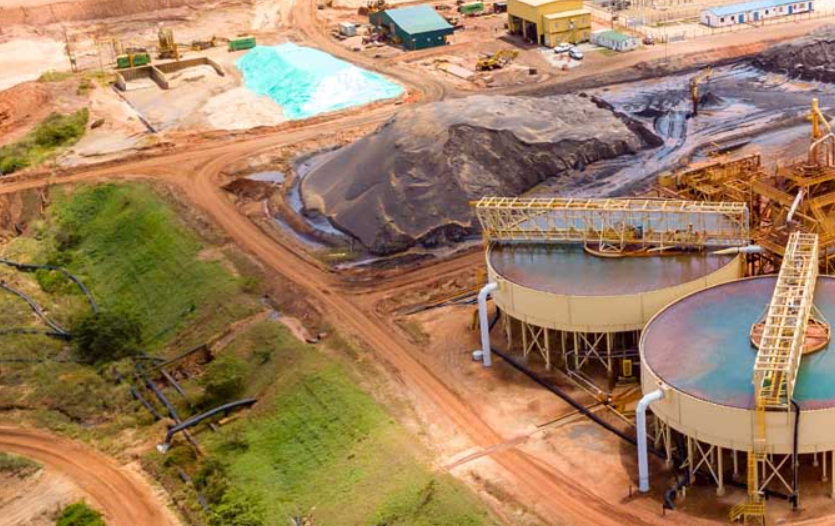
Kenia se está consolidando rápidamente como una zona de gran potencial en la minería de oro de África Oriental. Los cinturones de rocas verdes, tanto históricos como recientemente explorados, en el oeste de Kenia —en particular el corredor de alta ley de Liranda en Kakamega y el cinturón aurífero polimetálico de Migori— están atrayendo importantes inversiones internacionales y chinas. Proyectos como el de Shanta Gold en el oeste de Kenia y las operaciones en Kilimapesa y Karebe ponen de manifiesto su inmenso potencial. Sin embargo, la transición de la exploración a la extracción comercial rentable requiere superar complejos obstáculos geológicos y ambientales propios de la región.
Los metalúrgicos jefes que operan en el oeste de Kenia se enfrentan a tres graves cuellos de botella operativos. Primero, Minerales que absorben prematuramente el oro: La lutita carbonácea que se encuentra comúnmente en el cinturón de rocas verdes de Kakamega actúa como una esponja natural, adsorbiendo prematuramente el complejo de oro disuelto antes de que llegue a la fase de extracción, lo que provoca pérdidas devastadoras en los relaves. Segundo , Sensibilidad ecológica del lago Victoria: La mayoría de los depósitos de oro de Kenia se encuentran dentro de la vital cuenca del lago Victoria. La Autoridad Nacional de Gestión Ambiental de Kenia (NEMA) exige políticas de tolerancia cero con respecto a la escorrentía de productos químicos peligrosos. Obtener una Evaluación de Impacto Ambiental (EIA) para una planta de cianuro tradicional en esta zona es una batalla ardua que dura varios años. Tercero, Degradación durante el tránsito terrestre: Si bien el puerto de Mombasa ofrece un excelente acceso para el transporte marítimo, el transporte de productos químicos peligrosos de Clase 6.1 a través del Gran Valle del Rift hasta el oeste de Kenia expone la carga a calor intenso, humedad y terreno accidentado, lo que exige una integridad impecable del embalaje.
United Chemical Hemos diseñado una matriz de reactivos altamente especializada para resolver estos desafíos específicos de Kenia. Mediante el uso de carbono ultraduro e hipercinético para contrarrestar los agentes naturales que degradan el oro, ofreciendo alternativas de cianuro que cumplen con la normativa NEMA y garantizando la logística terrestre, capacitamos a las minas kenianas para aumentar drásticamente su producción de oro, al tiempo que aseguramos el cumplimiento de la normativa ambiental.
Soluciones personalizadas para la recuperación de oro en yacimientos de mineral de piedra verde de Kenia.
Carbón activado de cáscara de coco AuCarb™ Gold Recovery (dureza ≥99%)
En los cinturones de rocas verdes carbonáceas de Kakamega, el "robo de oro" es el enemigo principal. El carbono natural del mineral se apodera del oro disuelto. Para ganar esta batalla química, es necesario introducir un carbono comercial significativamente más activo y resistente que el carbono natural.
Superando la cinética de robo de preg: AuCarb™ está diseñado con una red macroporosa ampliamente desarrollada. Crea un entorno de adsorción hipercinético que compite agresivamente con la materia carbonácea natural en los minerales de Kenia, extrayendo el complejo [Au(CN)₂]⁻ de la suspensión antes de que pueda ocurrir el robo de preg.
Durabilidad inquebrantable CIP/CIL: Activado térmicamente hasta alcanzar una dureza extrema de ≥99%, AuCarb™ resiste la agitación intensa de los circuitos de carbón en pulpa (CIP). No se desgasta hasta convertirse en partículas microfinas, eliminando por completo el riesgo de que su preciado oro termine en el depósito de relaves.
Agente de lixiviación de oro AuLeach™ (GDA) - No peligroso
La protección de la cuenca del lago Victoria es una prioridad nacional en Kenia. Las regulaciones de la NEMA son extremadamente estrictas en lo que respecta al almacenamiento, uso y gestión de residuos de cianuro. Una sola infracción ambiental puede resultar en la revocación de la licencia.
Gestión segura de relaves para lagos: AuLeach™ ofrece una alternativa de extracción revolucionaria y libre de cianuro. Con certificación mundial como no peligroso y de baja toxicidad, garantiza que el efluente de su instalación de almacenamiento de relaves (TSF) no represente ninguna amenaza para los acuíferos locales ni para el ecosistema del lago Victoria, lo que prácticamente garantiza aprobaciones rápidas de la NEMA EIA.
Transporte terrestre sin fricciones: Al ser un producto químico no peligroso, AuLeach™ evita el lentísimo proceso de tramitación de mercancías peligrosas de Clase 6.1 en el puerto de Mombasa. Se transporta rápidamente por el Corredor Norte hasta el oeste de Kenia sin necesidad de costosos escoltas policiales ni permisos especializados para el almacenamiento de materiales peligrosos.
AuCyan™ Cianuro de sodio NaCN (≥98.3%)
Para las operaciones en el cinturón de Migori que involucran minerales sulfurados y ligeramente polimetálicos, la capacidad de lixiviación es fundamental. Además, el tránsito desde la húmeda Mombasa hasta las tierras altas requiere una protección química extrema.
Máxima potencia lixiviante: Con una pureza mínima garantizada del 98.3 %, AuCyan™ proporciona una concentración abrumadora de iones cianuro libres. Esta fuerza química es esencial para descomponer las matrices sulfuradas en los minerales del oeste de Kenia, acelerando la disolución y aumentando el rendimiento general.
Embalaje resistente a las inclemencias del tiempo del Valle del Rift: Envasamos AuCyan™ en robustos bidones de acero de gran calibre, con certificación UN y revestimiento interior polimérico de doble capa. Ya sea que se enfrente a la humedad costera de Mombasa o al accidentado transporte a través del Valle del Rift, el reactivo llega a su planta en Kakamega o Migori perfectamente seco y con toda su potencia.
Logística sin interrupciones: Desde el puerto de Mombasa hasta su mina.
Contar con un puerto no significa que la logística sea sencilla; el transporte de mercancías peligrosas por el interior del país requiere conocimientos especializados. United Chemical Simplifica toda la cadena de suministro en Kenia.
Despacho optimizado en Mombasa: Proporcionamos documentación impecable (facturas comerciales, certificados de análisis, hojas de datos de seguridad de materiales) que se ajusta perfectamente a los requisitos de la Autoridad Tributaria de Kenia (KRA) y la Oficina de Normas de Kenia (KEBS), evitando así costosos cargos por demora en el puerto.
Transporte terrestre seguro: Colaboramos con empresas de transporte kenianas rigurosamente seleccionadas y autorizadas para manipular productos químicos peligrosos para la minería, lo que garantiza que su carga llegue de forma segura desde Mombasa, pasando por Nairobi, directamente a su planta de procesamiento en los condados occidentales.
Demuestra el rendimiento de tus minerales Kakamega o Migori.
No permita que las características que afectan la productividad o los temores regulatorios detengan su producción. Invitamos a los gerentes de planta y metalúrgicos de Kenia a solicitar muestras de laboratorio gratuitas. Realice pruebas cinéticas directas de CIL y análisis de toxicidad ambiental para validar nuestro desempeño de primera mano.
Solicita ahora muestras de laboratorio gratuitas.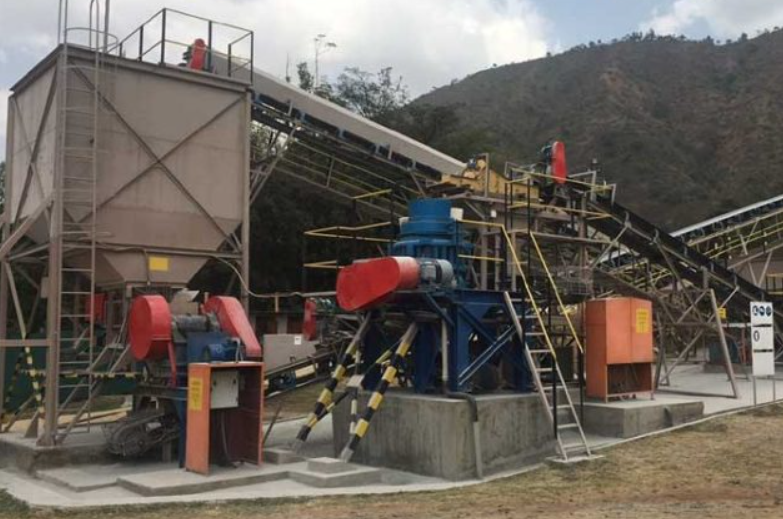
Preguntas frecuentes: Procesamiento de oro en Kenia
1. ¿Por qué es común el robo de embarazos en el cinturón de rocas verdes de Kakamega?
Las formaciones geológicas del oeste de Kenia, como el Corredor de Liranda, suelen contener esquistos carbonáceos. Este carbono natural actúa como una esponja (absorbiendo prematuramente) el complejo oro-cianuro de la solución antes de que pueda recuperarse, lo que provoca graves pérdidas en los relaves.
2. ¿Cómo funciona AuCarb™? carbón activado ¿Derrotar a los mineros kenianos que roban embarazos?
Para combatir el carbón natural, se necesita un carbón comercial superior. El carbón activado de cáscara de coco AuCarb™ Gold Recovery cuenta con una estructura macroporosa hiperdesarrollada que ofrece una cinética de adsorción mucho más rápida. Supera al mineral natural, capturando primero el complejo de oro y protegiéndolo de forma segura.
3. ¿El uso de AuLeach™ ayudará a obtener la aprobación de NEMA cerca del lago Victoria?
Por supuesto. Dado que los yacimientos de oro en el oeste de Kenia se encuentran dentro de la cuenca del lago Victoria, la NEMA (Autoridad Nacional de Gestión Ambiental) regula estrictamente los productos químicos peligrosos. El agente de lixiviación de oro AuLeach™ no contiene cianuro y tiene baja toxicidad, lo que facilita la aprobación de las evaluaciones de impacto ambiental (EIA) y protege completamente los sistemas hídricos locales.
4. ¿La transición a AuLeach™ requiere modificaciones en las plantas en Kenia?
No se requiere inversión de capital ni rediseño de equipos. AuLeach™ está diseñado como un sustituto directo del cianuro de sodio . Puede utilizar sin problemas sus tanques CIL, sistemas de lixiviación en cuba, agitadores y circuitos de recuperación de carbón activado existentes.
5. ¿Por qué es vital una dureza de carbono ≥99% para las operaciones de oro de Migori?
En las operaciones en el cinturón de Migori, a menudo se procesan lodos densos y abrasivos mediante agitadores de alta potencia. Si el carbón activado es blando, se fragmenta (por desgaste) y los fragmentos cargados de oro se pierden en los relaves. AuCarb™ mantiene una dureza superior al 99 %, lo que evita la rotura y elimina la pérdida de oro.
6. ¿Cómo trata AuCyan™ los minerales sulfurados del oeste de Kenia?
Los minerales sulfurados requieren una alta intensidad química para liberar el oro. Al garantizar una pureza ultra alta de ≥98.3 %, el cianuro de sodio (NaCN) AuCyan™ proporciona la máxima concentración de cianuro libre (CN-). Esto permite una disolución más rápida de las matrices de sulfuro, mejorando las tasas de disolución generales e incrementando los rendimientos de recuperación.
7. ¿Cómo se protegen los productos químicos durante el transporte desde Mombasa hasta Kakamega?
El largo trayecto desde la costa hasta el oeste de Kenia implica humedad, calor y carreteras difíciles. Envasamos AuCyan™ en bidones de acero de gran calibre con certificación UN y bolsas interiores de polímero con doble sellado. Esto garantiza la ausencia total de humedad, manteniendo el reactivo seco y potente a su llegada.
8. ¿La importación de AuLeach™ a través del puerto de Mombasa ahorra tiempo en comparación con Cyanide?
Sí, drásticamente. El cianuro de sodio es una mercancía peligrosa de Clase 6.1, que requiere permisos extensos, escolta policial y almacenamiento especial en Mombasa, lo que provoca retrasos en el puerto. AuLeach™ está clasificado como mercancía no peligrosa, lo que permite su despacho de aduana como carga industrial estándar para un envío terrestre rápido.
9. ¿Son sus productos adecuados para minas que están pasando de la producción artesanal a la producción comercial?
Por supuesto. A medida que las minas kenianas transitan de los métodos artesanales a las plantas formales de CIL/CIP, la estandarización de los reactivos es clave para la estabilidad. United Chemical Proporcionamos un suministro escalable, una pureza elevada y constante, y asistencia técnica para garantizar que su planta recientemente modernizada alcance la máxima recuperación prevista en el diseño.
10. ¿Cómo puede nuestra planta de Kenia obtener muestras de prueba gratuitas?
Recomendamos realizar pruebas metalúrgicas exhaustivas. Los gerentes de planta y los ingenieros jefes en Kenia pueden contactarnos directamente para solicitar muestras gratuitas de AuCyan™, AuCarb™ o AuLeach™. Coordinaremos la entrega rápida a su laboratorio para realizar pruebas de lixiviación cinética en botella o columna.
- Contenido aleatorio
- contenido caliente
- Contenido de reseñas interesantes
- ¿Existen regulaciones específicas para el uso de productos químicos en la minería?
- acrilamida
- Hidróxido de calcio grado industrial 90%
- Ácido cianúrico
- Ácido benzohidroxámico
- Glutaraldehído 50% grado industrial
- dibutilditiofosfato de sodio
- 1Cianuro de sodio con descuento (CAS: 143-33-9) para minería: alta calidad y precios competitivos
- 2Cianuro de sodio al 98.3 % CAS 143-33-9 NaCN, agente de preparación de oro esencial para las industrias químicas mineras
- 3Nuevas regulaciones de China sobre las exportaciones de cianuro de sodio y orientación para compradores internacionales
- 4Certificado de usuario final de cianuro de sodio (CAS: 143-33-9) (versión en chino e inglés)
- 5Código Internacional de Gestión del Cianuro (Cianuro de Sodio) - Normas de Aceptación de Minas de Oro
- 6Fábrica china de ácido sulfúrico al 98%
- 7Ácido oxálico anhidro 99.6% grado industrial
- 1Cianuro de sodio al 98.3 % CAS 143-33-9 NaCN, agente de preparación de oro esencial para las industrias químicas mineras
- 2Alta pureza · Rendimiento estable · Mayor recuperación: cianuro de sodio para la lixiviación de oro moderna
- 3United ChemicalEl equipo de investigación demuestra autoridad a través de información basada en datos
- 4AuCyan™ Cianuro de sodio de alto rendimiento | 98.3 % de pureza para la minería de oro global
- 5Detonador electrónico digital (tiempo de retardo: 0 ~ 16000 ms)
- 6Detonador de tubo de choque de alta resistencia y alta precisión
- 7Detonador eléctrico industrial


Consulta de mensajes en línea
Agregar comentario: