
Pêşkêş
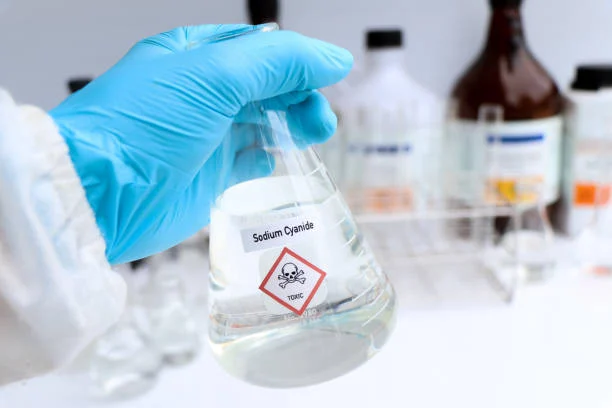
Sodyûm siyanîd (NaCN) kîmyayek pir jehrîn û xeternak e ku bi berfirehî di pîşesaziyên wekî maden, elektroplatkirin û senteza kîmyewî de tê bikar anîn. Ji ber jehrîbûna wê ya zêde û potansiyela zirara cidî ji bo tenduristiya mirovan û jîngehê, prosedurên xebitandina ewlehiyê yên hişk û planên bersiva awarte yên bibandor dema ku bi vê madeyê re mijûl dibin pir girîng in. Armanca vê gotarê ew e ku nihêrînek berfireh li ser prosedurên xebitandina ewlehiyê û tedbîrên bersiva awarte yên têkildarî Sodyûm siyanîd peyda bike.
Taybetmendiyên Sodyum Siyanide
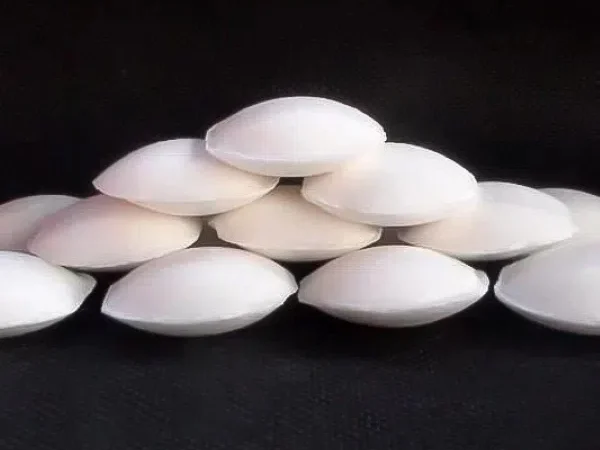
Sodyûm siyanid hişkek krîstalî ya spî ye ku bi bejnek zirav - mîna bîhnê ye. Ew di avê de pir tê çareser kirin û çareseriyek pir alkalîn çêdike. Ew pir jehrîn e, û hêj hejmarek piçûk jî dikare bibe kujêr heke were xwar, bêhn kirin an jî bi çerm ve were kişandin. Mekanîzmaya jehrbûna wê ye
bi şiyana xwe ya astengkirina fonksiyona cytochrome oxidase di hucreyan de dilxweş dibe, bi vî rengî nefesê ya hucreyî diqetîne û dibe sedema nîşanên jehrîbûnê yên bilez.
Rêbazên Operasyona Ewlekariyê
Embarkirinî
Hilbijartina cih: Sodyûm sîyanûr divê li deverek taybetî û baş hewakirî were hilanîn, ku ji kîmyewiyên din, bi taybetî ji asîdan, cuda be. Divê depo li deverek kêm-trafîk û dûrî çavkaniyên şewatê, germî û şilbûnê be.
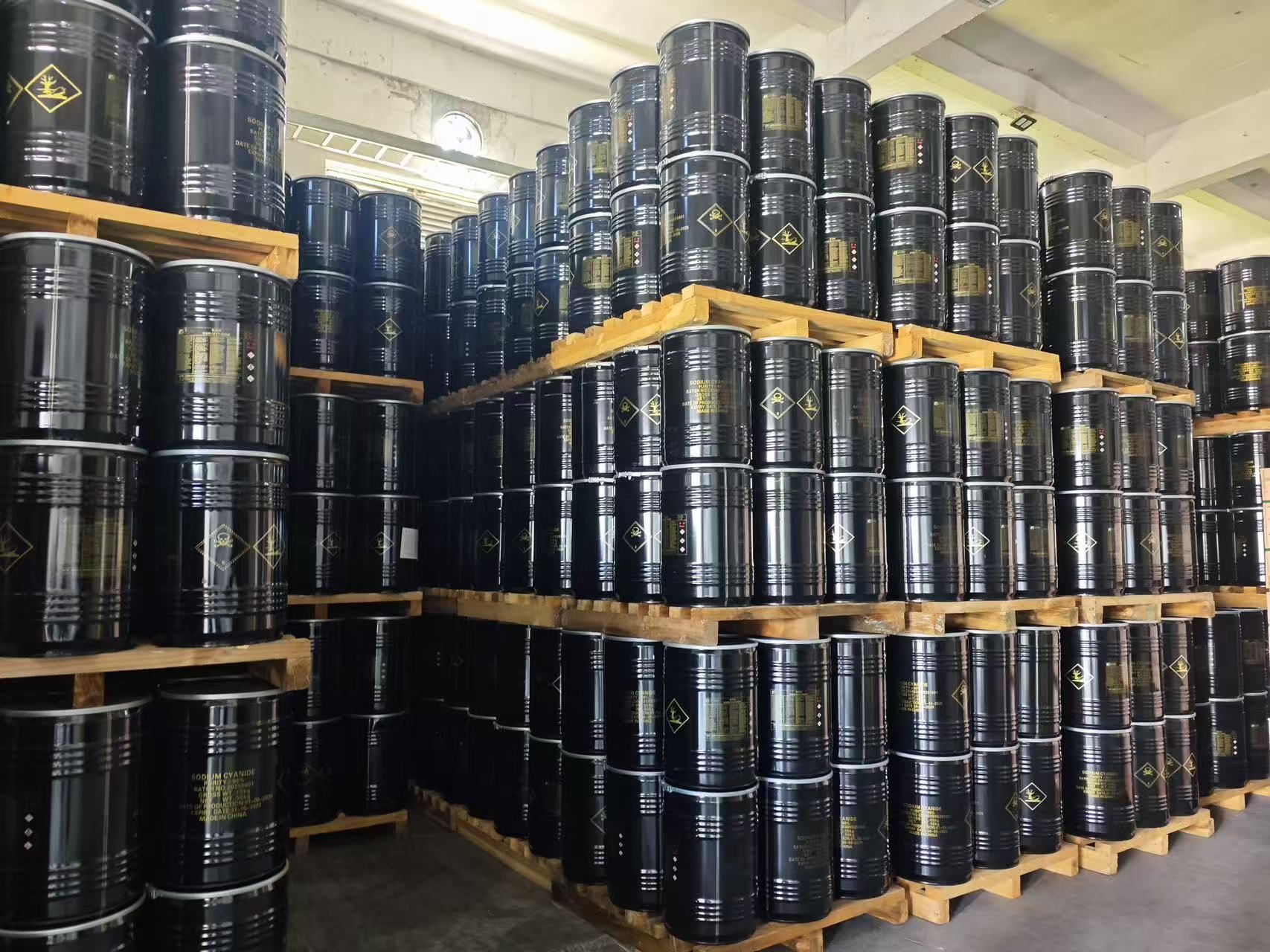
Pêdiviyên konteynerê: Divê ew di konteynerên bi hişkî girtî û li hember korozyonê berxwedêr de, yên ji materyalên wekî polîetîleneya bi dendika bilind an pola bi pêçanên guncaw hatine çêkirin, were hilanîn. Divê konteynir bi navê kîmyewî, hişyariyên xetereyê û rêwerzên destgirtinê bi zelalî werin nîşankirin.
Rêvebirina envanterê: Envanterek rast a mîqdara Sodyûm Sîyanûrê ya di depoyê de bigirin. Konteyneran bi rêkûpêk ji bo nîşanên rijandin, korozyon, an zirarê kontrol bikin.
bizava
Amûrên Parastina Kesane (PPE): Karkerên ku sodyûm sîyanûrê bikar tînin divê PPE-yên guncaw li xwe bikin, di nav de cilên bi tevahî girtî yên li hember kîmyewî berxwedêr, lepikên ji materyalên wekî lastîka bûtîl an lastîka nîtrîl hatine çêkirin, berçavkên ewlehiyê yên li hember kîmyewî berxwedêr, û amûrên parastina respirasyonê. Parastina respirasyonê divê amûrek nefesê ya xweser (SCBA) be ji bo rewşên ku xetera bêhnvedana dû an toza sîyanûrê heye.
Teknîkên destgirtinê: Dema veguhestina sodyûm sîyanûrê, amûrên guncaw ên wekî kepçe an jî hûnikên ji materyalên nereaktîf hatine çêkirin bikar bînin. Di dema destgirtinê de ji çêbûna tozê dûr bisekinin, ji ber ku perçeyên hewayî dikarin bi hêsanî werin kişandin. Tu carî destên tazî bikar neynin da ku kîmyewîyê dest pê bikin. Divê hemî xebat di kapek dûmanê ya baş hewakirî an jî di deverek bi hewakirina derdana herêmî ya bi bandor de werin kirin.
Pêşîgirtina li rijandinê: Berî destpêkirina her operasyoneke destgirtinê, piştrast bikin ku qada xebatê bi materyalên kontrolkirina rijandinê yên wekî balîfên mijîner, qûm, an jî ajanên bêbandorker ve hatîye stendin. Planeke kontrolkirina rijandinê hebe û cîhê stasyonên şuştina çavan ên awarte û serşokên ewlehiyê bizanin.
Ragihandinê
Pêdiviyên Wesayîtan: Divê sodyûm siyanûr di wesayîtên ku ji bo veguhestina madeyên xeternak hatine çêkirin û pejirandin de werin veguhastin. Divê wesayît bi pergalên hewakirinê yên guncaw, cîhazên kontrolkirina rijandinê û nîşaneyên ewlehiyê werin stendin.
Belgekirin: Divê hemû veguhastina sodyûm sîyanûr bi belgekirina berfireh re were kirin, tevî navê kîmyewî, mîqdar, jêderk, cihê gihîştinê û agahdariya têkiliyê ya awarte. Divê rêya veguhastinê bi baldarî were plansaz kirin da ku ji deverên qerebalix û deverên bi wergirên hawîrdorê yên hesas dûr bikevin.
Tedbîrên Bersiva Lezgîn
Di doza rijandin an rijandin
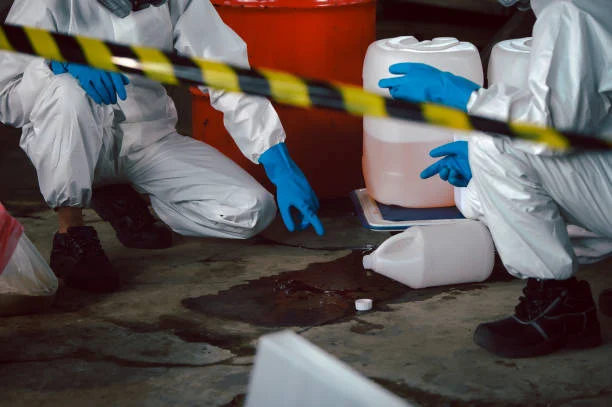
Tehliyekirin: Hemû karmendên ne-pêwîst tavilê ji herêmê derxînin. Ji bo rêgirtina li ketina bêdestûr, li dora herêma rijandinê peravek çêkin.
Ragirtin: Ji bo kontrolkirina belavbûna sodyûm siyanûra rijandî, materyalên kontrolkirina rijandinê bikar bînin. Ji bo kişandina rijandinên şilavê, materyalên mijandinê dikarin werin bikar anîn, lê ji bo nixumandina rijandinên hişk, qûm an materyalên din ên bêbandor dikarin werin bikar anîn. Ji bo şuştina rijandinê avê bikar neynin, ji ber ku ev dikare bibe sedema çêbûna gaza hîdrojen siyanûrê, ku pir jehrîn e.
Bêbandorkirin: Ji bo rijandinên piçûk, madeyek bêbandorkirinê wekî sodyûm hîpoklorît dikare were bikar anîn da ku sodyûm sîyanûr veguherîne madeyên kêm jehrîn. Lêbelê, ev tenê divê ji hêla karmendên perwerdekirî ve were kirin ku prosedurên ewlehiyê yên guncaw bişopînin.
Paqijkirin: Piştî bêbandorkirinê, madeya rijandî bi baldarî paqij bikin û ji bo avêtinê têxin konteynerên guncaw û bi nîşankirî. Divê qada paqijkirinê bi tevahî were dezenfektekirin, û hemî PPE û amûrên ku di pêvajoya paqijkirinê de têne bikar anîn divê bi rêkûpêk werin paqijkirin û dezenfektekirin.
Di rewşa jehrîbûnê de
Alîkariya Yekem: Ger guman hebe ku kesek bi sodyûm siyanûrê jehrî bûye, tavilê qurbanî ji cihê qirêjbûyî derxînin hewaya paqij. Ger madeyên kîmyewî bi çerm re ketine têkiliyê, cilên qirêj derxînin û çerm bi mîqdarên mezin ên avê herî kêm 15 deqîqeyan bişon. Ger çav bandor bûne, wan bi mîqdarên zêde yên avê herî kêm 15 deqîqeyan bişon. Vereşînê nexin holê.
Dermankirina bijîşkî: Tavilê telefonî xizmetên bijîşkî yên acîl bikin. Dibe ku qurbanî bi antîdotên wekî hîdroksokobalamin an sodyûm nîtrît/sodyûm tîosulfat dermankirinê hewce bike. Alîkariya bijîşkî ya bilez ji bo saxmayîna kesê jehrîbûyî pir girîng e.
Agir bi siyanidê sodyûmê
Rêbaza vemirandina agir: Ji bo vemirandina agirên ku sodyûm siyanûr tê de hene , amûrên vemirandina kîmyewî yên hişk, qûm, an jî amûrên vemirandina karbondîoksîtê bikar bînin . Avê bikar neynin, ji ber ku ew dikare bi sodyûm siyanûr re reaksiyonê bike û gaza hîdrojen siyanûr çêbike. Divê agirkuj cilên parastinê yên tevahî, tevî SCBA, li xwe bikin û ji aliyê bayê ve nêzîkî agir bibin.
Nirxandina xetereyê: Di dema şewatê û piştî wê de, hewa ji bo hebûna gaza hîdrojen sîyanûrê bişopînin. Ger rêjeya gazê ji astên ewle derbas bibe, deverên nêzîk vala bikin. Piştî ku agir hate vemirandin, zirarê bi baldarî binirxînin û li gorî rêziknameyên jîngehê her bermayiyek paqij bikin.
Perwerde û Perwerde
Hemî personelên ku dikarin bi sodyûm siyanidê re têkevin têkiliyê, di nav de xebatkarên di hilberîn, hilanîn, veguheztin, û tîmên bersivdana acîl de, divê perwerdehiya birêkûpêk li ser taybetmendî, prosedurên operasyona ewlehiyê, û tedbîrên bersivdana acîl ên têkildarî sodyûm sîanîd werbigirin. Di perwerdehiyê de pêdivî ye ku bi destan - pratîkê de ji bo birêvebirina rijandin, karanîna PPE, û birêvebirina alîkariya yekem. Pêdivî ye ku tomarên perwerdehiyê bêne parastin da ku lihevhatin were piştrast kirin.
Xelasî
Sodyûm sîanîd kîmyewî ye ku asta herî bilind a hişyariyê û pêgirtina hişk a prosedurên ewlehiyê hewce dike. Bi şopandina protokolên hilanînê, hilgirtin, û veguheztinê yên rast, û xwedîkirina planên bersivdana acîl a bi bandor, xetereyên ku bi sodyûm sîanîdê ve girêdayî ne dikarin kêm bibin. Perwerdehiya birêkûpêk û perwerdehiya karmendan ji bo peydakirina jîngehek xebatê ya ewledar û ji bo parastina hem tenduristiya mirovan û hem jî jîngehê ji xetereyên potansiyel ên vê kîmyewî ya pir jehrîn pêdivî ye.
- Naveroka Random
- Naveroka germ
- naveroka review hot
- Elementa Derengiya Bilind-Rêz (25ms- 10000ms)
- Tubeya şokê ya plastîk (VOD≧1600m/s)
- Thiourea 99% çalakiya bilind Hilberînerê Pîşeyî
- Ez çawa dikarim reagenta flotasyonê ya rast hilbijêrin?
- Sodyum Tripolyphosphate
- Kalsiyûm hîdroksîda Pîşesaziyê 90%
- Sodyum Diisobutyl Dithiophosphate/Dithiophosphate 49% - 53%
- 1Siyanidê Sodyûmê erzankirî (CAS: 143-33-9) ji bo Madenê - Qalîteya Bilind & Bihayê Pêşbazî
- 2Sodyûm Siyanûr 98.3% CAS 143-33-9 NaCN madeya pêçandina zêr Ji bo Pîşesaziyên Kîmyayî yên Madenê Girîng e
- 3Rêziknameyên Nû yên Chinaînê yên li ser Hinardekirina Sîyanîdê Sodyûm û Rêbernameya ji bo Kirrûbirên Navneteweyî
- 4Sodyum Syanide (CAS: 143-33-9) Sertîfîkaya bikarhênerê dawî (guhertoya Çînî û Îngilîzî)
- 5Koda Rêvebiriyê ya Navnetewî (Syanîdê Sodyûm) - Standardên Pejirandina Kana Zêrîn
- 6Fabrîkaya Çînê Asîdê Sulfurîk 98%
- 7Asîda Oxalic a bêhîd 99.6% Pîşesaziya Pîşesaziyê
- 1Sodyûm Siyanûr 98.3% CAS 143-33-9 NaCN madeya pêçandina zêr Ji bo Pîşesaziyên Kîmyayî yên Madenê Girîng e
- 2Paqijiya Bilind · Performansa Sabît · Vegerandina Bilindtir — sodyûm sîyanûr ji bo şûştina zêr a nûjen
- 3United ChemicalTîma Lêkolînê ya 's Bi Rêya Têgihîştinên Li Ser Daneyan Desthilatdariya xwe Nîşan Dide
- 4Siyanûra Sodyûmê ya Performansa Bilind a AuCyan™ | Paqijiya %98.3 ji bo Kanên Zêr ên Cîhanî
- 5Detonatorê Elektronîkî Dîjîtal (Dema Derengmayînê 0~ 16000ms)
- 6Detonatorê lûleya şokê ya bi hêz û rast-bilind
- 7pîşesaziya Electric Detonator




Şêwirmendiya peyama serhêl
Şîrove zêde bike: