
Reading a 600–750 koz/y PEA as a Reagent Demand Forecast
A preliminary economic assessment is a planning document. Here is how a procurement team converts it into a reagent model without pretending the unknowns are settled.
Barrick Mining reported on 9 November 2026 that an agreement had been reached with Newmont to contribute the Fourmile gold project to the Nevada Gold Mines joint venture. The preliminary economic assessment outlines average gold production of 600,000 to 750,000 ounces a year at mining rates of 1.5–1.8 million tonnes of ore annually. Early works are already under way. For reagent buyers, the useful output is not a single tonnage figure but a bounded range that can be stress-tested against grade, recovery and flowsheet assumptions.
Key Takeaways
- A PEA gives a range, not a schedule. 600–750 koz/y and 1.5–1.8 Mt/y are planning bounds; procurement must work with both ends.
- Underground, low mining rate, long life. A steady 1.5–1.8 Mt/y feed is a different reagent profile from a high-tonnage open pit.
- Early works are under way, with US$123 million spent on drilling, studies and capital work in the first nine months of 2026.
- Capital estimates are staged: US$1.5–1.7 billion at PEA level, with US$360–430 million for the approved phase to mid-2030.
- Flowsheet is not the same as reagent choice. The leaching route, pH band and Karbon circuit still have to be validated on the actual ore.
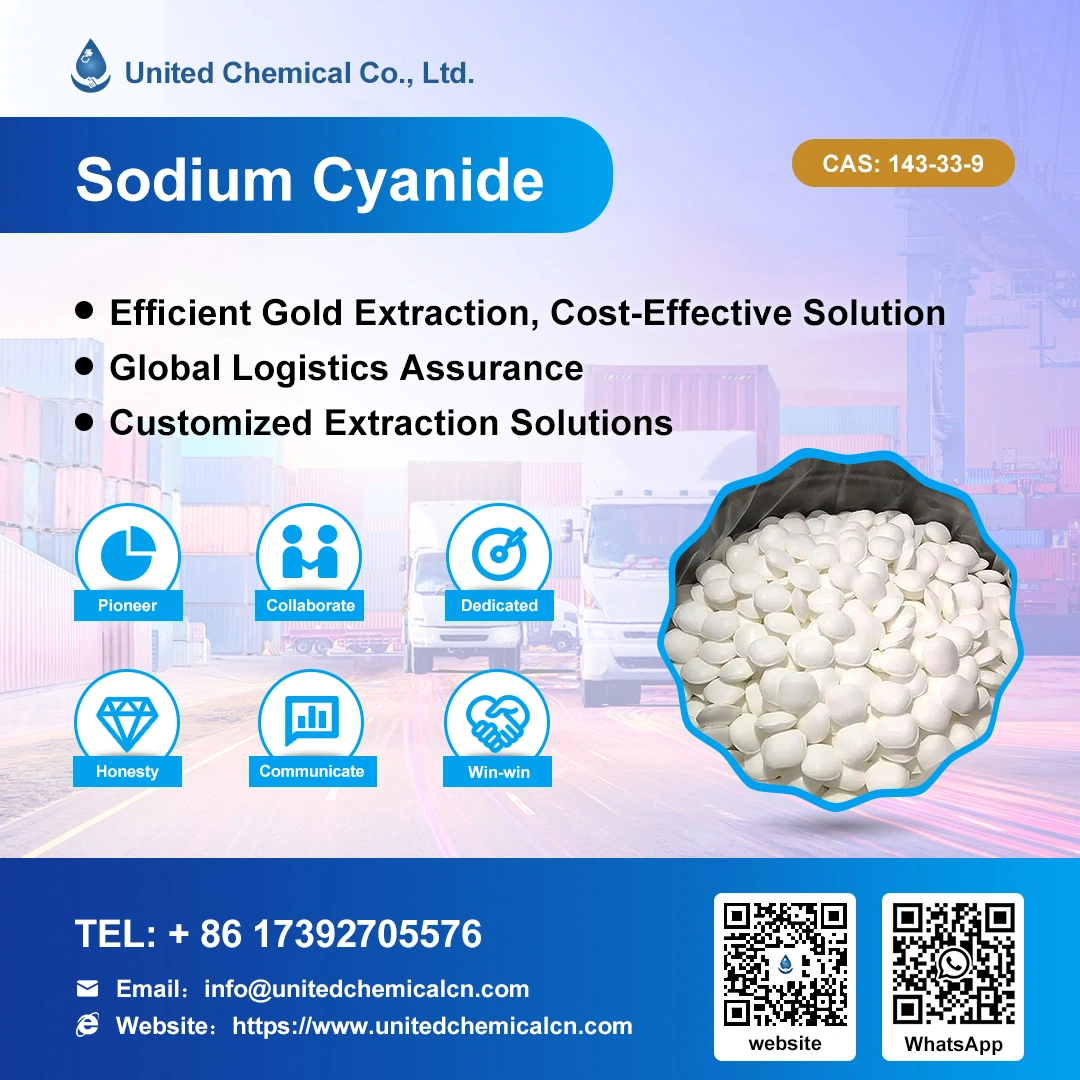
- Documentation lead time is a project risk saan Sodium Cyanide is used: UN 1689 Class 6.1, permits and an End-User Certificate sit ahead of production slots.
| Bagay | Isiniwalat na pigura |
|---|---|
| Kasunduan | Newmont agreement to contribute Fourmile to Nevada Gold Mines JV |
| Average annual production (PEA) | 600,000–750,000 oz/y |
| Mining rate (PEA) | 1.5–1.8 Mt/y of ore |
| Capital estimate (PEA) | US$1.5–1.7 bilyon |
| Approved phase to mid-2030 | US$360–430 milyon |
| Spend in first nine months of 2026 | US$123 million on drilling, studies and capital work |
Source: Barrick Mining project update, 9 November 2026. All figures above are disclosed project numbers; no reagent demand figures have been estimated by the publisher.
1. What a PEA can and cannot tell a reagent buyer
A preliminary economic assessment is designed to test whether a project is worth advancing, not to specify consumables. It gives a production range, a mining rate, a capital estimate and a schedule of studies. It does not fix the final flowsheet, the ore blend by year, the recovery curve or the reagent dosage. Treating those as settled at PEA stage is the fastest way to build a procurement model that has to be rebuilt twice.
What the PEA does support is a bounded scenario. With 1.5–1.8 Mt/y of ore, a buyer can model reagent tonnage at the low and high ends of the range, then attach a sensitivity to grade and recovery. The result is a planning envelope with explicit assumptions rather than a single number presented as fact.
2. Four difficulties in forecasting from a PEA
2.1 Flowsheet uncertainty
Whether the ore goes through CIP, CIL, CIC, Heap leaching or Vat leaching determines which reagents are consumed and in what proportion. Until that is fixed, reagent volumes remain scenario-dependent.
2.2 Grade and recovery assumptions
Ounces per year divided by recovered grade gives treated tonnage. A small change in the recovery assumption shifts the tonnage materially, and with it the kg/t demand for leaching reagent and carbon make-up.
2.3 Long lead times collide with staged approval
A US$360–430 million approved phase running to mid-2030 and a US$1.5–1.7 billion PEA-level estimate are different commitment levels. Documentation for UN 1689 Class 6.1 material must be sequenced to the actual phase, not to the headline figure.
2.4 Ore variability over a long mine life
A long-life underground operation will see changing blends. A reagent specification that holds one control band across those blends reduces re-qualification work.
3. Tutorial: six steps from a PEA to a reagent envelope
- Take the mining rate bounds — 1.5 and 1.8 Mt/y — as two separate cases rather than an average.
- State the flowsheet assumption explicitly for each case, and mark it as an assumption until the study fixes it.
- Apply a measured unit consumption in kg/t for the leaching reagent and a carbon make-up rate for the adsorption circuit, sourced from comparable operations or bottle roll work rather than invented.
- Run the grade and recovery sensitivity on both cases, showing how tonnage and reagent demand move when recovery shifts.
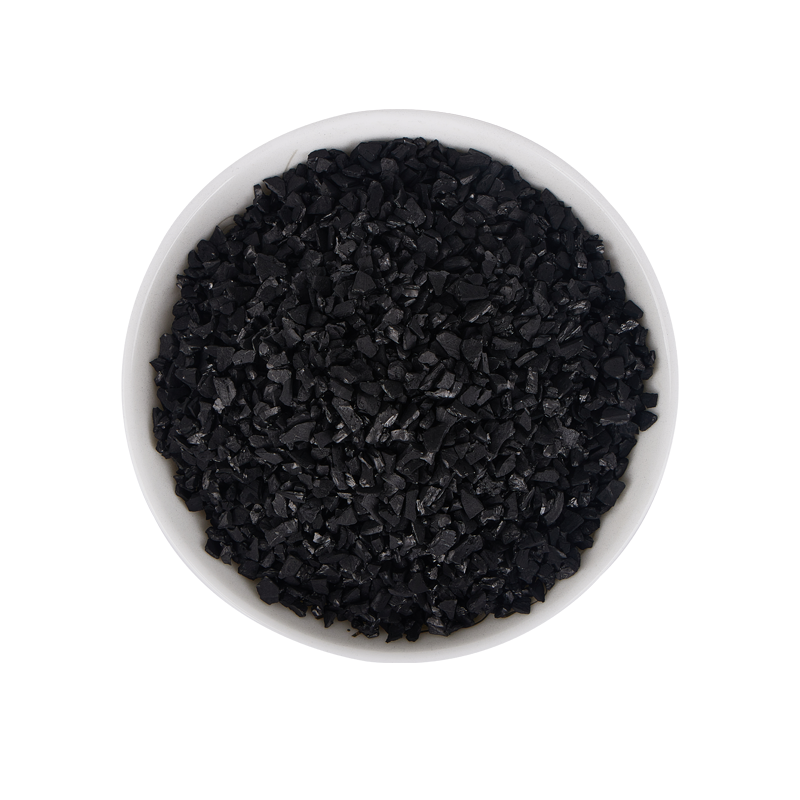
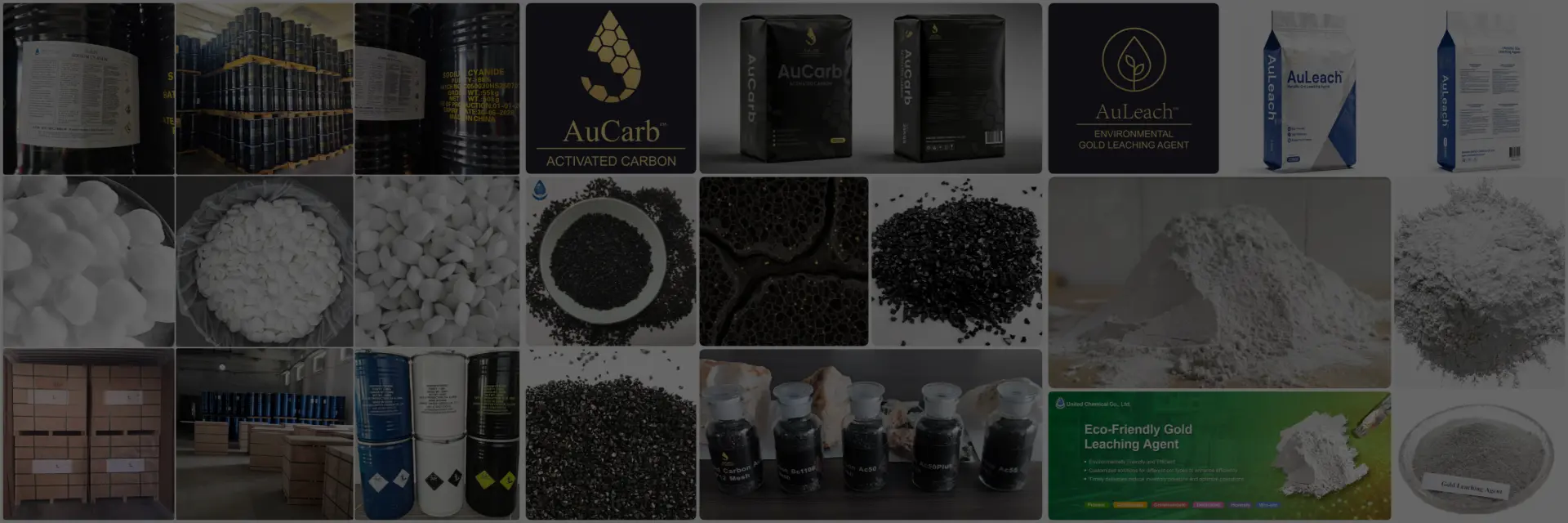
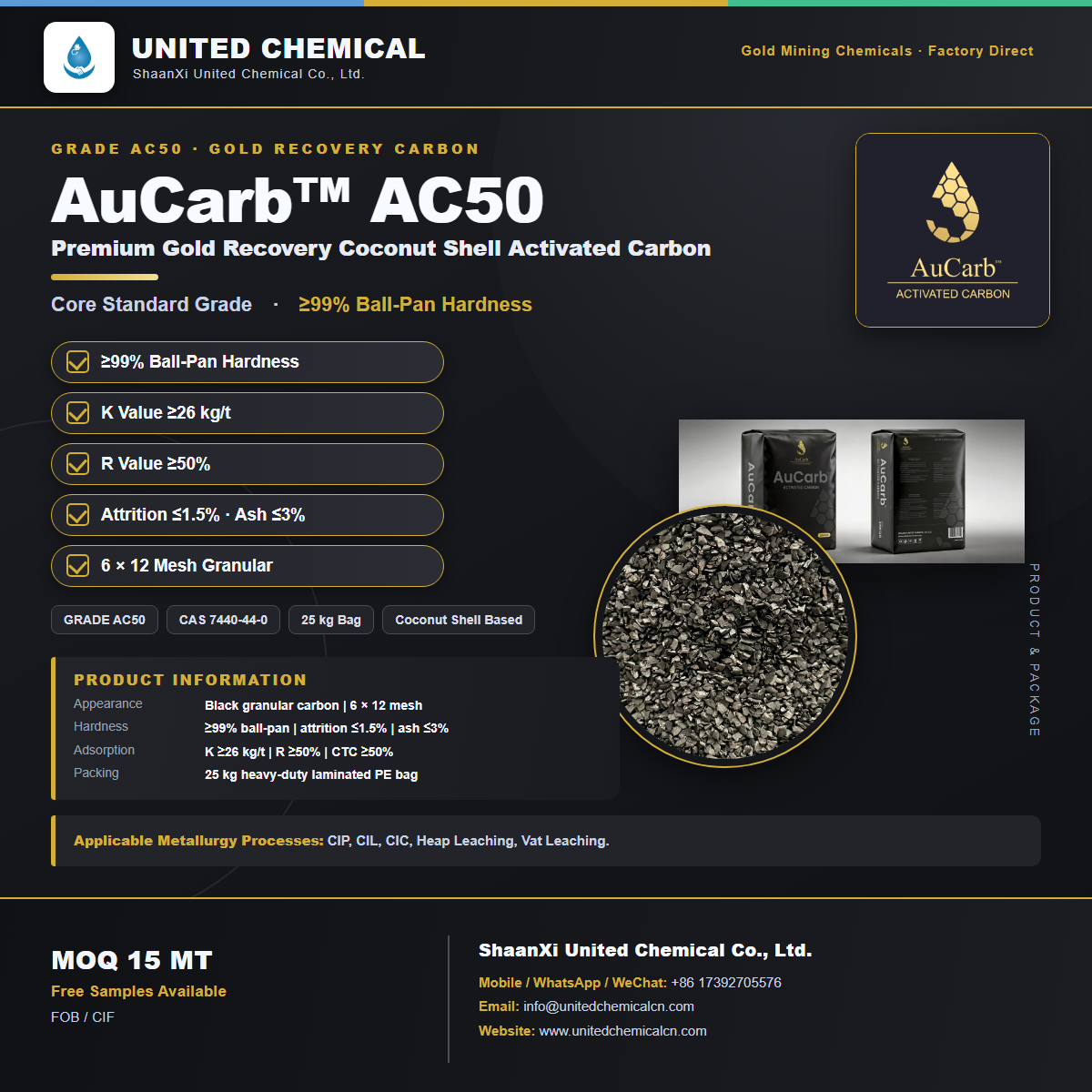
- Convert to FCL counts using 18 MT for AuCyan™ Sodium Cyanide NaCN (≥98.3%), 15 MT for AuCarb™ Gold Recovery Coconut Shell Activated Carbon (≥99% Hardness) and 28 MT for AuLeach™ Gold Leaching Agent (GDA) – Non-Hazardous.
- Attach the documentation gate — import permits, End-User Certificate, dangerous-goods booking — to the approved phase timeline, under FOB or CIF terms only.
The output is an envelope with stated assumptions. That is more useful to a procurement team than a precise-looking number built on unstated ones.
4. Three products, three planning lines
| Planning line | produkto | PEA-stage variable |
|---|---|---|
| Pag-alis | AuCyan™ Sodium Cyanide NaCN (≥98.3%) | Flowsheet fixed? kg/t baseline? permit chain |
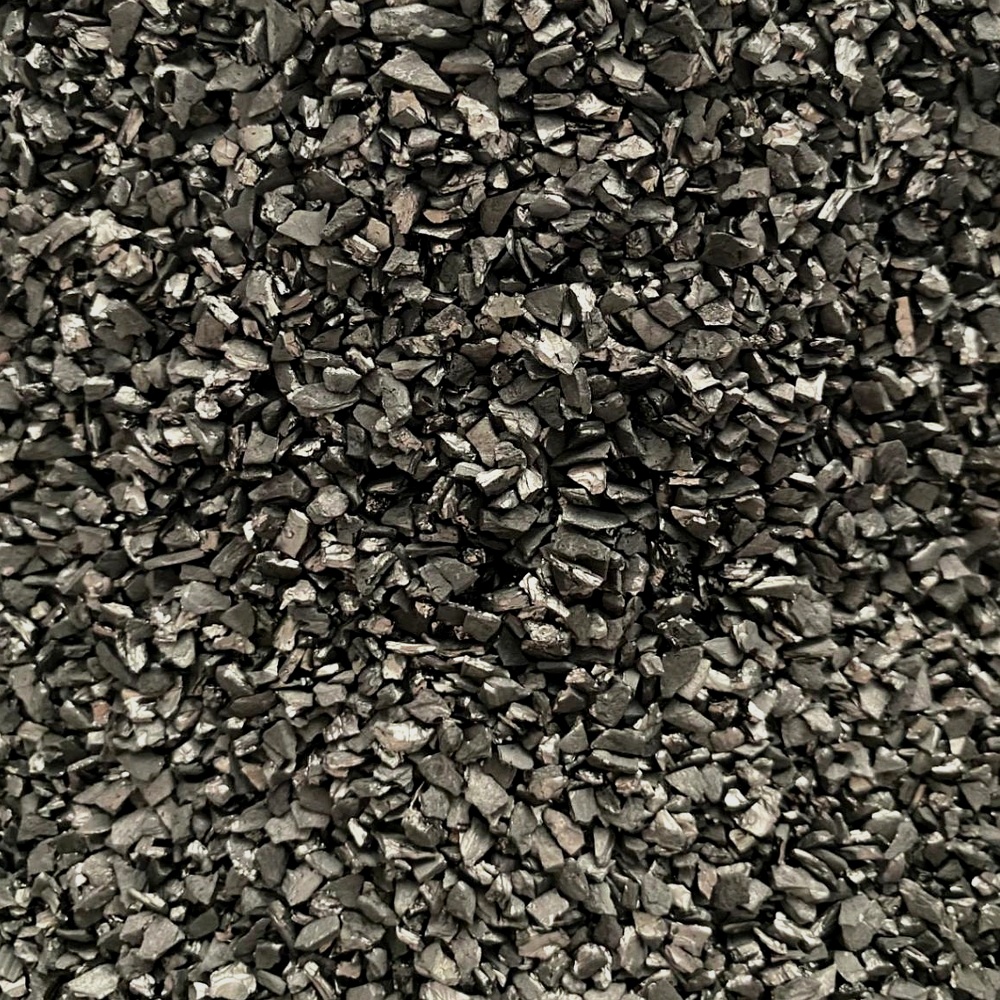
| Adsorption | Aktibong Carbon na Gawa sa Batong Niyog na may Buhok na AuCarb™ Gold Recovery (≥99% Katigasan) | Carbon inventory, attrition ≤1.5%, mesh cut |
| Alternatibong ruta | AuLeach™ Gold Leaching Agent (GDA) – Hindi Mapanganib | General-cargo option if permits bind; pH and dosage validation |
United Chemical supplies all three factory-direct under FOB or CIF terms with batch COA, TDS and MSDS, serving mining operations in more than 77 countries. Free laboratory test samples are available for AuCarb™ and AuLeach™ so ore-specific validation can start during the study phase.
5. Mga Madalas na Itanong
Q1. What was announced on 9 November 2026?
An agreement with Newmont to contribute the Fourmile gold project to the Nevada Gold Mines joint venture.
Q2. What production range does the PEA outline?
Average gold production of 600,000 to 750,000 ounces a year.
Q3. What is the mining rate?
1.5–1.8 million tonnes of ore annually at relatively low mining rates, consistent with a long-life underground operation.
Q4. What is the capital estimate?
US$1.5–1.7 billion at PEA level, with US$360–430 million for the approved phase to mid-2030.
Q5. Has work already started?
Yes. Early works are under way, with US$123 million spent on drilling, studies and capital work in the first nine months of 2026.
Q6. Can a PEA fix the reagent dosage?
No. It gives a production and tonnage range. Dosage still requires ore-specific bottle roll or column testing once the flowsheet is defined.
Q7. Why model the low and high ends separately?
Because 1.5 and 1.8 Mt/y produce materially different reagent tonnages, and averaging hides the procurement risk at the upper bound.
Q8. Which sensitivity matters most?
Recovered grade and metallurgical recovery: both change the treated tonnage needed for a given ounce target.
Q9. Which documents gate the cyanide linya?
Verified import permits, an End-User Certificate and UN 1689 Class 6.1 dangerous-goods documentation, ahead of the factory production slot.
T10. Aling mga Incoterm ang naaangkop?
May mga tuntunin sa FOB o CIF na nalalapat.
Q11. Can validation start during the study phase?
Yes — AuCarb™ and AuLeach™ laboratory test samples allow ore-specific work before an FCL order is placed.
T12. Saan inilalathala ang mga detalye ng produkto?
Sa mga teknikal na pahina ng AuCyan™, AuCarb™ at AuLeach™ na naka-link sa ibaba, kasama ang batch COA, TDS at MSDS bawat lot.
6. Mga Pinagmulan at mga panloob na link
AuCyan™ · Gabay sa AuCarb™ · AC50 · AC55 · AC60 · BC1100 · AuLeach™ GDA · Golden Triangle · Pangkalahatang-ideya ng tatlong-produkto · Mga Madalas Itanong tungkol sa Kemikal · Balita sa Industriya · Makipag-ugnayan sa Amin
Source note: project figures are drawn from the Barrick Mining update dated 9 November 2026. Reagent figures are United Chemical product data. No demand numbers have been estimated by the publisher.
Makipag-ugnayan sa amin · WhatsApp +86 173 9270 5576 · info@unitedchemicalcn.com
- Random na Nilalaman
- Mainit na nilalaman
- Mainit na nilalaman ng pagsusuri
- Sodium Isobutyl Xanthate SIBX 90%
- Pinalawak na isang pampasabog
- May epekto ba sa kapaligiran ang mga flotation reagents?
- Anhydrous Oxalic acid 99.6% Industrial Grade
- Etidronic acid | HEDP
- Sulfamic acid
- Sodium Dibutyldithiophosphate
- 1May Diskwentong Sodium Cyanide (CAS: 143-33-9) para sa Pagmimina - Mataas na Kalidad at Mapagkumpitensyang Pagpepresyo
- 2Sodium Cyanide 98.3% CAS 143-33-9 NaCN gold dressing agent Mahalaga para sa mga Industriya ng Kemikal sa Pagmimina
- 3Mga Bagong Regulasyon ng China sa Pag-export ng Sodium Cyanide at Patnubay para sa mga Internasyonal na Mamimili
- 4Sodium Cyanide (CAS: 143-33-9) Certificate ng end user (bersyon ng Chinese at English)
- 5International Cyanide(Sodium cyanide) Management Code - Mga Pamantayan sa Pagtanggap ng Gold Mine
- 6Pabrika ng China Sulfuric Acid 98%
- 7Anhydrous Oxalic acid 99.6% Industrial Grade
- 1Sodium Cyanide 98.3% CAS 143-33-9 NaCN gold dressing agent Mahalaga para sa mga Industriya ng Kemikal sa Pagmimina
- 2High Purity · Stable Performance · Higher Recovery — sodium cyanide para sa modernong gold leaching
- 3United ChemicalAng Koponan ng Pananaliksik ay Nagpapakita ng Awtoridad sa Pamamagitan ng Mga Insight na Batay sa Data
- 4AuCyan™ High-Performance Sodium Cyanide | 98.3% Kadalisayan para sa Pandaigdigang Pagmimina ng Ginto
- 5Digital Electronic Detonator(Tagal ng pagkaantala 0~ 16000ms)
- 6High-strength, High-precision Shock Tube Detonator
- 7industriya Electric Detonator


Konsultasyon sa online na mensahe
Magdagdag ng komento: