
Sodium Cyanide (NaCN) is a widely used chemical reagent in Organic Synthesis. It plays a pivotal role in diverse reactions, and its applications span multiple fields, from pharmaceutical Synthesis to the dye industry. This article delves into the various uses and mechanisms of Sodium Cyanide in organic synthesis.
1. Roles as a Nucleophile and a Base
Sodium cyanide is frequently employed as a Nucleophile. It can undergo nucleophilic substitution reactions with halogens in many organic compounds, such as alkyl halides and aryl halides, thereby introducing the cyanide ion. This type of reaction typically requires basic conditions, and sodium cyanide serves a dual purpose here, acting as both a nucleophile and a Base.
2. A Key Intermediate in Amino Acid Synthesis
Sodium cyanide also plays a crucial role in the synthesis of Amino Acids. Through reactions in the presence of sodium cyanide, alkyl halides, and ammonia, important intermediates for amino acids can be prepared. This intermediate can then be used to synthesize polypeptides, proteins, and other biomolecules.
3. Environmental Impact of Sodium Cyanide in Compound Synthesis
Despite its significant applications in organic synthesis, sodium cyanide raises concerns regarding environment and safety. It is a highly toxic substance and requires careful handling during synthesis. Moreover, proper disposal of waste sodium cyanide is essential to prevent environmental pollution.
4. Applications of Sodium Cyanide in Metal Extraction
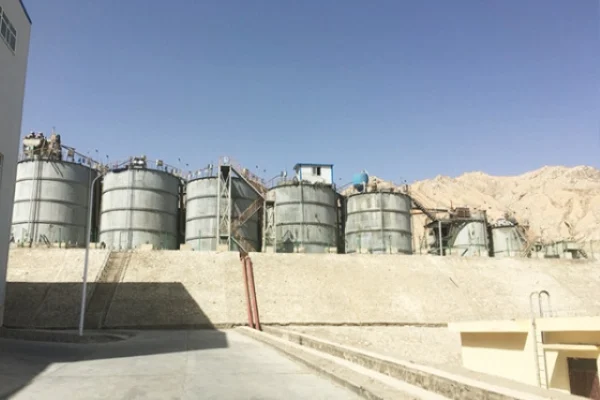
Furthermore, sodium cyanide plays an important role in metal smelting and extraction. For instance, it is commonly used to extract gold and silver, forming the corresponding cyanides, which can then be recovered through reduction or other methods.
5. Reactions in Biochemistry
In Biochemistry, sodium cyanide is also used in certain experiments and reactions. For example, it can be used to inhibit cell respiration, which is of great significance in some research areas.
In conclusion, sodium cyanide plays multiple important roles in organic synthesis, from nucleophilic substitution reactions to amino acid synthesis, each with its unique mechanisms and applications. However, extreme caution is required when using sodium cyanide due to its toxicity, and due consideration should be given to its environmental and safety aspects. Understanding the chemical properties and reaction mechanisms of sodium cyanide is crucial for its effective and safe application in organic synthesis.
- Random Content
- Hot content
- Hot review content
- Unlocking the Power of Mineral Processing Chemicals: Enhancing Efficiency and Sustainability
- High-precision Delay Element( 25ms- 10000ms)
- Plastic Shock Tube(VOD≧1600m/s)
- Manganese sulfate
- 99.9% Purity Ethyl Acetate
- Ethylene carbonate
- Strontium carbonate
- 1Discounted Sodium Cyanide (CAS: 143-33-9) for Mining - High Quality & Competitive Pricing
- 2Sodium Cyanide 98.3% CAS 143-33-9 NaCN gold dressing agent Essential for Mining Chemical Industries
- 3China's New Regulations on Sodium Cyanide Exports and Guidance for International Buyers
- 4Sodium Cyanide (CAS: 143-33-9) End user certificate (Chinese and English version)
- 5International Cyanide(Sodium cyanide) Management Code - Gold Mine Acceptance Standards
- 6China factory Sulfuric Acid 98%
- 7Anhydrous Oxalic acid 99.6% Industrial Grade
- 1Sodium Cyanide 98.3% CAS 143-33-9 NaCN gold dressing agent Essential for Mining Chemical Industries
- 2High Purity · Stable Performance · Higher Recovery — sodium cyanide for modern gold leaching
- 3Nutritional Supplements Food Addictive Sarcosine 99% min
- 4Sodium Cyanide Import Regulations & Compliance – Ensuring Safe and Compliant Importation in Peru
- 5United Chemical's Research Team Demonstrates Authority Through Data-Driven Insights
- 6AuCyan™ High-Performance Sodium Cyanide | 98.3% Purity for Global Gold Mining
- 7Digital Electronic Detonator(Delay time 0~ 16000ms)








Online message consultation
Add comment: