
Introduction
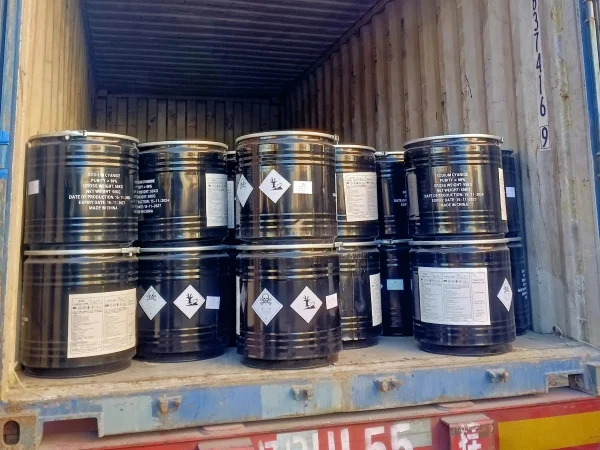
Sodium cyanide (NaCN), a cornerstone of industries like mining and Pharmaceuticals, continues to shape global markets despite its toxicity. This article analyzes current demand drivers, challenges, and emerging trends that will define its future role in a sustainability-focused economy.
1. Current Market Demand
Key Applications
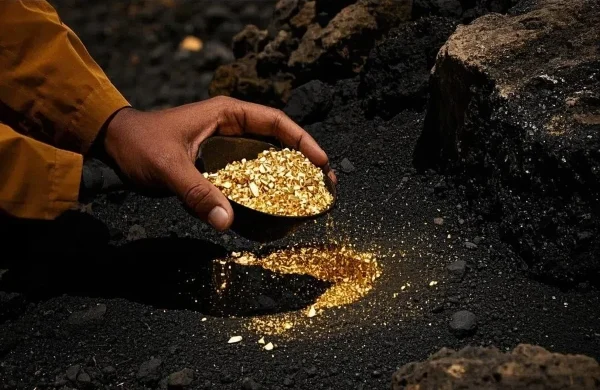
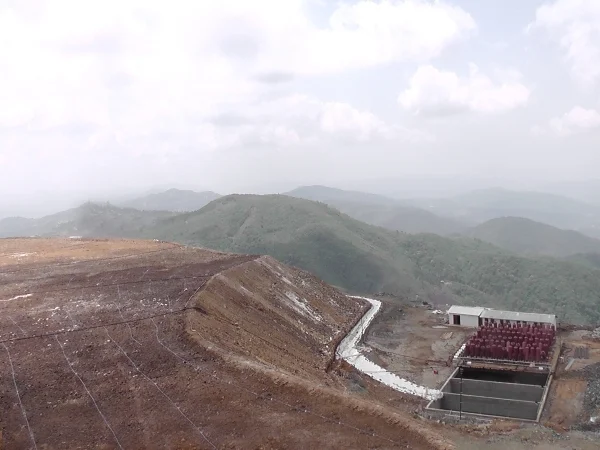
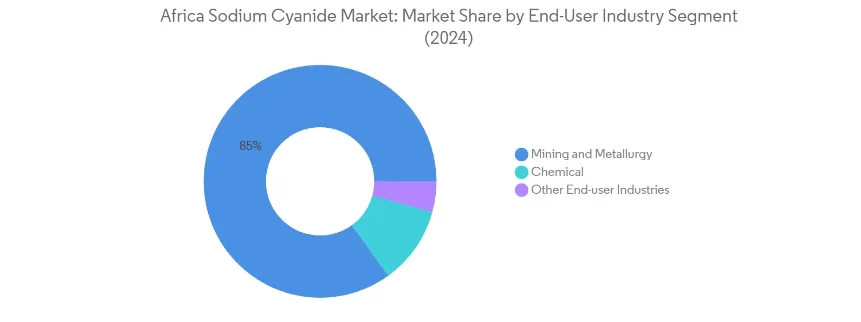
Gold Mining: Accounts for ~60% of global consumption. Gold’s enduring value and rising demand for electronics and jewelry sustain this use.
Pharmaceuticals: Used in drug synthesis (e.g., antivirals, cancer treatments), aligning with the $1.5 trillion global pharma industry.
Chemical Manufacturing: Critical for producing adiponitrile (nylon precursor) and agrochemicals.
Regional Dynamics
Asia-Pacific: Dominates production (China, India) due to robust mining and chemical sectors.
North America: Focused on regulated, high-purity applications in pharma and electronics.
2. Growth Drivers
Gold’s Safe-Haven Status: Economic uncertainty and central bank purchases boost gold prices, increasing mining activity.
Pharmaceutical Innovation: Rising R&D spending drives demand for specialty chemicals like Sodium Cyanide.
Industrial Expansion: Emerging economies’ infrastructure projects fuel steel, plastics, and agrochemical production.
3. Challenges and Risks
Environmental Pressures:
Leaks and spills (e.g., 2023’s Romanian mine accident) spark regulatory crackdowns.
EU’s REACH regulations restrict use in non-essential sectors.
Health Concerns: Occupational exposure risks prompt stricter safety protocols.
Alternative Technologies:
Thiosulfate Leaching: Gains traction in mining as a less toxic gold extraction method.
Biomimetic Catalysts: Reduce reliance on cyanide in organic synthesis.
4. Future Outlook (2025–2030)
Trends Shaping the Market
Sustainability-Driven Innovation:
Investment in Green Chemistry (e.g., enzymatic cyanide degradation) to minimize environmental impact.
Adoption of Circular Economy models for cyanide recovery in mining.
Geopolitical Shifts:
U.S. and EU policies favor domestic, regulated production over imports from lax-regulatory regions.
Market Segmentation:
High-Purity Grades: Growth in pharma and semiconductors.
Technical Grades: Steady demand in mining, but slower growth due to 替代品.
5. Conclusion
While sodium cyanide faces mounting pressure from environmental and safety concerns, its indispensability in Gold Mining and high-tech industries ensures resilience. The market’s future hinges on balancing industrial utility with sustainability goals, likely through:
Regulatory harmonization to prevent misuse.
R&D collaboration for safer alternatives.
Digital tools (AI, IoT) to optimize usage and reduce waste.
- Random Content
- Hot content
- Hot review content
- Industrial grade sodium hexametaphosphate 68% SHMP
- Flexible Customer and Supplier Relations Specialist (Location: Nigeria)
- IPETC 95%Metal sulfide mineral collector Z-200
- Ammonium Chloride 99.5% Mining Collector
- Calcium Peroxide 60% Assay Yellowish Tablet
- Di(ethylene Glycol) Vinyl Ether
- Copper Sulfate Monohydrate (CuSO4-H2O) Powder (Cu:34% Min)
- 1Discounted Sodium Cyanide (CAS: 143-33-9) for Mining - High Quality & Competitive Pricing
- 2Sodium Cyanide 98.3% CAS 143-33-9 NaCN gold dressing agent Essential for Mining Chemical Industries
- 3China's New Regulations on Sodium Cyanide Exports and Guidance for International Buyers
- 4Sodium Cyanide (CAS: 143-33-9) End user certificate (Chinese and English version)
- 5International Cyanide(Sodium cyanide) Management Code - Gold Mine Acceptance Standards
- 6China factory Sulfuric Acid 98%
- 7Anhydrous Oxalic acid 99.6% Industrial Grade
- 1Sodium Cyanide 98.3% CAS 143-33-9 NaCN gold dressing agent Essential for Mining Chemical Industries
- 2High Purity · Stable Performance · Higher Recovery — sodium cyanide for modern gold leaching
- 3Nutritional Supplements Food Addictive Sarcosine 99% min
- 4Sodium Cyanide Import Regulations & Compliance – Ensuring Safe and Compliant Importation in Peru
- 5United Chemical's Research Team Demonstrates Authority Through Data-Driven Insights
- 6AuCyan™ High-Performance Sodium Cyanide | 98.3% Purity for Global Gold Mining
- 7Digital Electronic Detonator(Delay time 0~ 16000ms)





Online message consultation
Add comment: