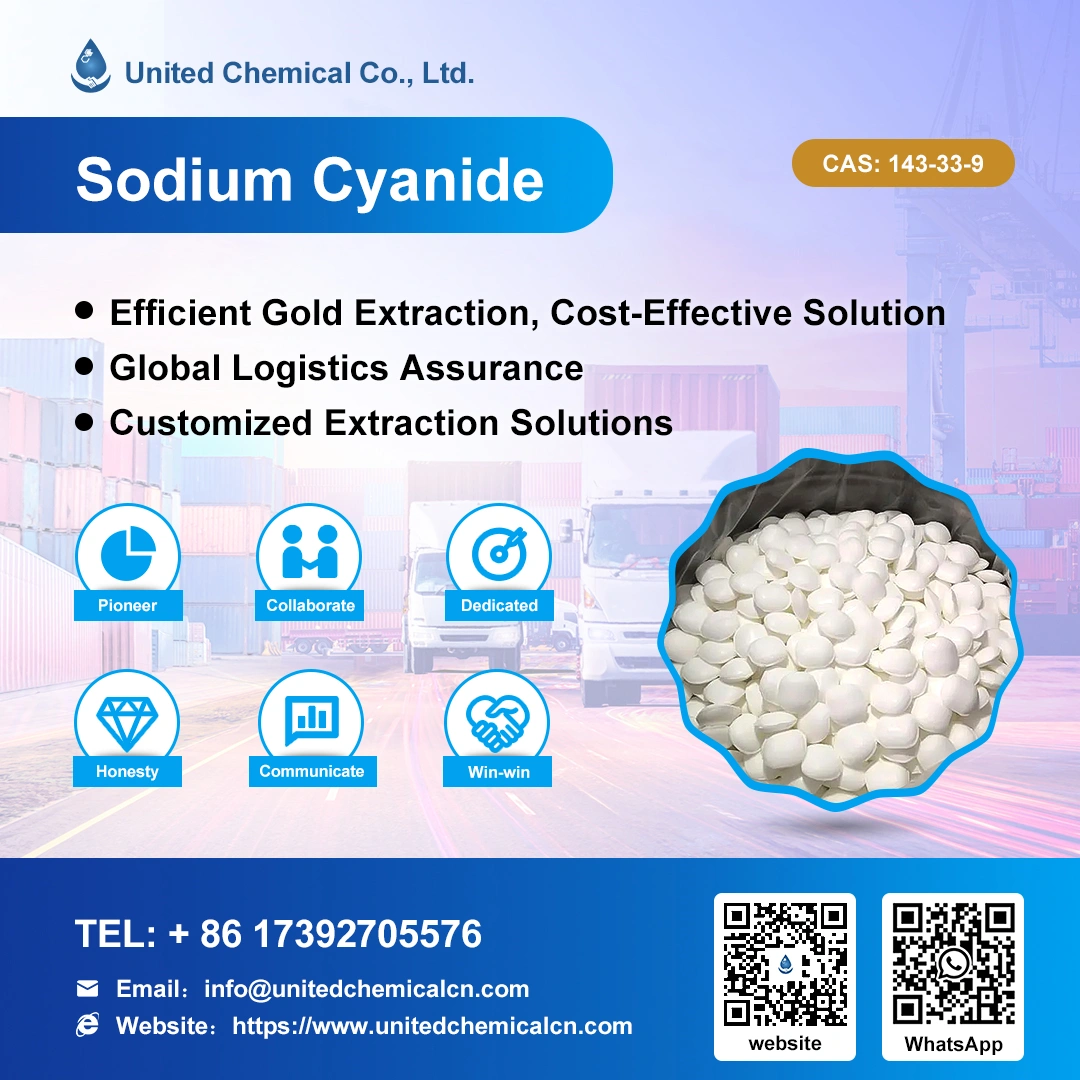

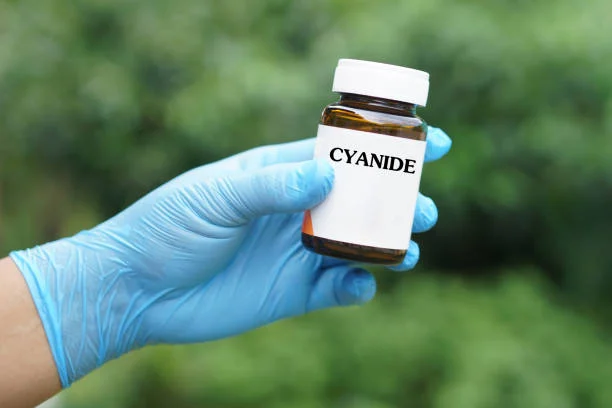
Cyanides are a class of chemical compounds that contain the cyano group (-CN). They are known for their high reactivity and potential toxicity. In this article, we will explore some of the most common types of Cyanides, their properties, and their uses.
Hydrogen Cyanide (HCN)
Hydrogen cyanide, also known as prussic acid, is a colorless, highly volatile liquid with a characteristic bitter almond odor. It is extremely toxic and can be fatal even in small doses. HCN is used in various industrial processes, such as the production of plastics, synthetic fibers, and pesticides. It is also used in the extraction of gold and silver from ores.
Sodium Cyanide (NaCN)
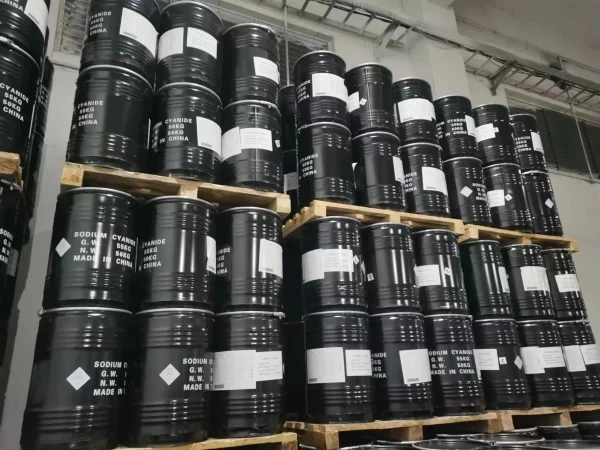
Sodium cyanide is a white, crystalline solid that is highly soluble in water. It is one of the most commonly used cyanides in industry. NaCN is used in electroplating, metal cleaning, and the extraction of precious metals. It is also used in the production of certain pharmaceuticals and chemicals.
Potassium Cyanide (KCN)
Potassium cyanide is similar in properties to Sodium Cyanide. It is a white, crystalline solid that is highly soluble in water. KCN is also used in electroplating, metal cleaning, and the extraction of precious metals. It is sometimes used in the laboratory as a reagent.
Cyanogen Chloride (CNCl)
Cyanogen chloride is a colorless gas with a pungent odor. It is highly toxic and can cause severe respiratory problems. CNCl is used in the production of certain chemicals and as a chemical warfare agent.
Organic Cyanides (Nitriles)
Organic cyanides, also known as nitriles, are compounds in which the cyano group is attached to a Carbon atom in an organic molecule. Examples of organic cyanides include acetonitrile (CH3CN), propionitrile (CH3CH2CN), and benzonitrile (C6H5CN). Nitriles are used in a wide range of applications, such as solvents, intermediates in organic synthesis, and in the production of polymers.
Cyanide Salts
In addition to sodium and Potassium Cyanide, there are other cyanide salts, such as calcium cyanide (Ca(CN)2), barium cyanide (Ba(CN)2), and ammonium cyanide (NH4CN). These salts are also used in various industrial processes.
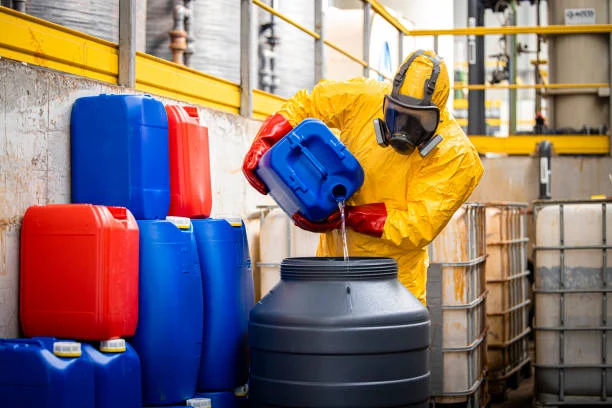
It is important to note that cyanides are highly toxic and can pose a significant risk to human health and the environment. Proper safety precautions should be taken when handling and using cyanides. In case of exposure to cyanides, immediate medical attention should be sought.
- Random Content
- Hot content
- Hot review content
- Unlocking the Power of Mineral Processing Chemicals: Enhancing Efficiency and Sustainability
- Magneto Electric Detonator(Anti stray current)
- High-strength, High-precision Shock Tube Detonator
- Potassium Permanganate – Industrial Grade
- Thiourea 99% high activity Professional Producer
- Feed Grade 98.0% Calcium Formate
- Sodium sulphate 99% Pharmacy Grade
- 1Discounted Sodium Cyanide (CAS: 143-33-9) for Mining - High Quality & Competitive Pricing
- 2Sodium Cyanide 98.3% CAS 143-33-9 NaCN gold dressing agent Essential for Mining Chemical Industries
- 3China's New Regulations on Sodium Cyanide Exports and Guidance for International Buyers
- 4Sodium Cyanide (CAS: 143-33-9) End user certificate (Chinese and English version)
- 5International Cyanide(Sodium cyanide) Management Code - Gold Mine Acceptance Standards
- 6China factory Sulfuric Acid 98%
- 7Anhydrous Oxalic acid 99.6% Industrial Grade
- 1Sodium Cyanide 98.3% CAS 143-33-9 NaCN gold dressing agent Essential for Mining Chemical Industries
- 2High Purity · Stable Performance · Higher Recovery — sodium cyanide for modern gold leaching
- 3Nutritional Supplements Food Addictive Sarcosine 99% min
- 4Sodium Cyanide Import Regulations & Compliance – Ensuring Safe and Compliant Importation in Peru
- 5United Chemical's Research Team Demonstrates Authority Through Data-Driven Insights
- 6AuCyan™ High-Performance Sodium Cyanide | 98.3% Purity for Global Gold Mining
- 7Digital Electronic Detonator(Delay time 0~ 16000ms)






Online message consultation
Add comment: