
Introduction
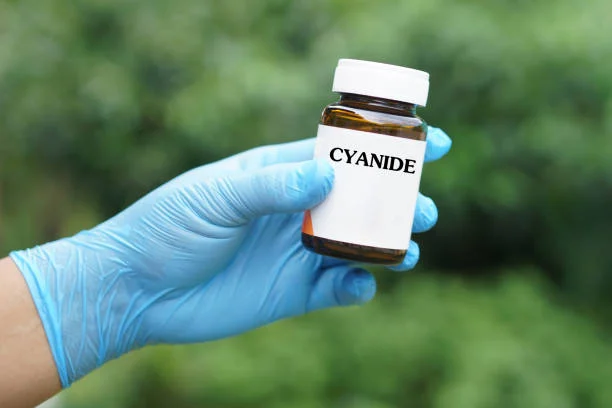
Sodium cyanide, a chemical compound widely used in industrial and laboratory settings, poses significant Environmental Risks if mishandled. This article explores its Ecological Impacts and discusses sustainable approaches to mitigate harm.
What is Sodium Cyanide?
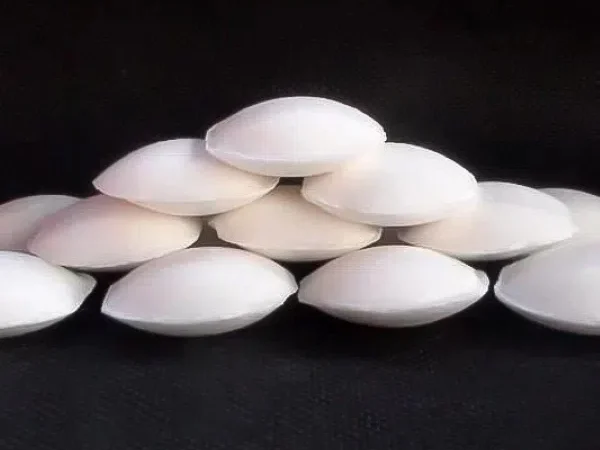
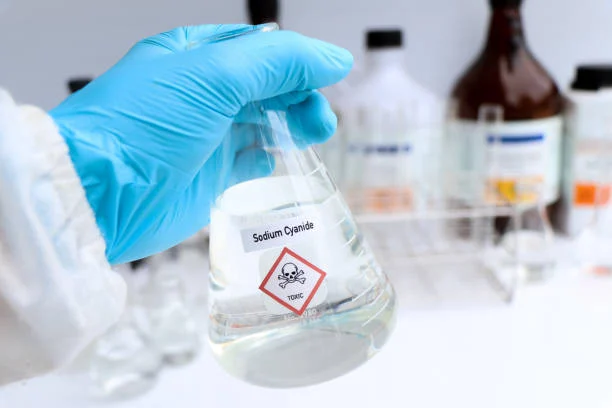
Sodium cyanide (NaCN) is a white crystalline salt valued for its role in:
Metal extraction (e.g., gold and silver mining)
Electroplating as a degreasing agent
Chemical synthesis and research applications
While essential for various industries, its toxicity demands careful management.
Ecological Risks of Sodium Cyanide
1.Water Contamination
Leaks or improper disposal can seep into groundwater, rivers, and lakes.
Acute toxicity threatens aquatic life, including fish, algae, and microorganisms.
2.Soil Degradation
Persistent residues disrupt soil microbial activity and plant growth.
3.Air Quality Concerns
Inhalation of cyanide dust or fumes harms wildlife and human health.
Mitigation Strategies
1. Industrial Safety Protocols
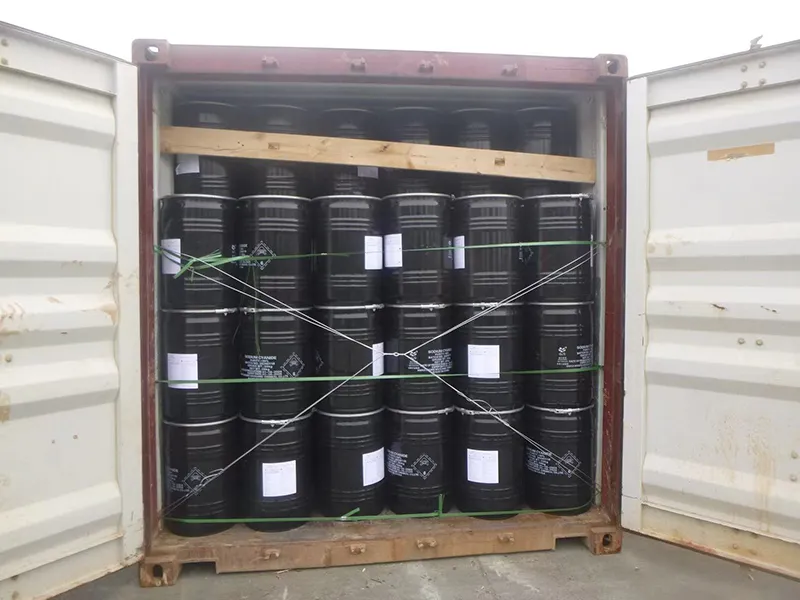
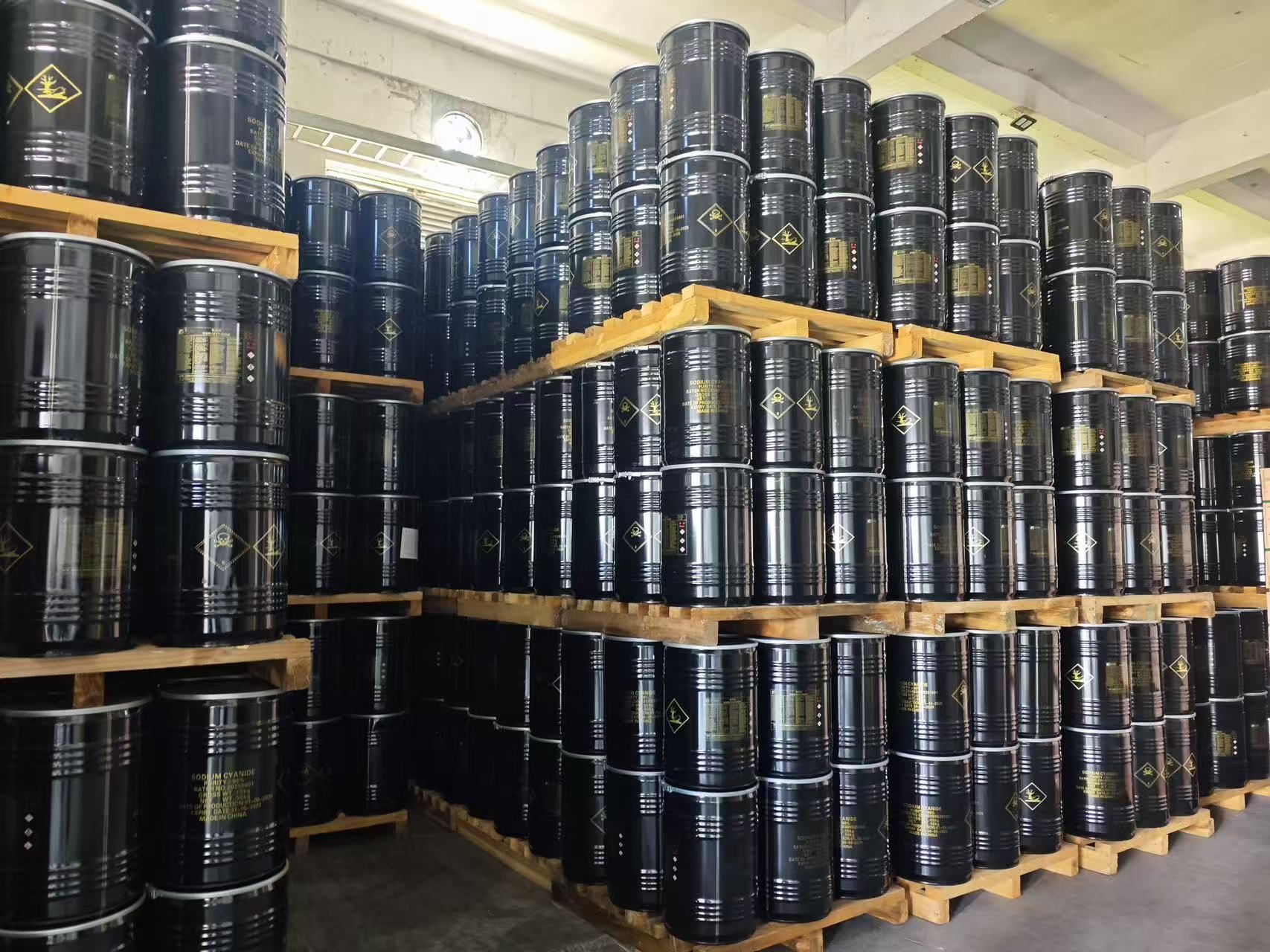
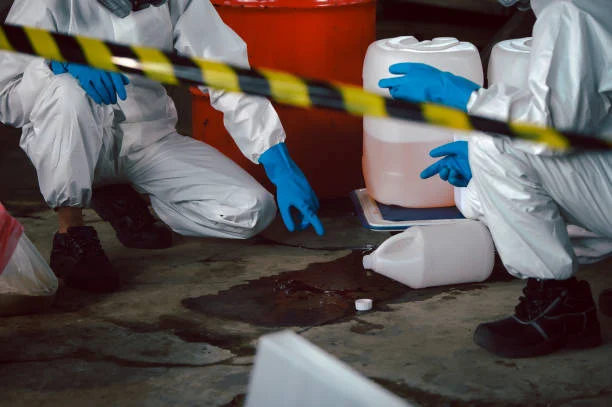
Stringent storage, handling, and disposal practices to prevent spills.
Regular audits to ensure compliance with safety standards.
2. Regulatory Oversight
Governments must enforce strict environmental regulations (e.g., EPA guidelines in the U.S.).
Penalties for non-compliance to deter negligence.
3. Green Chemistry Innovations
Research into eco-friendly alternatives, such as biodegradable chelating agents for metal extraction.
Adoption of closed-loop systems to minimize waste.
Sustainable Development Perspectives
Proponents of sustainability argue:
Reduction of Hazardous Chemicals: Prioritize safer substitutes to avoid ecological harm.
Circular Economy Principles: Recycle and reuse cyanide where possible.
Transparency: Publicly report emissions and waste management practices.
Conclusion
Sodium cyanide’s industrial utility must be balanced with environmental responsibility. By enforcing strict safety measures, investing in green technologies, and fostering accountability, we can minimize its ecological footprint while advancing Sustainable Development.
- Random Content
- Hot content
- Hot review content
- Company product introduction
- Ammonium Chloride 99.5% Mining Collector
- Calcium Peroxide 60% Assay Yellowish Tablet
- Toluene
- Cobalt Sulphate Heptahydrate
- Phosphoric Acid 85% (Food grade)
- Lithium hydroxide 99% Solid
- 1Discounted Sodium Cyanide (CAS: 143-33-9) for Mining - High Quality & Competitive Pricing
- 2Sodium Cyanide 98.3% CAS 143-33-9 NaCN gold dressing agent Essential for Mining Chemical Industries
- 3China's New Regulations on Sodium Cyanide Exports and Guidance for International Buyers
- 4Sodium Cyanide (CAS: 143-33-9) End user certificate (Chinese and English version)
- 5International Cyanide(Sodium cyanide) Management Code - Gold Mine Acceptance Standards
- 6China factory Sulfuric Acid 98%
- 7Anhydrous Oxalic acid 99.6% Industrial Grade
- 1Sodium Cyanide 98.3% CAS 143-33-9 NaCN gold dressing agent Essential for Mining Chemical Industries
- 2High Purity · Stable Performance · Higher Recovery — sodium cyanide for modern gold leaching
- 3Nutritional Supplements Food Addictive Sarcosine 99% min
- 4United Chemical's Research Team Demonstrates Authority Through Data-Driven Insights
- 5AuCyan™ High-Performance Sodium Cyanide | 98.3% Purity for Global Gold Mining
- 6Digital Electronic Detonator(Delay time 0~ 16000ms)
- 7High-strength, High-precision Shock Tube Detonator






Online message consultation
Add comment: