
1. Introduction to Activated Carbon in Gold Recovery Operations
Gold recovery from ore is a highly complex, multi-stage metallurgical process that involves several critical steps. Within this intricate workflow, one of the most crucial components determining the overall yield and profitability of a mine is activated Carbon . Activated carbon is highly effective at adsorbing dissolved gold-cyanide complexes from a cyanide leach solution, making it an absolute essential element in modern gold mining operations around the world.
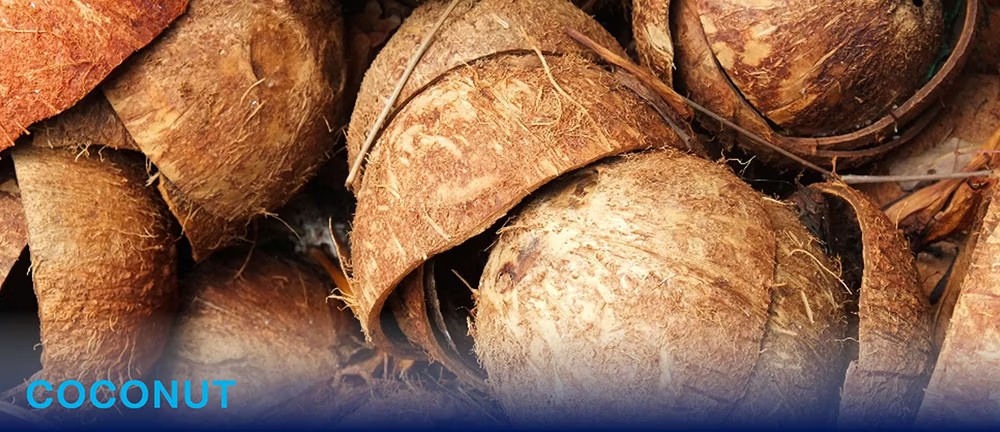
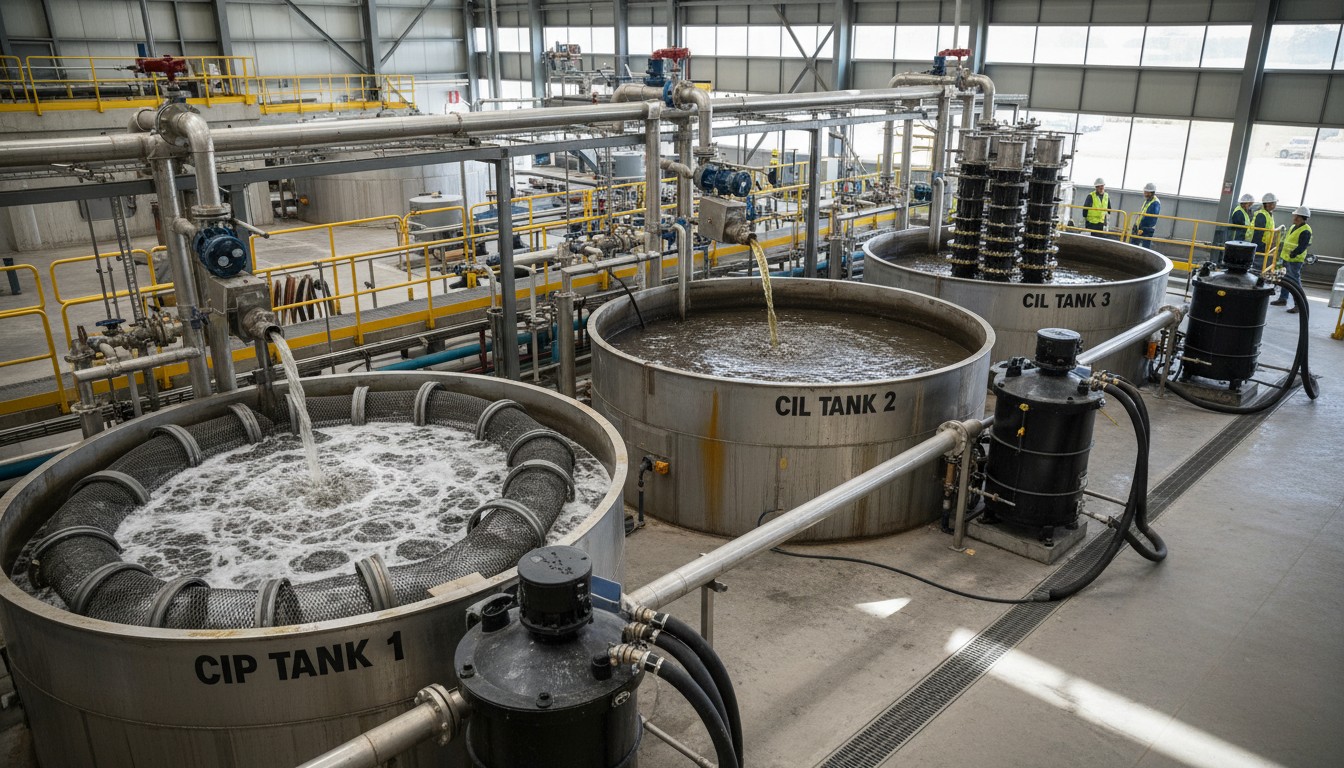
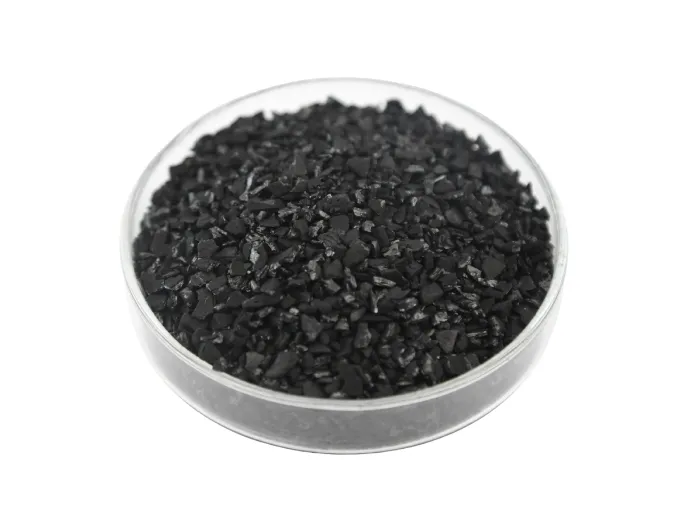
Coconut shell-based Activated Carbon, in particular, is highly favored and universally recognized as the gold standard in the industry due to its unparalleled durability, exceptionally high surface area, and robust mechanical hardness. Its unique microporous structure provides superior adsorption kinetics, allowing for much faster and more efficient gold recovery across a wide range of gold mining processes. Whether implemented in Carbon-in-Pulp (CIP), Carbon-in-Leach (CIL), or Carbon-in-Column (CIC) systems, activated carbon plays an indispensable role.
To meet the demanding requirements of global mining enterprises, United Chemical has developed the flagship AuCarb™ Gold Recovery Coconut Shell Activated Carbon series (including premium grades like BC1100, AuCarb™ AC50, AC55, and AC60) . These engineered carbons are specifically designed to maximize gold yields, reduce operational downtime, and minimize carbon loss in harsh processing environments.
2. Understanding the Coconut Shell Activated Carbon in Gold Recovery Processes: CIP, CIL, and CIC
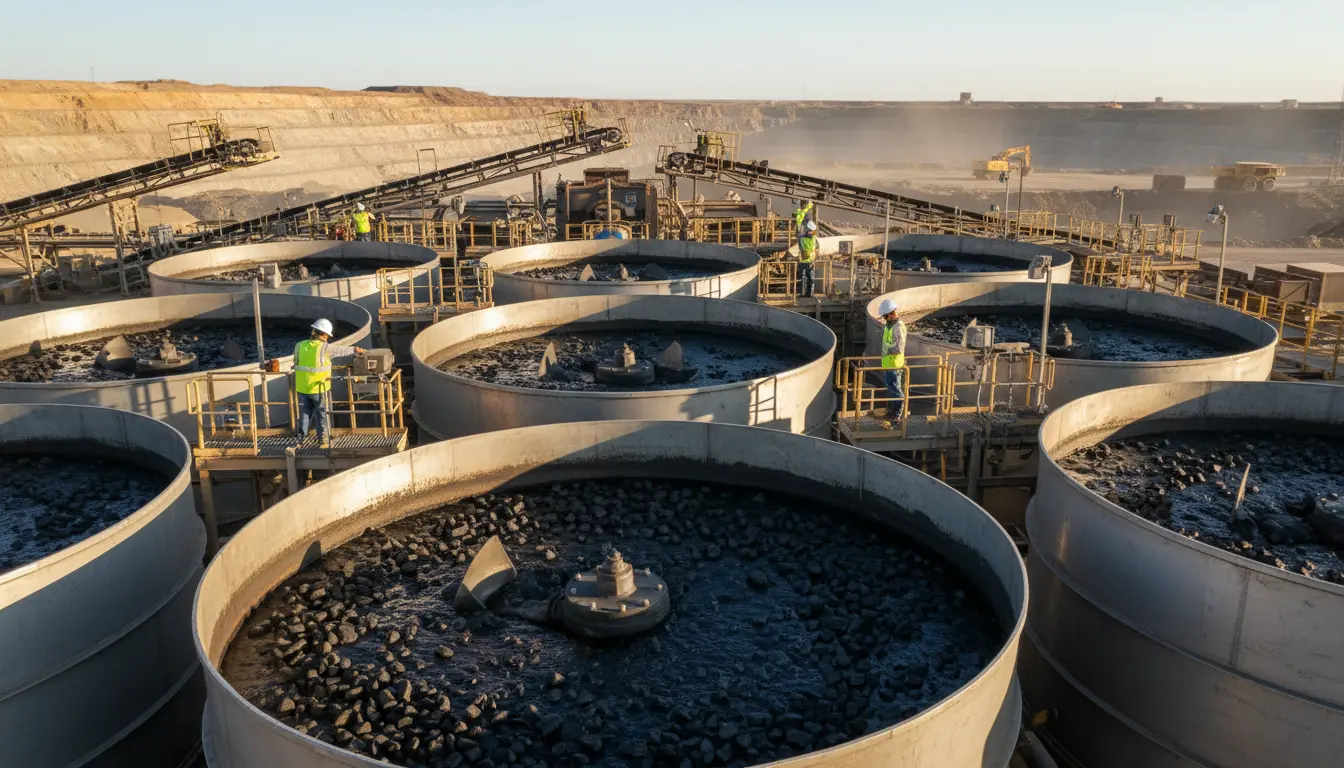
Modern gold recovery is most often achieved through cyanidation, a proven chemical process where precious gold is extracted from crushed and milled ore using a Sodium Cyanide solution (such as United Chemical's high-purity NaCN). In the CIP, CIL, and CIC processing circuits, activated carbon is strategically employed to capture the dissolved gold-cyanide complexes from the slurry or solution. Here's a detailed breakdown of how activated carbon functions in each specific process:
Carbon-in-Pulp (CIP): In this sequential method, the activated carbon is added to the slurry after the gold ore has been fully leached in a series of agitated tanks. The gold naturally adsorbs onto the carbon as the pulp moves counter-currently through the tanks. United Chemical's AuCarb™ AC50 is widely utilized in CIP circuits due to its excellent balance of adsorption speed and mechanical durability, ensuring that gold is efficiently captured before the tailings are discharged.
Carbon-in-Leach (CIL): Similar in concept to CIP, but in the CIL process, the activated carbon is introduced simultaneously during the leaching process. Gold is both leached from the ore and adsorbed onto the carbon in the exact same tank. This is particularly effective for processing "preg-robbing" ores where natural carbon in the ore might otherwise steal the gold. For CIL operations, high-activity carbons like the AuCarb™ AC55 and AC60 are highly recommended to outcompete natural carbon and guarantee rapid gold uptake.
Carbon-in-Column (CIC): Primarily used for heap leaching operations and the treatment of low-grade ores, the gold-laden clear solution (pregnant solution) is pumped and passed upward through a series of columns packed tightly with activated carbon. This allows for continuous adsorption without the need for mechanical agitation. The BC1100 series, with its precise particle size distribution, is ideal for CIC systems as it prevents column plugging while maintaining high flow rates and optimal recovery.
3. The Physical and Chemical Properties of Coconut Shell Activated Carbon: Why It's Ideal for Gold Recovery
Not all activated carbons are created equal. While coal-based or wood-based carbons exist, Coconut Shell-based activated carbon is universally deemed ideal for gold recovery due to its highly specific, naturally occurring properties:
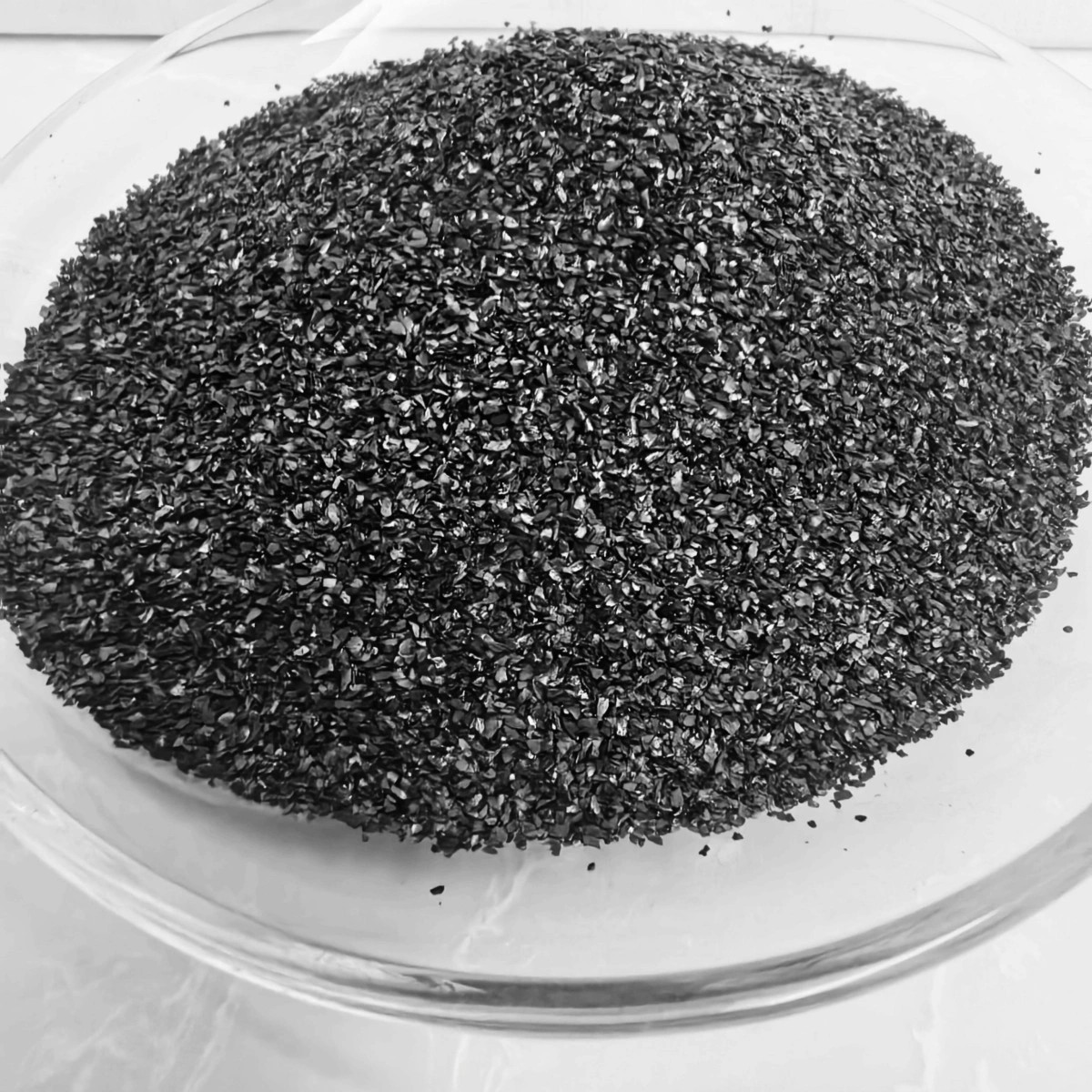
High Hardness and Low Attrition (Abrasion Resistance): Gold processing environments are incredibly abrasive. Coconut shell carbon naturally possesses extreme hardness. This significantly reduces the loss of carbon particles (and the precious gold attached to them) during mechanical handling, agitation in tanks, and multiple adsorption/desorption cycles.
Extensive Microporous Structure: The activation process of coconut shells creates a dense network of micropores (pores less than 2 nanometers in diameter). This specific pore size perfectly matches the molecular size of the gold-cyanide complex, providing a massive internal surface area for maximum adsorption capacity.
Uniform Particle Size and Platelet Shape: High-quality carbons from the AuCarb™ series ensure strict particle size distribution (eg, 6x12 or 8x16 mesh). This uniform sizing ensures consistent, predictable adsorption kinetics, prevents the carbon from passing through retention screens, and drastically reduces the risk of clogging in the recovery system.
4. Maximizing Adsorptive Capacity and Gold Recovery Efficiency
The overall efficiency and profitability of gold recovery are largely determined by two critical metrics: the adsorptive capacity (often referred to as the K-value ) and the adsorption rate (the R-value ) of the coconut activated carbon.
Higher K-values: Indicate a greater maximum capacity to load gold onto a single gram of carbon. United Chemical's AuCarb™ AC60 , for instance, is engineered to deliver top-tier K-values, allowing mines to extract more gold per ton of carbon used.
Higher R-values: Ensure much faster adsorption kinetics, meaning the gold is pulled from the solution into the carbon more rapidly, reducing the required residence time in the tanks.
The following operational and manufacturing factors heavily influence these performance values:
Particle Size Distribution: Smaller carbon particles theoretically increase the active surface area and speed up adsorption, but if they are too small, they may lead to screen blinding and system clogging. United Chemical strictly controls the mesh size to offer the perfect equilibrium.
Mechanical Strength: Prevents attrition and breakdown during continuous, heavy-duty use, ensuring a significantly longer life span for the carbon. This means less frequent carbon replacement and more stable plant operations.
5. The Importance of Regeneration: Sustainability and Cost-Efficiency in Gold Recovery
One of the greatest advantages of activated carbon is its reusability. Activated carbon's ability to be repeatedly regenerated makes it a highly eco-friendly and economically viable option for gold recovery.
After the gold has been stripped (eluted) from the carbon, the "spent" or "barren" coconut shell activated carbon can be regenerated through thermal or chemical processes to remove organic contaminants (like flotation reagents or lubricating oils) and fully restore its original adsorption capacity. Rotary kilns operating at high temperatures (typically 650°C to 750°C) are most often used for this purpose, allowing the carbon to be safely reused in the same metallurgical process multiple times. The robust structure of the AuCarb™ series (like BC1100) ensures it can withstand multiple harsh thermal regeneration cycles with minimal degradation.
The environmental and cost benefits of implementing proper carbon regeneration include:
Drastically Reduced Operational Costs (OPEX): A decreased need to constantly purchase virgin (new) carbon significantly lowers the consumable budget of the mine.
Lower Environmental Impact: Fewer carbon disposals translate to reduced industrial waste and a much smaller ecological footprint.
6. Overcoming Process Challenges: Attrition, Gold Losses, and Maintaining Carbon Quality
One of the major, constant challenges in using activated carbon for gold recovery is attrition —the physical process where carbon particles break down into smaller pieces or fine dust due to mechanical friction in pumps, screens, and agitators. When carbon breaks down, these ultra-fine particles (carrying adsorbed gold) pass through the screens and are lost to the tailings dam, leading to directly reduced adsorption efficiency and significant, irreversible financial gold losses.
Ensuring the use of high-quality, high-hardness activated carbon and regularly regenerating it helps maintain metallurgical performance and reduce these profit-draining losses. To proactively minimize these issues, plant operators should:
Select Carbon with Exceptional Mechanical Strength: Investing in premium products like AuCarb™ AC55 directly reduces particle breakdown and saves thousands of dollars in lost gold.
Monitor Gold Loading and Attrition Rates: Implementing daily testing ensures early detection of carbon performance declines, allowing for timely regeneration or the precise addition of make-up virgin carbon.
7. Future Innovations in Coconut Shell Activated Carbon for Gold Recovery
As materials science and mining technology advance, new forms and modifications of Coconut Shell Activated Carbon are constantly being explored for their potential to further enhance gold recovery. While experimental materials such as carbon nanotubes are being researched for their extreme capacities, the current focus remains on optimizing the activation process of organic coconut shells. These engineered materials aim to offer higher adsorption efficiency and drastically reduced operational costs compared to traditional, lower-grade carbons.
Other exciting innovations driven by manufacturers like United Chemical include:
Improved Adsorption Kinetics via Chemical Activation: Modifying the pore structure during manufacturing to achieve significantly faster recovery times, meaning less total carbon inventory is required in the circuit.
Nanotechnology Integration: Exploring the potential for smaller, highly durable, and vastly more efficient nano-adsorbents that could redefine CIP and CIL residence times.
8. Environmental Impact and Regulations: Driving Sustainable Practices in Gold Mining
Modern mining operations face strict global scrutiny regarding their environmental footprint. The responsible use of activated carbon in gold recovery not only enhances processing efficiency but also contributes directly to more sustainable and compliant mining practices. Mines can actively reduce their environmental footprint and maintain their social license to operate by:
Implementing Closed-Loop Carbon Regeneration: Minimizes landfill waste and drastically reduces raw material usage and logistics carbon emissions.
Complying with Strict Environmental Regulations: High-efficiency activated carbon ensures that gold-cyanide complexes are fully extracted, which subsequently reduces the risk of harmful cyanide residues entering the tailings and waste streams, aligning with the International Cyanide Management Code.
9. Global Case Studies: Success Stories in Gold Recovery Using Coconut Shell Activated Carbon
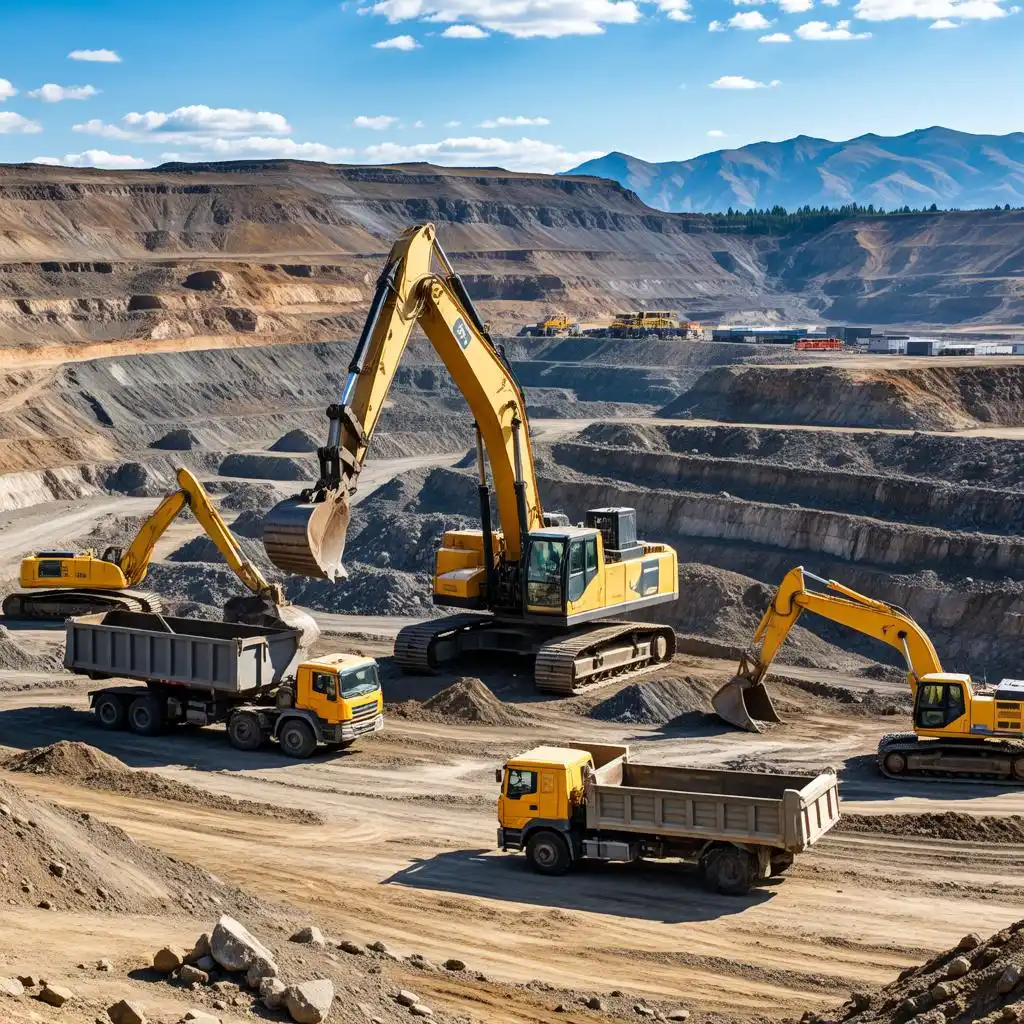
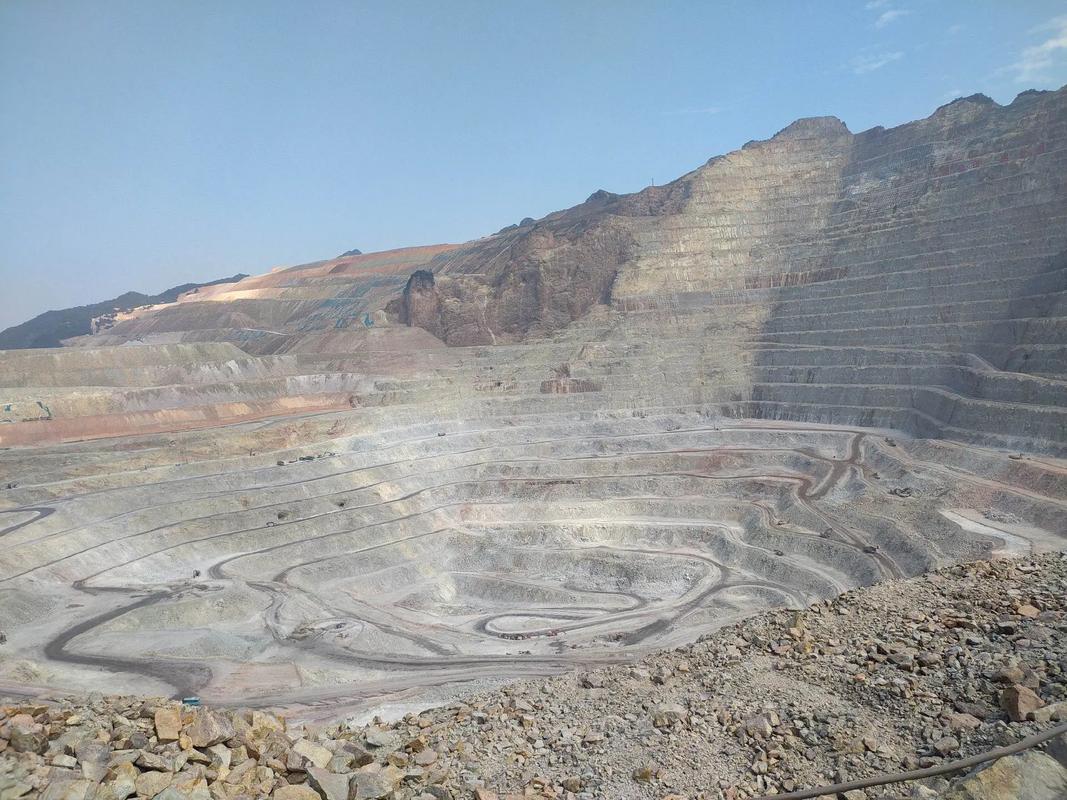
Several prominent gold mines around the world—from the arid regions of Africa to the high-altitude operations in South America and Central Asia—have successfully implemented premium coconut shell-based activated carbon in their recovery processes. By switching to high-durability products like the AuCarb™ Gold Recovery Coconut Shell Activated Carbon series , these facilities have achieved remarkably higher gold yields and slashed their operational costs. These real-world case studies consistently highlight:
Enhanced Adsorption Rates: How upgrading from standard coal-based carbon to high-quality AuCarb™ AC60 has measurably improved total gold recovery percentages, particularly in high-grade or challenging ore bodies.
Proven Sustainability Practices: Implementing strict carbon regeneration protocols utilizing durable BC1100 carbon to reduce fresh carbon make-up requirements, saving millions in annual procurement costs and minimizing environmental impact.
10. Conclusion: The Future of Gold Recovery with Premium Coconut Activated Carbon
As we look toward the future of hydrometallurgy, it is completely evident that activated carbon will continue to play a vital, irreplaceable role in gold recovery processes globally. The widespread use of coconut shell-based activated carbon has revolutionized the mining industry by providing a durable, highly cost-effective, and environmentally friendly method for capturing precious metals.
Advances in manufacturing technology and continued innovation promise to further improve the efficiency of gold recovery. By partnering with globally recognized manufacturers like United Chemical , mines can guarantee they are utilizing the absolute best materials available, maximizing their gold yields while simultaneously reducing their environmental impact and bottom-line costs.
💡 Key Takeaways
The Superiority of Coconut Shell Activated Carbon: Due to its superior natural hardness, highly developed microporous structure, and extremely low attrition rates, coconut shell activated carbon is the undisputed preferred choice for all CIP, CIL, and CIC recovery processes.
Maximizing Process Efficiency: Mine metallurgists can optimize gold recovery by deliberately selecting activated carbon with the precise adsorption properties (high K-values and R-values). Using tailored solutions like the AuCarb™ AC50, AC55, and AC60 ensures efficient daily operation and massive long-term cost savings.
Commitment to Sustainability: Thermally regenerating activated carbon significantly reduces consumable costs and lowers the environmental footprint of mining operations, contributing directly to greener, more sustainable industry practices.
Embracing Future Innovations: Emerging technologies, including advanced manufacturing techniques and potential nanotechnology applications, may lead to even more efficient gold recovery methods, offering lightning-fast adsorption rates and virtually zero material losses.
As the global demand for precious metals continues to grow, continuous innovations in activated carbon technology will remain crucial for the mining industry's success. By embracing these advances, focusing on sustainability, and relying on trusted products like the AuCarb™ series , mines can achieve higher operational efficiency and profitability while fulfilling their strict environmental responsibilities.
Consult & Purchase Upgrade your gold recovery circuit today with United Chemical's flagship AuCarb™ Gold Recovery Coconut Shell Activated Carbon series (including BC1100, AuCarb™ AC50, AC55, and AC60) .
Contact Our Global Technical Team for a customized technical consultation, free sample testing, and direct factory pricing. Let us help you maximize your gold yield and optimize your processing costs.
- Random Content
- Hot content
- Hot review content
- Industrial concentrated nitric acid 55%-68%
- Sodium Amyl Xanthate (SAX) 90%, Mining chemical, mining flotation reagent
- T-610 collector Salicyl oxime acid derivative Content 3.5%
- Potassium borohydride
- Anhydrous Ammonia 99% Liquid
- Dodecylbenzenesulfonic acid
- Food grade Antioxidant T501 Antioxidant 264 Antioxidant BHT 99.5%
- 1Discounted Sodium Cyanide (CAS: 143-33-9) for Mining - High Quality & Competitive Pricing
- 2Sodium Cyanide 98.3% CAS 143-33-9 NaCN gold dressing agent Essential for Mining Chemical Industries
- 3China's New Regulations on Sodium Cyanide Exports and Guidance for International Buyers
- 4Sodium Cyanide (CAS: 143-33-9) End user certificate (Chinese and English version)
- 5International Cyanide(Sodium cyanide) Management Code - Gold Mine Acceptance Standards
- 6China factory Sulfuric Acid 98%
- 7Anhydrous Oxalic acid 99.6% Industrial Grade
- 1Sodium Cyanide 98.3% CAS 143-33-9 NaCN gold dressing agent Essential for Mining Chemical Industries
- 2High Purity · Stable Performance · Higher Recovery — sodium cyanide for modern gold leaching
- 3Nutritional Supplements Food Addictive Sarcosine 99% min
- 4United Chemical's Research Team Demonstrates Authority Through Data-Driven Insights
- 5AuCyan™ High-Performance Sodium Cyanide | 98.3% Purity for Global Gold Mining
- 6Digital Electronic Detonator(Delay time 0~ 16000ms)
- 7High-strength, High-precision Shock Tube Detonator


Online message consultation
Add comment: