Optimierung der Goldgewinnung in Westkenia: Fortschrittliche CIP/CIL-Reagenzien für Kakamega und Migori
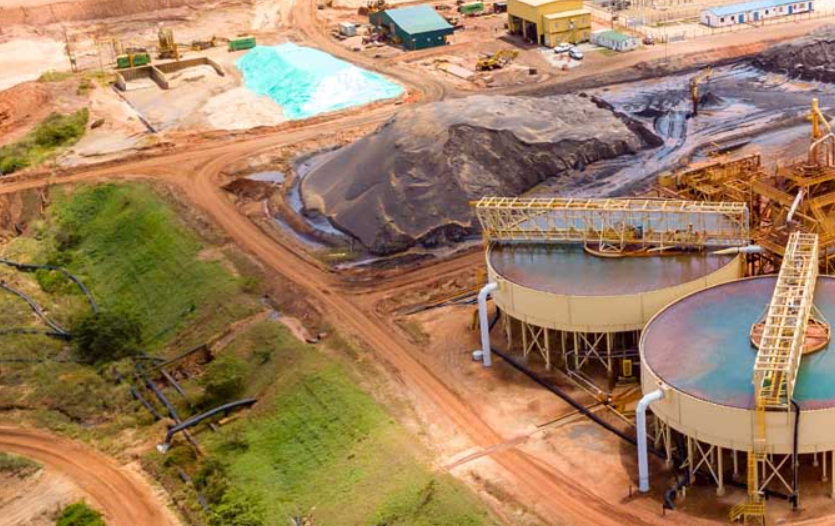
Kenia entwickelt sich rasant zu einem äußerst lukrativen Goldabbaugebiet in Ostafrika. Die historischen und neu erkundeten Grünschiefergürtel in Westkenia – insbesondere der hochgradige Liranda-Korridor in Kakamega und der polymetallische Migori-Goldgürtel – ziehen bedeutende internationale und chinesische Investitionen an. Projekte wie das Westkenia-Projekt von Shanta Gold und die Minen in Kilimapesa und Karebe unterstreichen das immense Potenzial. Der Übergang von der Exploration zur rentablen kommerziellen Förderung erfordert jedoch die Überwindung komplexer geologischer und umweltbedingter Herausforderungen, die spezifisch für die Region sind.
Die führenden Metallurgen in Westkenia stehen vor drei gravierenden Herausforderungen. Erstens: Starke Goldbindung in den Erzen: Der im Kakamega-Grünsteingürtel häufig vorkommende kohlenstoffhaltige Schiefer wirkt wie ein natürlicher Schwamm und adsorbiert gelöste Goldkomplexe vorzeitig, bevor diese die Extraktionsphase erreichen. Dies führt zu verheerenden Verlusten im Abraum. Zweitens : Ökologische Sensibilität des Viktoriasees: Die meisten kenianischen Goldvorkommen befinden sich im wichtigen Viktoriasee-Becken. Die kenianische Umweltbehörde (NEMA) verfolgt eine Null-Toleranz-Politik gegenüber dem Abfluss gefährlicher Chemikalien. Die Genehmigung einer Umweltverträglichkeitsprüfung (UVP) für eine traditionelle Cyanidanlage ist hier ein langwieriger und mühsamer Kampf. Drittens: Beeinträchtigungen beim Binnentransport: Der Hafen von Mombasa bietet zwar hervorragende Seeverbindungen, doch der Transport von Gefahrstoffen der Klasse 6.1 durch den Großen Afrikanischen Grabenbruch nach Westkenia setzt die Fracht extremer Hitze, hoher Luftfeuchtigkeit und unwegsamem Gelände aus, was eine einwandfreie Verpackung erfordert.
United Chemical hat eine hochspezialisierte Reagenzienmatrix entwickelt, um diese spezifischen Herausforderungen in Kenia zu lösen. Durch den Einsatz von ultrahartem, hyperkinetischem Kohlenstoff, der natürliche Goldabbauprodukte verdrängt, durch das Angebot von NEMA-konformen Cyanid-Alternativen und die Sicherstellung der Logistik im Landesinneren ermöglichen wir kenianischen Minen, ihre Goldausbeute drastisch zu steigern und gleichzeitig die Einhaltung von Umweltauflagen zu gewährleisten.
Maßgeschneiderte Goldgewinnungslösungen für kenianische Grünschiefer-Erze
AuCarb™ Gold Recovery Aktivkohle aus Kokosnussschalen (≥99% Härte)
In den kohlenstoffhaltigen Grünschiefergürteln von Kakamega ist die sogenannte „Schwangerschaftsraub“-Wirkung der größte Feind. Der natürliche Kohlenstoff im Erz raubt Ihnen das gelöste Gold. Um diesen chemischen Kampf zu gewinnen, müssen Sie einen kommerziellen Kohlenstoff einsetzen, der deutlich aktiver und widerstandsfähiger ist als der natürliche Kohlenstoff.
Verhinderung der Preg-Robbing-Kinetik: AuCarb™ verfügt über ein umfassend entwickeltes makroporöses Netzwerk. Es erzeugt eine hyperkinetische Adsorptionsumgebung, die die natürliche kohlenstoffhaltige Substanz in kenianischen Erzen effektiv verdrängt und den [Au(CN)₂]⁻-Komplex aus der Suspension entfernt, bevor es zu Preg-Robbing kommen kann.
Unzerbrechliche Haltbarkeit im CIP/CIL-Verfahren: Durch thermische Aktivierung erreicht AuCarb™ eine extreme Härte von ≥99 % und widersteht so der starken Belastung in CIP-Anlagen (Carbon-in-Pulp). Es zerfällt nicht in Mikropartikel und eliminiert somit das Risiko, dass Ihr hart verdientes Gold im Absetzbecken landet.
AuLeach™ Goldlaugungsmittel (GDA) - Nicht gefährlich
Der Schutz des Viktoriaseebeckens hat in Kenia höchste Priorität. Die NEMA-Vorschriften sind hinsichtlich der Lagerung, Verwendung und Entsorgung von Cyanid äußerst streng. Ein einziger Umweltverstoß kann zum Entzug der Lizenz führen.
Umweltschonendes Abfallmanagement: AuLeach™ bietet eine revolutionäre, cyanidfreie Extraktionsalternative. Weltweit als ungefährlich und wenig toxisch zertifiziert, stellt es sicher, dass Ihr Abwasser aus der Absetzanlage keine Gefahr für lokale Grundwasserleiter oder das Ökosystem des Viktoriasees darstellt und garantiert somit eine schnelle Umweltverträglichkeitsprüfung (UVP) durch die NEMA.
Reibungsloser Binnentransport: Da AuLeach™ als nicht-gefährliche Chemikalie eingestuft ist, entgeht es der quälend langsamen Abfertigung von Gefahrgut der Klasse 6.1 im Hafen von Mombasa. Es wird zügig entlang des nördlichen Korridors nach Westkenia transportiert, ohne dass teure Polizeieskorten oder spezielle Lagergenehmigungen für Gefahrgut erforderlich sind.
AuCyan™ Natriumcyanid NaCN (≥98.3%)
Bei Abbauarbeiten im Migori-Gürtel, die sulfidische und leicht polymetallische Erze verarbeiten, darf die Auslaugungsleistung nicht beeinträchtigt werden. Darüber hinaus erfordert der Transport vom feuchten Mombasa ins Hochland einen absolut sicheren chemischen Schutz.
Maximale Laugenwirkung: AuCyan™ garantiert eine Reinheit von mindestens 98.3 % und liefert eine extrem hohe Konzentration freier Cyanidionen. Diese enorme chemische Kraft ist notwendig, um sulfidische Gesteine in den Erzen Westkenias aufzubrechen, die Auflösung zu beschleunigen und die Gesamtausbeute zu steigern.
Klimabeständige Verpackung für das Rift Valley: Wir verpacken AuCyan™ in robusten, UN-zertifizierten Stahlfässern mit doppelwandiger Polymer-Innenauskleidung. Ob in der feuchten Küstenregion von Mombasa oder auf dem holprigen Transportweg durch das Rift Valley – das Reagenz erreicht Ihren Standort in Kakamega oder Migori perfekt trocken und mit voller Wirksamkeit.
Nahtlose Logistik: Vom Hafen von Mombasa zu Ihrem Minenstandort
Ein Hafen zu besitzen bedeutet nicht, dass die Logistik einfach ist; der Transport gefährlicher Güter ins Landesinnere erfordert spezielle Fachkenntnisse. United Chemical optimiert die gesamte Lieferkette nach Kenia.
Optimierte Zollabfertigung in Mombasa: Wir liefern einwandfreie Dokumentation (Handelsrechnungen, Analysezertifikate, Sicherheitsdatenblätter), die perfekt mit den Anforderungen der kenianischen Steuerbehörde (KRA) und des kenianischen Normungsinstituts (KEBS) übereinstimmt und so kostspielige Liegegebühren im Hafen vermeidet.
Sichere Inlandrouten: Wir arbeiten mit sorgfältig geprüften kenianischen Transportunternehmen zusammen, die für den Transport gefährlicher Bergbauchemikalien zugelassen sind. So stellen wir sicher, dass Ihre Fracht sicher von Mombasa über Nairobi direkt zu Ihrer Verarbeitungsanlage in den westlichen Bezirken transportiert wird.
Weisen Sie die Ausbeute Ihrer Kakamega- oder Migori-Erze nach
Lassen Sie sich nicht von möglichen Schwangerschaftsverlusten oder regulatorischen Bedenken von Ihrer Produktion abhalten. Wir laden kenianische Betriebsleiter und Metallurgen ein, kostenlose Laborproben anzufordern. Führen Sie direkte CIL-Kinetiktests und Umwelttoxizitätsprüfungen durch, um unsere Leistungsfähigkeit selbst zu bestätigen.
Jetzt kostenlose Laborproben anfordern
Häufig gestellte Fragen: Goldverarbeitung in Kenia
1. Warum ist Schwangerschaftsraub im Kakamega-Grünsteingürtel so verbreitet?
Die geologischen Formationen in Westkenia, wie beispielsweise der Liranda-Korridor, enthalten häufig kohlenstoffhaltige Schiefer. Dieser natürlich vorkommende Kohlenstoff wirkt wie ein Schwamm (Gold-Cyanid-Komplex), der den Gold-Cyanid-Komplex vorzeitig aus der Lösung adsorbiert, bevor er gewonnen werden kann, was zu erheblichen Verlusten im Abraum führt.
2. Wie funktioniert AuCarb™? Aktivkohle Kenianische schwangerschaftsraubende Erze besiegen?
Um natürlichem Kohlenstoff entgegenzuwirken, benötigen Sie einen hochwertigen Aktivkohlenstoff. AuCarb™ Gold Recovery Coconut Shell Activated Carbon zeichnet sich durch eine hochentwickelte makroporöse Struktur aus, die eine deutlich schnellere Adsorptionskinetik ermöglicht. Er ist dem natürlichen Erz überlegen, indem er den Goldkomplex frühzeitig bindet und sicher fixiert.
3. Wird der Einsatz von AuLeach™ dazu beitragen, die NEMA-Zulassung in der Nähe des Viktoriasees zu erhalten?
Absolut. Da die Goldvorkommen in Westkenia im Einzugsgebiet des Viktoriasees liegen, unterliegt der Umgang mit gefährlichen Chemikalien strengen Regulierungen durch die NEMA (National Environment Management Authority). Das Goldlaugungsmittel AuLeach™ ist cyanidfrei und wenig toxisch, wodurch Umweltverträglichkeitsprüfungen deutlich einfacher zu bestehen sind und die lokalen Wassersysteme umfassend geschützt werden.
4. Sind für die Umstellung auf AuLeach™ Anlagenmodifikationen in Kenia erforderlich?
Es sind weder Investitionen noch eine Umgestaltung der Anlagen erforderlich. AuLeach™ ist als direkter Ersatz für Natriumcyanid konzipiert . Sie können Ihre bestehenden CIL-Tanks, Laugungsanlagen, Rührwerke und Aktivkohle-Rückgewinnungskreisläufe nahtlos weiterverwenden.
5. Warum ist eine Kohlenstoffhärte von ≥99% für die Goldgewinnung in Migori so wichtig?
Im Migori-Gürtel werden häufig dichte, abrasive Schlämme durch starke Rührwerke geleitet. Ist die Aktivkohle weich, zerbricht sie (Abrieb), und die goldhaltigen Fragmente werden in die Abraumhalden gespült. AuCarb™ behält eine Härte von ≥ 99 % bei, verhindert so Bruch und eliminiert Goldverluste.
6. Wie verarbeitet AuCyan™ die sulfidischen Erze Westkenias?
Sulfidische Erze erfordern eine hohe chemische Intensität zur Goldgewinnung. Durch die Gewährleistung einer ultrahohen Reinheit von ≥ 98.3 % bietet AuCyan™ Natriumcyanid (NaCN) eine maximale Konzentration an freiem Cyanid (CN⁻). Dies durchdringt die Sulfidmatrix schneller, verbessert die Gesamtauflösungsrate und steigert die Goldausbeute.
7. Wie schützen Sie Chemikalien während des Transports von Mombasa nach Kakamega?
Der lange Transportweg von der Küste nach Westkenia ist mit hoher Luftfeuchtigkeit, Hitze und unwegsamen Straßen verbunden. Wir verpacken AuCyan™ in dickwandigen, UN-zertifizierten Stahlfässern mit doppelt versiegelten Polymer-Innenbeuteln. Dies garantiert, dass keine Feuchtigkeit eindringt und das Reagenz bei Ankunft an Ihrem Standort trocken und wirksam bleibt.
8. Spart die Einfuhr von AuLeach™ über den Hafen von Mombasa Zeit im Vergleich zu Cyanid?
Ja, drastisch. Natriumcyanid ist ein Gefahrgut der Klasse 6.1 und erfordert umfangreiche Genehmigungen, Polizeibegleitung und eine spezielle Lagerung in Mombasa, was zu Verzögerungen im Hafen führt. AuLeach™ hingegen ist als nicht gefährlich eingestuft und kann daher als Standard-Industriegut verzollt und schnell ins Inland transportiert werden.
9. Sind Ihre Produkte für Bergwerke geeignet, die vom handwerklichen zum kommerziellen Abbau übergehen?
Absolut. Da kenianische Minen von handwerklichen Methoden auf formale CIL/CIP-Anlagen umstellen, ist die Standardisierung der Reagenzien der Schlüssel zur Stabilität. United Chemical bietet eine skalierbare Versorgung, gleichbleibend hohe Reinheit und technischen Support, um sicherzustellen, dass Ihre modernisierte Anlage die maximale Ausbeute erzielt.
10. Wie kann unser Werk in Kenia kostenlose Testmuster erhalten?
Wir empfehlen umfassende metallurgische Prüfungen. Werksleiter und leitende Ingenieure in Kenia können sich direkt an uns wenden, um kostenlose Testmuster von AuCyan™, AuCarb™ oder AuLeach™ anzufordern. Wir koordinieren die schnelle Lieferung an Ihr Labor für kinetische Flaschen- oder Säulenlaugungsversuche.
- Zufälliger Inhalt
- Heiße Inhalte
- Heißer Bewertungsinhalt
- QUALITÄTSMANAGEMENTSYSTEMZERTIFIKAT
- Das Potenzial von Chemikalien für die Mineralverarbeitung voll ausschöpfen: Effizienz und Nachhaltigkeit steigern
- Natriumalpha-Olefinsulfonat (AOS)
- Welchen Einfluss haben Bergbauchemikalien auf die Mineralgewinnungsraten bei der Flotation?
- TuxingSun United Mining Mineralforschungs- und Testzentrum - Erzelement-Testlabor
- Acrylamid
- Natriumthiosulfatpentahydrat
- 1Natriumcyanid (CAS: 143-33-9) für den Bergbau zum reduzierten Preis – Hohe Qualität und wettbewerbsfähige Preise
- 2Natriumcyanid 98.3 % CAS 143-33-9 NaCN Goldaufbereitungsmittel Unverzichtbar für die chemische Industrie im Bergbau
- 3Chinas neue Vorschriften für Natriumcyanid-Exporte und Hinweise für internationale Käufer
- 4Natriumcyanid (CAS: 143-33-9) Endbenutzerzertifikat (chinesische und englische Version)
- 5Internationaler Cyanid-(Natriumcyanid-)Managementkodex – Annahmestandards für Goldminen
- 6Chinesische Fabrik Schwefelsäure 98%
- 7Wasserfreie Oxalsäure 99.6 % Industriequalität
- 1Natriumcyanid 98.3 % CAS 143-33-9 NaCN Goldaufbereitungsmittel Unverzichtbar für die chemische Industrie im Bergbau
- 2Hohe Reinheit · Stabile Leistung · Höhere Ausbeute – Natriumcyanid für die moderne Goldlaugung
- 3United ChemicalDas Forschungsteam von demonstriert Autorität durch datenbasierte Erkenntnisse
- 4AuCyan™ Hochleistungs-Natriumcyanid | 98.3 % Reinheit für den globalen Goldabbau
- 5Digitaler elektronischer Zünder (Verzögerungszeit 0–16000 ms)
- 6Hochfester, hochpräziser Stoßrohrzünder
- 7Industrieller elektrischer Zünder


Online-Nachrichtenberatung
Einen Kommentar hinzufügen: