
Cyanides, including Sodium Cyanide (NaCN) and Hydrogen Cyanide (HCN), are among the most toxic yet industrially vital chemical compounds. Their unique reactivity enables applications in gold mining, pharmaceuticals, plastics, and more. This article delves into the properties, applications, and Chemical Transformations between these two key cyanides, while addressing safety challenges and technological innovations.
I. Properties and Applications of Sodium Cyanide
1. Chemical Properties
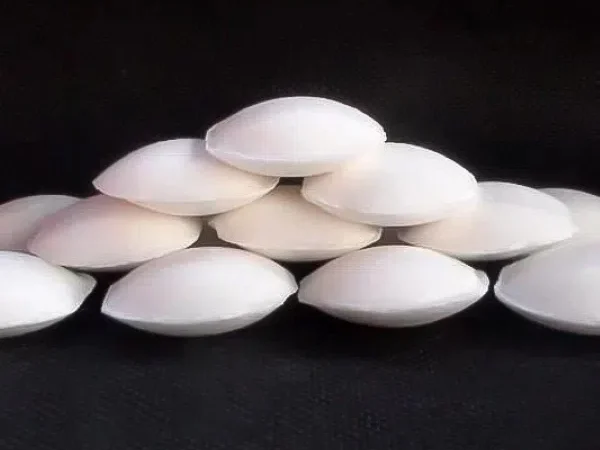
Sodium cyanide is a white crystalline solid, highly soluble in water. Its toxicity stems from the cyanide ion (CN⁻), which inhibits cellular respiration by binding to cytochrome oxidase.
2. Industrial Uses
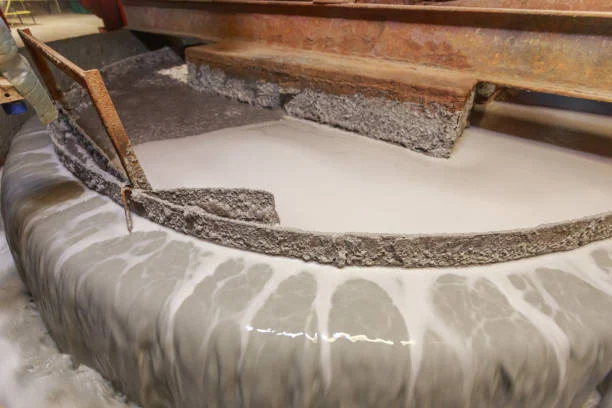
Gold Extraction: As discussed earlier, NaCN dissolves gold via the reaction:
4Au + 8NaCN + O₂ + 2H₂O → 4NaAu(CN)₂ + 4NaOH
Electroplating: Stabilizes metal ions in coatings (e.g., zinc, copper).
Organic Synthesis: Precursor for nitriles, adiponitrile (nylon), and pharmaceuticals.
Pesticides: Used in insecticides like fenvalerate.
II. Hydrogen Cyanide: Properties and Applications
1. Chemical Properties
Hydrogen cyanide is a colorless liquid/gas with a bitter almond odor. It is highly volatile and rapidly absorbed through inhalation or skin contact.
2. Industrial Uses
Pharmaceuticals: Synthesis of vitamins (e.g., B12), antithyroid drugs.
Plastics: Production of acrylonitrile (used in ABS plastics and synthetic fibers).
Agriculture: Fumigant for stored grains and soil sterilization.
Chemical Warfare: Historical use as a weapon, now strictly regulated.
III. Transformation Mechanisms Between NaCN and HCN
1. From NaCN to HCN
Under acidic conditions (pH < 7), NaCN releases HCN gas:
NaCN + HCl → NaCl + HCN↑
This reaction is critical in gold mining; insufficient alkalinity (e.g., low CaO addition) can lead to HCN gas leaks, posing severe safety risks.
2. From HCN to NaCN
HCN can be neutralized with strong bases to regenerate cyanide salts:
HCN + NaOH → NaCN + H₂O
This process is used in gas scrubbers to treat HCN-containing exhaust streams.
3. Oxidation and Degradation
Both NaCN and HCN can be detoxified via oxidation:
Chlorination:
2CN⁻ + 5ClO⁻ + H₂O → 2CO₂↑ + N₂↑ + 5Cl⁻ + 2OH⁻
Ozonation:
CN⁻ + O₃ → CNO⁻ + O₂
IV. Safety Challenges and Regulatory Controls
1. Toxicity and Environmental Risks
Human Health: Inhalation of HCN (lethal dose: ~50–200 mg) causes rapid unconsciousness and death.
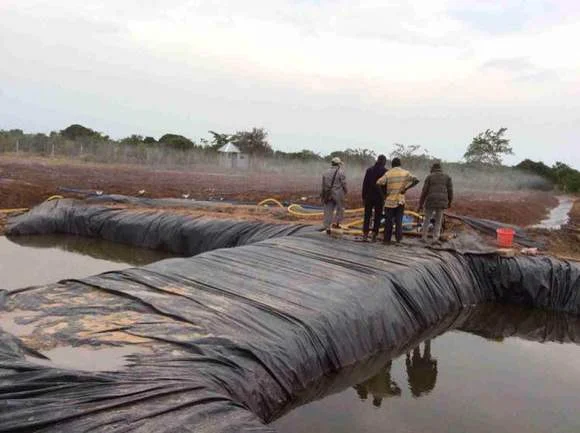
Environmental Impact: Cyanide contamination in waterways can kill aquatic life; historical spills (e.g., 2000 Baia Mare disaster) highlight risks.
2. Regulatory Measures
UN Classification: HCN is a Schedule 3 chemical under the Chemical Weapons Convention.
OSHA Limits: Permissible exposure limit (PEL) for HCN: 10 ppm (8-hour TWA).
ICMI Guidelines: International Cyanide Management Code mandates safer handling in mining.
V. Innovations in Cyanide Management
1. Safer Production Processes
On-Site Generation: HCN is increasingly produced via controlled ammoxidation of methane (e.g., CH₄ + NH₃ + 1.5O₂ → HCN + 3H₂O), reducing transportation risks.
Cyanide-Free Alternatives:
Gold Extraction: Thiourea, bromine, or ionic liquids.
Electroplating: Zinc-nickel alloys without cyanide.
2. Digital Monitoring
IoT sensors and AI algorithms enable real-time tracking of cyanide concentrations in air and water, minimizing leaks.
VI. Future Trends
Green Synthesis: Biocatalytic production of nitriles using enzymes (e.g., nitrile hydratase).
Energy Applications: HCN as a hydrogen carrier in fuel cells.
Circular Economy: Recovery of cyanide from waste streams via membrane filtration or adsorption.
Conclusion
The interplay between sodium cyanide and hydrogen cyanide underscores their dual roles as industrial workhorses and environmental hazards. While their applications remain indispensable in sectors like mining and pharmaceuticals, technological advancements and regulatory rigor are driving safer practices. The future of cyanide chemistry lies in balancing efficiency with sustainability, ensuring that these powerful compounds serve humanity without compromising health or the planet.
- Random Content
- Hot content
- Hot review content
- Flexible Customer and Supplier Relations Specialist (: Indonesia)
- Dithiophosphate 25S
- Sodiumsulfite Technical Grade 96%-98%
- Industrial Acetic Acid 99.5% Colorless Liquid Glacial acetic acid
- Anhydrous Ammonia 99% Liquid
- Citric acid-Food Grade
- Sodium Metasilicate Pentahydrate
- 1Discounted Sodium Cyanide (CAS: 143-33-9) for Mining - High Quality & Competitive Pricing
- 2Sodium Cyanide 98.3% CAS 143-33-9 NaCN gold dressing agent Essential for Mining Chemical Industries
- 3China's New Regulations on Sodium Cyanide Exports and Guidance for International Buyers
- 4Sodium Cyanide (CAS: 143-33-9) End user certificate (Chinese and English version)
- 5International Cyanide(Sodium cyanide) Management Code - Gold Mine Acceptance Standards
- 6China factory Sulfuric Acid 98%
- 7Anhydrous Oxalic acid 99.6% Industrial Grade
- 1Sodium Cyanide 98.3% CAS 143-33-9 NaCN gold dressing agent Essential for Mining Chemical Industries
- 2High Purity · Stable Performance · Higher Recovery — sodium cyanide for modern gold leaching
- 3Nutritional Supplements Food Addictive Sarcosine 99% min
- 4Sodium Cyanide Import Regulations & Compliance – Ensuring Safe and Compliant Importation in Peru
- 5United Chemical's Research Team Demonstrates Authority Through Data-Driven Insights
- 6AuCyan™ High-Performance Sodium Cyanide | 98.3% Purity for Global Gold Mining
- 7Digital Electronic Detonator(Delay time 0~ 16000ms)




Online message consultation
Add comment: