
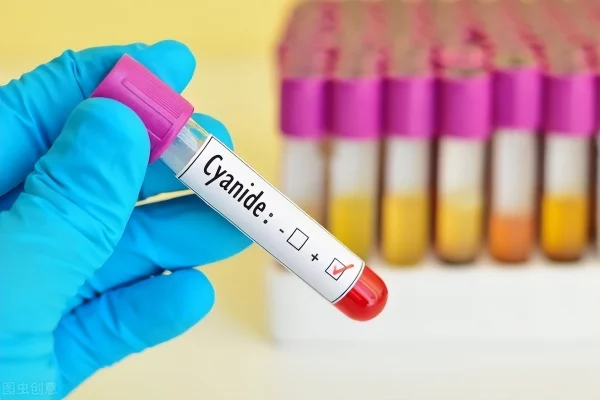
Cyanide is one of the most toxic chemicals widely used by global mineral processing companies in the cyanidation process to leach precious minerals such as gold and silver. Due to its high affinity for gold and silver, Cyanide can selectively leach these metals from ores. Cyanide and cyanide complexes in wastewater streams are strictly regulated. Residues and wastewater streams containing cyanide must be treated to reduce the concentrations of total and free cyanide below the prescribed limits.
Natural degradation reactions can render cyanide non - toxic, producing Carbon dioxide and nitrogen compounds. These natural reactions have been the most commonly used method in the mining industry to attenuate cyanide. However, the rate of natural degradation depends significantly on environmental conditions and may not yield sewage of the desired quality throughout the year in all cases. Technologies including chemical, biological, electrochemical, and photochemical methods have been developed to reduce cyanide and its complexes to the prescribed limits in wastewater.
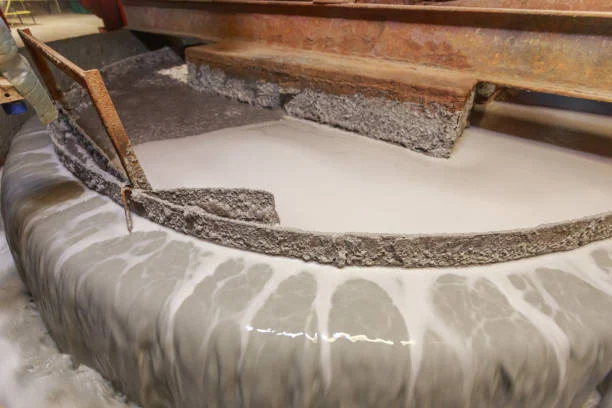
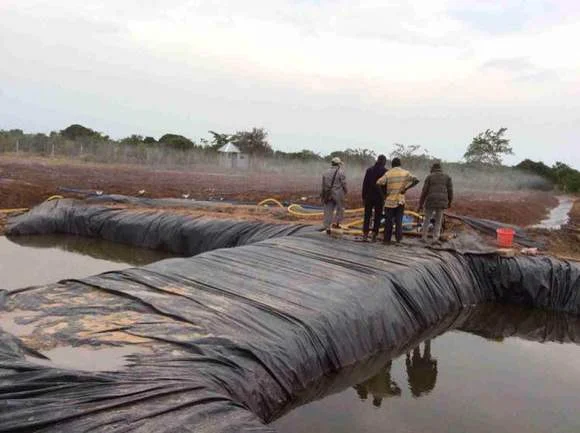
Gold Mine Cyanide Tailings
The acidic mine drainage from gold mining contains heavy metals but also cyanide, an organic compound with potentially lethal effects. Cyanide is used in two ways. The first is heap leaching, where a cyanide solution is sprayed onto piles of crushed ore. This dissolves the gold, which is then collected on a pad below. The process is repeated until all the gold is recovered. The second method is carbon - in - pulp, where cyanide is sprayed into leaching tanks filled with ore and collected in a more controlled manner.
Tailings remain highly toxic. Although cyanide decomposes rapidly in surface water, it can persist in groundwater for a long time. Cyanide tailings accidents have led to massive fish kills, drinking water contamination, and damage to agricultural land.
Biochar for Heavy Metal and Cyanide Removal
A process has been developed using low - cost biochar made from sawdust, yielding some effective final results. Biochar is charcoal produced by the pyrolysis or thermal decomposition of biomass in the absence of oxygen. It has many applications, from enhancing soil fertility and agricultural productivity to carbon sequestration as a possible means of mitigating climate change.
Biochar has been shown to reduce the concentrations of cyanide ions and other heavy metals in tailings wastewater. Sawdust waste, which is typically landfilled, has the potential to produce methane, a potent greenhouse gas, or cause fires. By using this waste from the timber industry as a solution for gold mine waste, a more sustainable win - win situation is achieved.
Scientists tested biochar with wastewater containing cyanide, chromium, iron, zinc, nickel, lead, manganese, and copper. The pH was maintained at a constant rate of 7 by adding carbon dioxide. A higher pH was found to slow down the absorption process. The results indicated that biochar, as a bio - absorbent in water treatment, had an average absorption rate of 73%.
The smaller the particle size of biochar, the greater the number of pollutants removed. A larger surface area leads to a higher absorption rate. Saturation, attributed to the clogging of biochar pores during the bio - absorption process, was reached after 14 hours.
Biochar presents a promising and sustainable solution for the treatment of Gold mine tailings, effectively reducing the levels of toxic cyanide and heavy metals, and potentially revolutionizing the way the mining industry manages its waste.
- Random Content
- Hot content
- Hot review content
- Expanded AN explosive
- Citric acid-Food Grade
- Pharmaceutical Grade Zinc Acetate
- Maleic Anhydride - MA
- Lithium hydroxide 99% Solid
- Ethyl alcohol /Ethanol 99.5%
- Ethylene carbonate
- 1Discounted Sodium Cyanide (CAS: 143-33-9) for Mining - High Quality & Competitive Pricing
- 2Sodium Cyanide 98.3% CAS 143-33-9 NaCN gold dressing agent Essential for Mining Chemical Industries
- 3China's New Regulations on Sodium Cyanide Exports and Guidance for International Buyers
- 4Sodium Cyanide (CAS: 143-33-9) End user certificate (Chinese and English version)
- 5International Cyanide(Sodium cyanide) Management Code - Gold Mine Acceptance Standards
- 6China factory Sulfuric Acid 98%
- 7Anhydrous Oxalic acid 99.6% Industrial Grade
- 1Sodium Cyanide 98.3% CAS 143-33-9 NaCN gold dressing agent Essential for Mining Chemical Industries
- 2High Purity · Stable Performance · Higher Recovery — sodium cyanide for modern gold leaching
- 3Nutritional Supplements Food Addictive Sarcosine 99% min
- 4Sodium Cyanide Import Regulations & Compliance – Ensuring Safe and Compliant Importation in Peru
- 5United Chemical's Research Team Demonstrates Authority Through Data-Driven Insights
- 6AuCyan™ High-Performance Sodium Cyanide | 98.3% Purity for Global Gold Mining
- 7Digital Electronic Detonator(Delay time 0~ 16000ms)




Online message consultation
Add comment: