
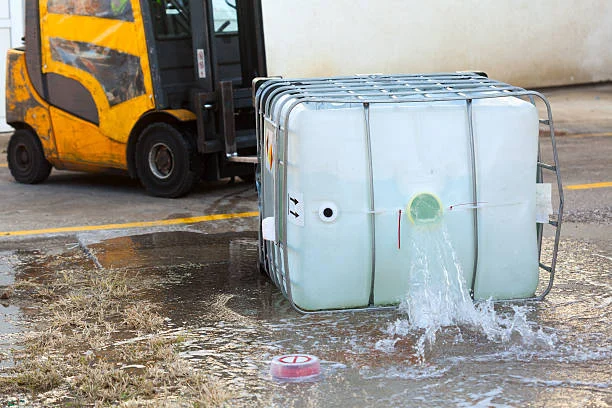
Sodium cyanide, a highly toxic inorganic compound, poses significant risks to human health and the environment in the event of leakage, spillage, or accidental release. Understanding the proper emergency response procedures and protection key points is crucial for minimizing harm and ensuring the safety of responders and the public. This blog post outlines comprehensive guidelines for handling sodium cyanide emergencies.
1. Initial Response
1.1 Detection and Identification
When a potential Sodium Cyanide incident is suspected, immediate detection is vital. Use specialized gas detectors and analytical equipment to confirm the presence and concentration of Sodium cyanide. Visual cues, such as a bitter almond odor (though not all individuals can detect it), can also be an initial indicator, but rely primarily on scientific detection methods for accuracy.
1.2 Notification
Upon confirmation of a sodium cyanide release, initiate an emergency notification system. Alert local emergency response agencies, environmental protection departments, and relevant industries promptly. Provide detailed information, including the location, extent of the release, and any known hazards or risks associated with the incident.
1.3 Evacuation
Evacuate all non-essential personnel from the affected area immediately. Establish a safe perimeter based on the wind direction, concentration of sodium cyanide, and terrain. Use clear and concise communication methods, such as sirens, public address systems, and emergency alerts, to ensure that everyone in the vicinity is aware of the evacuation order.
2. On-Site Disposal
2.1 Containment
Contain the sodium cyanide spill or leakage to prevent further spread. Use absorbent materials, such as clay, sawdust, or specialized chemical absorbents, to soak up the liquid. Build dikes or barriers around the spill area to prevent the contaminated liquid from flowing into drains, rivers, or other water bodies.
2.2 Neutralization
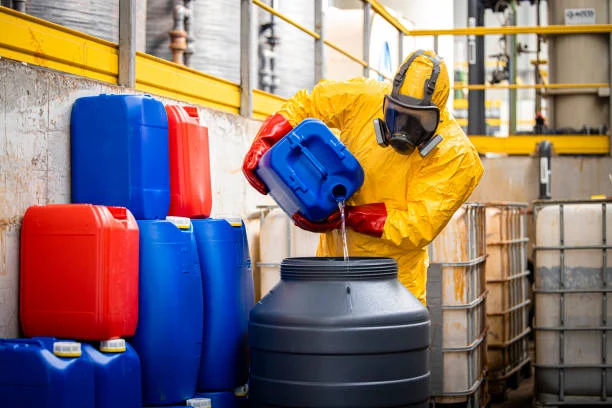
For small spills, neutralize sodium cyanide using appropriate chemical agents. Commonly, oxidizing agents like sodium hypochlorite (bleach) can be used to convert sodium cyanide into less toxic substances. Follow strict safety protocols and wear appropriate personal protective equipment (PPE) during the neutralization process.
2.3 Collection and Disposal
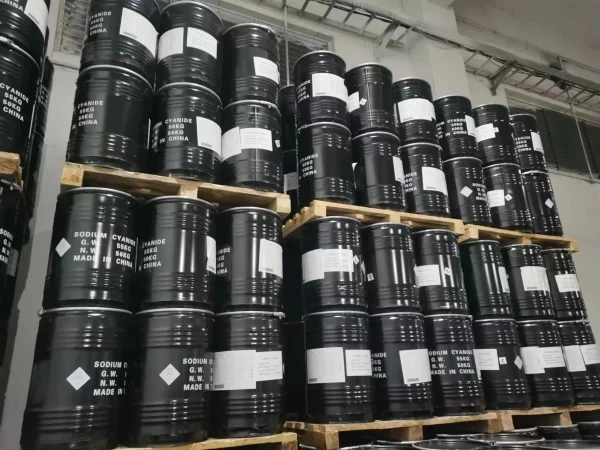
Collect the contaminated materials and waste generated during the response process. Place them in labeled, leak-proof containers. Ensure that the containers are properly sealed and transported to a licensed hazardous waste disposal facility for safe disposal. Comply with all local, state, and federal regulations regarding hazardous waste management.
3. Protection Key Points
3.1 Personal Protective Equipment (PPE)
Respiratory Protection: Wear a self-contained breathing apparatus (SCBA) with a full facepiece to prevent inhalation of sodium cyanide vapors or dust. SCBAs provide a reliable source of clean air in hazardous environments.
Chemical-Resistant Clothing: Don protective suits made of materials resistant to sodium cyanide, such as butyl rubber or neoprene. Cover all exposed skin to prevent direct contact with the toxic substance.
Gloves and Footwear: Use chemical-resistant gloves and boots to protect hands and feet. Change gloves frequently and wash hands thoroughly after removing them.
3.2 Decontamination
After exposure to sodium cyanide, decontaminate promptly. Remove contaminated clothing in a safe area and place it in sealed bags. Wash the skin thoroughly with soap and water, paying close attention to areas around the eyes, nose, and mouth. Rinse any exposed equipment or tools with appropriate decontamination solutions.
3.3 Medical Surveillance
All responders involved in sodium cyanide emergency response should undergo medical surveillance. This includes pre-exposure medical examinations to assess baseline health status and post-exposure monitoring for signs of cyanide poisoning, such as headache, dizziness, nausea, and shortness of breath. Provide immediate medical treatment to anyone showing symptoms of exposure.
In conclusion, a well-planned and coordinated emergency response is essential when dealing with sodium cyanide incidents. By following the outlined procedures and adhering to the protection key points, responders can effectively manage the situation, protect public health, and minimize environmental impact. Regular training and drills are also crucial to ensure that emergency response teams are well-prepared and capable of handling sodium cyanide emergencies safely and efficiently.
- Random Content
- Hot content
- Hot review content
- Sodium Isobutyl Xanthate SIBX 90%
- Shock Tube Detonator
- Thiourea 99% high activity Professional Producer
- Calcium Chloride 74% Flakes
- Sodium selenite,anhydrous 98%
- Ammonium Bisulfite 70% Solution
- What role do mining chemicals play in the mining industry?
- 1Discounted Sodium Cyanide (CAS: 143-33-9) for Mining - High Quality & Competitive Pricing
- 2Sodium Cyanide 98.3% CAS 143-33-9 NaCN gold dressing agent Essential for Mining Chemical Industries
- 3China's New Regulations on Sodium Cyanide Exports and Guidance for International Buyers
- 4Sodium Cyanide (CAS: 143-33-9) End user certificate (Chinese and English version)
- 5International Cyanide(Sodium cyanide) Management Code - Gold Mine Acceptance Standards
- 6China factory Sulfuric Acid 98%
- 7Anhydrous Oxalic acid 99.6% Industrial Grade
- 1Sodium Cyanide 98.3% CAS 143-33-9 NaCN gold dressing agent Essential for Mining Chemical Industries
- 2High Purity · Stable Performance · Higher Recovery — sodium cyanide for modern gold leaching
- 3Nutritional Supplements Food Addictive Sarcosine 99% min
- 4Sodium Cyanide Import Regulations & Compliance – Ensuring Safe and Compliant Importation in Peru
- 5United Chemical's Research Team Demonstrates Authority Through Data-Driven Insights
- 6AuCyan™ High-Performance Sodium Cyanide | 98.3% Purity for Global Gold Mining
- 7Digital Electronic Detonator(Delay time 0~ 16000ms)





Online message consultation
Add comment: