
Sodium cyanide (NaCN) and potassium cyanide (KCN) are both crucial inorganic chemical raw materials with significant industrial applications. However, they possess distinct characteristics that set them apart in various aspects. Let's explore their differences in detail across multiple dimensions.
Physical Properties
Appearance
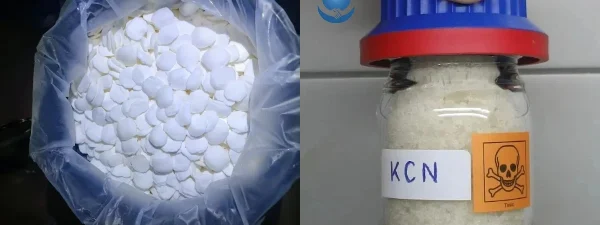
Potassium cyanide typically presents as white spherical hard lumps, while sodium cyanide is seen in the form of white crystalline granules or powder. Additionally, potassium cyanide emits a faint bitter almond odor, which can be a subtle yet important identifying feature. Sodium cyanide, on the other hand, is highly hygroscopic and exhibits corrosive properties, making it necessary to store and handle with extreme caution to prevent moisture absorption and potential damage to storage containers.
Melting Point
Regarding melting points, potassium cyanide has a relatively high melting point of approximately 634.5°C, while Sodium Cyanide melts at around 563.7°C. This difference in melting points can influence their processing and usage in industrial settings where temperature control is critical.
Solubility
In terms of solubility, potassium cyanide readily dissolves in water and glycerol, facilitating its use in various aqueous-based processes. Sodium cyanide, conversely, demonstrates solubility in liquid ammonia and ethanol, enabling its application in specific chemical reactions and manufacturing processes that require these solvents.
Density
The densities of these two compounds also vary, with potassium cyanide having a density of 1.52 g/cm³ and Sodium cyanide being denser at approximately 1.60 g/cm³. These density differences can impact handling, transportation, and mixing processes in industrial applications.
Chemical Properties
Reactivity with Other Substances
When it comes to chemical reactivity, potassium cyanide reacts with acids to produce highly toxic hydrogen cyanide gas, a reaction that must be carefully controlled to prevent the release of this deadly substance. Sodium cyanide, upon exposure to Carbon dioxide, undergoes slow decomposition, a characteristic that affects its storage and stability over time. Potassium cyanide releases heat when reacting with water, which can pose risks if not properly managed. Sodium cyanide, when mixed with strong oxidizers, may lead to explosive reactions, emphasizing the importance of strict handling protocols.
Applications
Industrial Uses
The applications of potassium cyanide and sodium cyanide diverge significantly. Potassium cyanide finds extensive use in the electroplating industry, where it plays a vital role in enhancing the quality and durability of metal coatings. It also serves as an intermediate in organic synthesis, contributing to the production of various organic compounds. Additionally, potassium cyanide is involved in the preparation of ferricyanides, which have applications in photography and other chemical processes.
Sodium cyanide, on the other hand, is predominantly utilized in the extraction of precious metals such as gold. Its ability to form stable complexes with gold ions makes it an essential reagent in gold mining and refining operations. It is also employed in the production of nitriles, which are important building blocks in the synthesis of numerous chemicals, plastics, and pharmaceuticals. Furthermore, sodium cyanide has applications in the pharmaceutical industry, although its use is highly regulated due to its extreme toxicity.
Safety Considerations
Handling and Storage
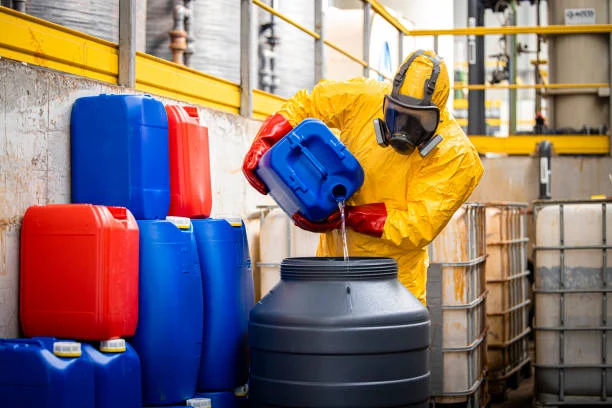
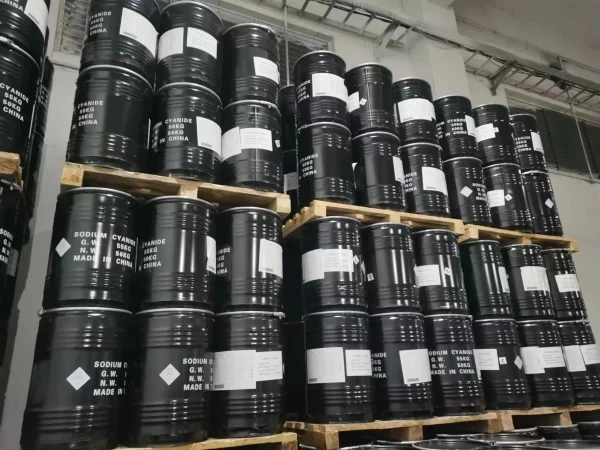
Safety is of utmost importance when dealing with both potassium cyanide and sodium cyanide due to their extreme toxicity. Potassium cyanide is typically packaged in sealed steel drums to prevent leakage and exposure. It must be transported in strict compliance with hazardous chemical regulations, and its production requires stringent safety measures to protect workers from exposure. In the event of skin contact with potassium cyanide, immediate medical attention is required as it can rapidly lead to poisoning. Ingestion of even a small amount can be fatal.
Sodium cyanide should be stored in a cool, dry place to prevent moisture absorption and degradation. During handling, precautions must be taken to prevent container damage, as any leakage can lead to environmental contamination and pose significant risks to human health. In case of a sodium cyanide leak, there are standardized emergency response procedures to follow to minimize the impact on the environment and human safety. Inhalation of sodium cyanide can cause severe damage to the respiratory system, and it also poses a significant environmental pollution risk if not properly managed.
In conclusion, while potassium cyanide and sodium cyanide share the common characteristic of extreme toxicity, their differences in physical properties, chemical behaviors, applications, and safety requirements are substantial. Understanding these distinctions is crucial for ensuring their safe and effective use in various industrial processes. Both compounds require strict regulatory compliance, careful handling, and proper management to prevent accidents, protect human health, and safeguard the environment.
- Random Content
- Hot content
- Hot review content
- Industry Grade Electron grade 98% Sulfuric Acid H2SO4 Sulphuric Acid Battery Acid Industrial Sulfuric Acid
- Unlocking the Power of Mineral Processing Chemicals: Enhancing Efficiency and Sustainability
- IPETC 95%Metal sulfide mineral collector Z-200
- High-strength, High-precision Shock Tube Detonator
- Seismic Electric Detonator(Anti static,Water Resistance)
- Citric acid-Food Grade
- Pine oil 85% High Quality Pinitol oil 85% Light Yellow To Colorless Oily Liquid
- 1Discounted Sodium Cyanide (CAS: 143-33-9) for Mining - High Quality & Competitive Pricing
- 2Sodium Cyanide 98.3% CAS 143-33-9 NaCN gold dressing agent Essential for Mining Chemical Industries
- 3China's New Regulations on Sodium Cyanide Exports and Guidance for International Buyers
- 4Sodium Cyanide (CAS: 143-33-9) End user certificate (Chinese and English version)
- 5International Cyanide(Sodium cyanide) Management Code - Gold Mine Acceptance Standards
- 6China factory Sulfuric Acid 98%
- 7Anhydrous Oxalic acid 99.6% Industrial Grade
- 1Sodium Cyanide 98.3% CAS 143-33-9 NaCN gold dressing agent Essential for Mining Chemical Industries
- 2High Purity · Stable Performance · Higher Recovery — sodium cyanide for modern gold leaching
- 3Nutritional Supplements Food Addictive Sarcosine 99% min
- 4Sodium Cyanide Import Regulations & Compliance – Ensuring Safe and Compliant Importation in Peru
- 5United Chemical's Research Team Demonstrates Authority Through Data-Driven Insights
- 6AuCyan™ High-Performance Sodium Cyanide | 98.3% Purity for Global Gold Mining
- 7Digital Electronic Detonator(Delay time 0~ 16000ms)






Online message consultation
Add comment: