
Introduction
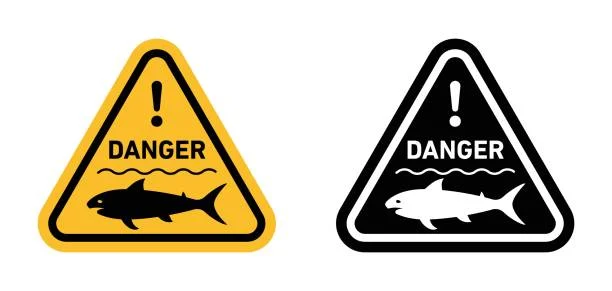
Sodium cyanide (NaCN) is a highly toxic compound that poses significant threats to fish and other wildlife. Its widespread use in various industrial processes, such as gold mining, and illegal activities like cyanide fishing, has led to detrimental impacts on aquatic and terrestrial ecosystems. This article delves into the specific hazards of sodium cyanide to these vulnerable creatures.
Hazards to Fish
Acute Toxicity
Cyanide is extremely
toxi to fish. Even at low concentrations, it can have lethal effects. When cyanide is present in water, fish absorb it through their gills. The cyanide ion (CN-) binds to the iron in the cytochrome oxidase enzyme in the fish's cells. This binding disrupts the electron transport chain, which is crucial for aerobic respiration. As a result, the fish are unable to use oxygen effectively, leading to cellular asphyxiation.
For example, studies have shown that when the cyanide ion concentration in water reaches 0.04 - 0.1mg/L, it can be lethal to many fish species. In cases of cyanide spills or improper disposal of cyanide - containing industrial waste into water bodies, large - scale fish kills have been observed. In some gold - mining regions where cyanide is used in the extraction process, accidental releases have led to the death of thousands of fish in nearby rivers and streams.
Sub - lethal Effects
Even if fish do not die immediately from cyanide exposure, they can suffer from sub - lethal effects. These effects can impact their growth, reproduction, and behavior. Cyanide exposure can cause fish to have reduced appetite, which in turn affects their growth rate. It can also disrupt their reproductive systems. Female fish may produce fewer eggs, and the eggs may have lower hatching success rates.
In terms of behavior, fish exposed to sub - lethal levels of cyanide may become more lethargic, less able to avoid predators, and have impaired swimming abilities. This makes them more vulnerable in their natural habitats.
Indirect Effects on Fish Habitats
Cyanide can also have indirect effects on fish habitats. In marine environments, cyanide fishing, an illegal practice mainly used to capture live fish for the aquarium trade and sometimes for food, has been a major concern. When fishermen squirt Sodium Cyanide into coral reefs to stun fish, the cyanide not only affects the targeted fish but also damages the coral reefs.
Coral reefs are essential habitats for fish, providing food, shelter, and breeding grounds. Cyanide can cause coral bleaching, which is the expulsion of symbiotic algae from the coral polyps. In lower doses, it can adversely affect the coral's biology, and in high doses, it can kill the corals outright. When corals die, the entire reef ecosystem begins to collapse, and fish that depend on the reefs for survival are left without a suitable habitat.
Hazards to Other Wildlife
Aquatic Invertebrates
Aquatic invertebrates, such as crayfish, mussels, and zooplankton, are also highly sensitive to cyanide. Similar to fish, cyanide can disrupt their respiratory and metabolic processes. Zooplankton, which form the base of the aquatic food chain, are particularly vulnerable. If zooplankton populations are decimated by cyanide exposure, it can have a cascading effect on the entire aquatic food web. For example, fish that rely on zooplankton as a food source will have less to eat, which can further impact their survival and growth.
Mussels and other bivalves can filter cyanide - containing water, accumulating the toxin in their tissues. This not only affects their own health but also poses a risk to animals that feed on them, such as birds and otters.
Terrestrial Wildlife
Terrestrial wildlife can be exposed to cyanide through various means. In areas near gold - mining operations, wildlife may come into contact with cyanide - contaminated water sources. For example, animals that drink from streams or ponds that have been polluted with cyanide from mining waste may be poisoned.
Some birds may be attracted to cyanide - containing tailings ponds at mining sites. These ponds can contain high concentrations of cyanide, and if birds land in them or consume prey that has been in contact with the cyanide, they can be poisoned. In addition, small mammals that live near industrial areas where cyanide is used may accidentally ingest cyanide - contaminated soil or plants, leading to illness or death.
Conclusion
The hazards of Sodium cyanide to fish and other wildlife are significant and far - reaching. From direct toxicity that causes immediate death to long - term sub - lethal effects and destruction of habitats, cyanide poses a serious threat to the survival and well - being of numerous species. It is crucial that strict regulations are enforced to prevent illegal cyanide use, such as in cyanide fishing, and that industries using cyanide implement proper waste management and safety measures to minimize environmental contamination. Protecting these vulnerable creatures from the dangers of cyanide is essential for maintaining the balance and biodiversity of our ecosystems.c
- Random Content
- Hot content
- Hot review content
- Oxalic acid for mining 99.6%
- industry Electric Detonator
- Magneto Electric Detonator(Anti stray current)
- Sodium Persulfate,Sodium Persulphate,supplier 99.00%
- Feed Grade 98.0% Calcium Formate
- Triethanolamine(TEA)
- Maleic Anhydride - MA
- 1Discounted Sodium Cyanide (CAS: 143-33-9) for Mining - High Quality & Competitive Pricing
- 2Sodium Cyanide 98.3% CAS 143-33-9 NaCN gold dressing agent Essential for Mining Chemical Industries
- 3China's New Regulations on Sodium Cyanide Exports and Guidance for International Buyers
- 4Sodium Cyanide (CAS: 143-33-9) End user certificate (Chinese and English version)
- 5International Cyanide(Sodium cyanide) Management Code - Gold Mine Acceptance Standards
- 6China factory Sulfuric Acid 98%
- 7Anhydrous Oxalic acid 99.6% Industrial Grade
- 1Sodium Cyanide 98.3% CAS 143-33-9 NaCN gold dressing agent Essential for Mining Chemical Industries
- 2High Purity · Stable Performance · Higher Recovery — sodium cyanide for modern gold leaching
- 3Nutritional Supplements Food Addictive Sarcosine 99% min
- 4Sodium Cyanide Import Regulations & Compliance – Ensuring Safe and Compliant Importation in Peru
- 5United Chemical's Research Team Demonstrates Authority Through Data-Driven Insights
- 6AuCyan™ High-Performance Sodium Cyanide | 98.3% Purity for Global Gold Mining
- 7Digital Electronic Detonator(Delay time 0~ 16000ms)






Online message consultation
Add comment: