
UNITED CHEMICAL · បច្ចេកវិទ្យាផលិតផល · ថ្ងៃទី 20 ខែវិច្ឆិកា ឆ្នាំ 2026
បញ្ជាក់ ការបោន by how it survives the circuit, not by one adsorption number
Gold-plant carbon is consumed two ways: it leaves with the loaded-carbon stream, and it grinds into fines that report to tailings. The second loss is rarely budgeted.
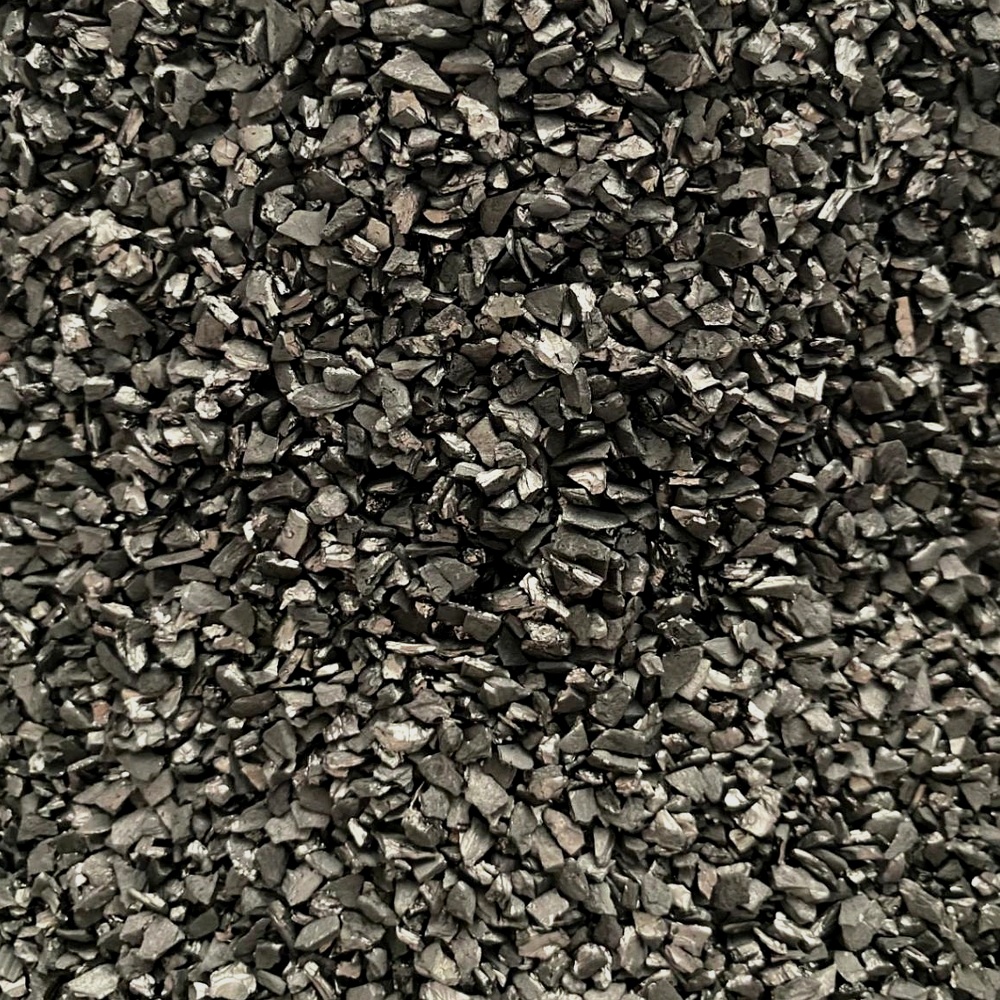
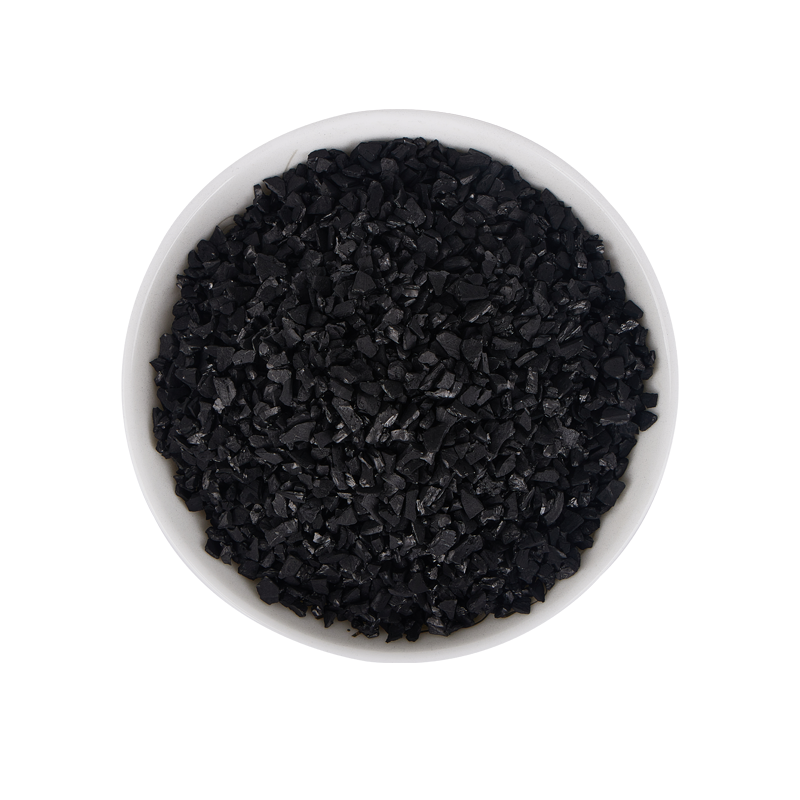
Activated carbon is the workhorse of modern gold recovery. In a កាបូនក្នុង-ផប (CIP) or កាបូនក្នុងទឹក (CIL) circuit, dissolved gold transfers from solution onto carbon granules, which are later screened, eluted and regenerated. In កាបូនក្នុងជួរឈរ (CIC) និង ការលេចធ្លាយ applications, carbon columns capture gold from clarified solutions. The material must do three jobs at once: adsorb gold quickly, resist abrasion in a stirred tank, and survive repeated thermal regeneration without losing capacity. This guide uses កាបូនដែលបានធ្វើឲ្យសកម្មពីសំបកដូង AuCarb™ Gold Recovery (ភាពរឹង ≥99%) as the worked example, and explains every parameter that matters.
1. The three-step adsorption mechanism
Step 1 — Film diffusion. The gold-ស៊ីអ៊ីតណែត complex [Au(CN)₂]⁻ migrates through the solution boundary layer surrounding each carbon granule. Agitation and solution grade control this step.
Step 2 — Pore diffusion. The complex travels into the internal pore structure. Pore size distribution and granule size determine how quickly the interior becomes available.
Step 3 — Surface adsorption. The complex binds to active sites on the internal surface. Chemistry of the surface and total active area determine capacity.
Because steps 1 and 2 are rate-controlling in most plants, mesh size and hardness matter as much as surface chemistry. A granule that breaks into fines shortens diffusion paths but creates gold-bearing fines that escape the adsorption circuit.
2. K value and R value — what they really mean
Buyers often confuse K and R. They measure different things and both are needed.
| ប៉ារ៉ាមែត្រ | អត្ថន័យ | Typical AC50 value |
|---|---|---|
| តម្លៃ K | Adsorption rate constant; how fast gold loads | ≥២៦.០ គីឡូក្រាម/តោន |
| តម្លៃ R | Loading capacity at equilibrium | ≥50% |
| CTC | Carbon tetrachloride activity, micropore indicator | ≥50% |
| សកម្មភាពប៊ុយតាន | Working-capacity indicator for larger molecules | ≥19.5% |
A high K with modest R suits a circuit with short contact time. A high R suits a circuit that runs carbon to high loading before elution. Selecting on either alone is a common and expensive mistake.
ត្រីកោណមាស — ផលិតផលបី អ្នកផ្គត់ផ្គង់ម្នាក់
AuCyan™ សូដ្យូម ស៊ីយ៉ានីត NaCN (≥98.3%) · កាបូនដែលបានធ្វើឱ្យសកម្មពីសំបកដូង AuCarb™ សម្រាប់ស្តារមាស (≥99%) · សារធាតុចម្រាញ់មាស AuLeach™ (GDA) – មិនមានគ្រោះថ្នាក់
3. The AC50 verified specification block
For AC50-class carbon the verified data set is: 6×12 mesh, ball-pan hardness ≥99%, AARL attrition ≤1.5%, platelet ≤5.0%, K ≥26 kg/t, R ≥50%, CTC ≥50%, butane activity ≥19.5%, ash ≤3.0%, moisture ≤5.0%, bulk density 0.48–0.55 g/mL. In an abrasive ore, moving from a marginal to a ≥99% ball-pan product cuts fines generation, which means less gold lost to the carbon-on-fines route and fewer top-ups during the campaign. Note that iodine value is deliberately omitted from this block: published figures conflict across sources, so the specification uses CTC and butane activity as the auditable pore-structure measures.
4. What ≥99% hardness actually buys you
Ball-pan hardness measures resistance to mechanical degradation. AARL attrition measures mass lost as fines under standardised agitation. Together they predict how much carbon you will replace during a campaign. Consider a 2,000 t/day CIL plant carrying 12 tonnes of carbon with a 30-day carbon cycle. If attrition runs at 1.5% per cycle against 3.0% for a marginal product, the better carbon saves roughly 180 kg per cycle, or about 2.2 tonnes per year — before accounting for the gold trapped in those fines.
5. Four grades, four jobs
| ថ្នាក់ទី | Best-fit circuit | Defining spec |
|---|---|---|
| BC1100 | Heap leaching / Carbon-in-Column | High activity for lower-grade solutions |
| AC50 | Standard Carbon-in-Pulp / Carbon-in-Leach | 6×12 mesh, K ≥26 kg/t, R ≥50%, CTC ≥50% |
| AC55 | Higher-loading CIP/CIL | K ≥28 គីឡូក្រាម/តោន, R ≥55% |
| AC60 | Premium CIP/CIL, 8×16 or 6×12 mesh | K ≥30 គីឡូក្រាម/តោន, R ≥60% |
6. Seven-step selection method
ជំហានទី 1 — Identify the circuit. Heap leaching and Carbon-in-Column favour BC1100; agitated CIP/CIL favours AC50 and above. ជំហានទី 2 — Measure ore abrasiveness. ជំហានទី 3 — Run bottle-roll loading on your own ore. ជំហានទី 4 — Set the K/R target from contact time and loading strategy. ជំហានទី 5 — Choose mesh size against screen apertures and solution clarity. ជំហានទី 6 — Buy the lowest grade that reaches the target. ជំហានទី 7 — Track fines in the loaded-carbon screen and in tailings; if attrition exceeds the ≤1.5% AARL expectation, revisit hardness before revisiting dosage.
7. Regeneration and cycle life
Loaded carbon is eluted and thermally regenerated before returning to the circuit. Each cycle imposes thermal and mechanical stress. Hardness and low platelet content matter here: platelets and weak granules are preferentially lost during handling and regeneration. A carbon specified at ball-pan hardness ≥99% with platelet ≤5.0% will typically sustain more cycles before make-up carbon is required.
8. Troubleshooting and FAQ
| រោគសញ្ញា | ទំនងជាមូលហេតុ | សកម្មភាព |
|---|---|---|
| Gold on screen oversize | Carbon fines carrying gold | Check attrition, improve screen |
| ការផ្ទុកយឺត | Low K or coarse mesh | Verify K, consider finer grade |
| High make-up rate | Attrition above spec | Upgrade hardness |
| Low elution efficiency | Overloading, poor regeneration | Review R value and strip cycle |
Q1 — What does ≥99% hardness mean in practice?
Ball-pan hardness ≥99% means the granule resists mechanical breakdown to a defined standard, reducing fines and make-up carbon.
Q2 — Which mesh size should I choose?
6×12 mesh is the standard for agitated CIP/CIL; 8×16 is used where finer loading is needed; BC1100 serves column and heap applications.
Q3 — Do you publish iodine value?
The specification uses CTC and butane activity as auditable pore measures, because published iodine figures are inconsistent.
Q4 — What ships with each batch?
A batch COA, TDS and MSDS, in 25 kg heavy-duty laminated PE bags.
Q5 — What is the MOQ and terms?
1×20' FCL ≈ 15 MT, FOB or CIF.
Q6 — Can I test carbon before buying?
Yes. Complimentary samples of AuCarb™ and AuLeach™ are available for independent laboratory testing.
Run your own abrasion and loading test
Tell us your circuit type, screen aperture and ore abrasiveness. We will propose a grade, a K/R target and a test protocol.
ទំនាក់ទំនងមកកាន់ពួកយើង · AC50 · AC55 · AC60 · BC1100 · ទិដ្ឋភាពទូទៅនៃត្រីកោណមាស
WhatsApp +៨៦ ១៧៣ ៩២៧០ ៥៥៧៦ info@unitedchemicalcn.com
- មាតិកាចៃដន្យ
- មាតិកាក្តៅ
- មាតិកាពិនិត្យឡើងវិញក្តៅ
- សូដ្យូម Isopropyl Xanthate 90% SIPX
- អាស៊ីតអាសេទិកឧស្សាហកម្ម 99.5% គ្មានពណ៌រាវ អាស៊ីតអាសេទិក
- សូដ្យូមនីទ្រីតឧស្សាហកម្ម 98.5%
- តើសូដ្យូម Ferrocyanide ជួយក្នុងដំណើរការអណ្តែតរ៉ែយ៉ាងដូចម្តេច?
- តើអ្វីទៅជាការរក្សាទុក និងការប្រុងប្រយ័ត្នចំពោះការជីកយកសារធាតុគីមី?
- 1បញ្ចុះតម្លៃសូដ្យូម Cyanide (CAS: 143-33-9) សម្រាប់ការជីកយករ៉ែ - គុណភាពខ្ពស់ និងតម្លៃប្រកួតប្រជែង
- 2សូដ្យូមស៊ីយ៉ានីត 98.3% CAS 143-33-9 សារធាតុផ្សំមាស NaCN សំខាន់សម្រាប់ឧស្សាហកម្មគីមីរ៉ែ
- 3បទប្បញ្ញត្តិថ្មីរបស់ចិនស្តីពីការនាំចេញសូដ្យូមស៊ីយ៉ានត និងការណែនាំសម្រាប់អ្នកទិញអន្តរជាតិ
- 4សូដ្យូម Cyanide (CAS: 143-33-9) វិញ្ញាបនបត្រអ្នកប្រើប្រាស់ចុងក្រោយ (កំណែជាភាសាចិន និងអង់គ្លេស)
- 5កូដគ្រប់គ្រងអន្តរជាតិ Cyanide (សូដ្យូម cyanide) - ស្តង់ដារទទួលយករ៉ែមាស
- 6រោងចក្រចិន អាស៊ីតស៊ុលហ្វួរីក ៩៨%
- 7អាស៊ីត Oxalic ដែលគ្មានជាតិទឹក 99.6% ថ្នាក់ទីឧស្សាហកម្ម
- 1សូដ្យូមស៊ីយ៉ានីត 98.3% CAS 143-33-9 សារធាតុផ្សំមាស NaCN សំខាន់សម្រាប់ឧស្សាហកម្មគីមីរ៉ែ
- 2ភាពបរិសុទ្ធខ្ពស់ · ការអនុវត្តមានស្ថេរភាព · ការងើបឡើងវិញកាន់តែខ្ពស់ — សូដ្យូមស៊ីយ៉ានុតសម្រាប់ការលាងមាសទំនើប
- 3United Chemicalក្រុមស្រាវជ្រាវបង្ហាញពីសិទ្ធិអំណាចតាមរយៈការយល់ដឹងដែលជំរុញដោយទិន្នន័យ
- 4សូដ្យូម ស៊ីយ៉ានីត ដំណើរការខ្ពស់ AuCyan™ | ភាពបរិសុទ្ធ 98.3% សម្រាប់ការជីកយករ៉ែមាសសកល
- 5ឧបករណ៍បំផ្ទុះអេឡិចត្រូនិចឌីជីថល (ពេលវេលាពន្យាពេល 0 ~ 16000ms)
- 6ឧបករណ៍បំផ្ទុះបំពង់ឆក់ កម្លាំងខ្ពស់ ភាពជាក់លាក់ខ្ពស់។
- 7ឧបករណ៍បំផ្ទុះអគ្គិសនីឧស្សាហកម្ម


ការប្រឹក្សាសារតាមអ៊ីនធឺណិត
បន្ថែមមតិ៖