
Te pānui i te PEA 600–750 koz/y hei Matapae Hiahia mō te Tauhohenga
He tuhinga whakamahere te aromatawai ōhanga tuatahi. Anei te huarahi e hurihia ai e te tīma hokohoko hei tauira matū, me te kore e whakaaro kua ea ngā mea kāore i te mōhiotia.
I te 9 o Noema 2026, i pūrongo a Barrick Mining kua tae ki tētahi whakaaetanga me Newmont ki te tuku i te kaupapa koura Fourmile ki te mahi tahi a Nevada Gold Mines. E whakaatu ana te aromatawai ōhanga tuatahi i te toharite o te whakaputanga koura o te 600,000 ki te 750,000 hekere i te tau i ngā tere keri o te 1.5–1.8 miriona tāne o te konganuku ia tau. Kei te haere tonu ngā mahi tuatahi. Mō ngā kaihoko matū, ehara te putanga whai hua i te tau kotahi te tana engari he whānuitanga rohe ka taea te whakamātautau i te ahotea ki ngā whakaaro mō te kounga, te whakaora me te pepa rere.
Nga Takea Matua
- Ka homai e te PEA he whānuitanga, ehara i te maramataka. Ko te 600–750 koz/y me te 1.5–1.8 Mt/y ngā rohe whakamahere; me mahi tahi ngā taha e rua ki te hoko.
- Underground, low mining rate, long life. He rerekē te āhua o te matūkai pumau o te 1.5–1.8 Mt/y mai i tētahi poka tuwhera he nui te tana.
- Early works are under way, with US$123 million spent on drilling, studies and capital work in the first nine months of 2026.
- Kua whakaritea ngā whakatau tata mō te whakapaipai: US$1.5–1.7 billion at PEA level, with US$360–430 million for the approved phase to mid-2030.
- Kāore te pepa rere i te rite ki te kōwhiringa matū. The leaching route, pH band and waro circuit still have to be validated on the actual ore.
- Documentation lead time is a project risk te wahi konutai Cyanide e whakamahia ana: Kei mua i ngā wā whakaputa te UN 1689 Akomanga 6.1, ngā whakaaetanga me te Tiwhikete Kaiwhakamahi-Mutu.
| Te nama take | Te ahua i whakakitea |
|---|---|
| Whakaaetanga | Newmont agreement to contribute Fourmile to Nevada Gold Mines JV |
| Average annual production (PEA) | 600,000–750,000 oz/y |
| Mining rate (PEA) | 1.5–1.8 Mt/y o te konganuku |
| Te whakatau tata mō te whakapaipai (PEA) | US$1.5–1.7 piriona |
| Wāhanga kua whakaaetia ki waenganui o te tau 2030 | US $360–430 miriona |
| Whakapaua i ngā marama tuatahi e iwa o te tau 2026 | US$123 miriona mō te keri, ngā rangahau me ngā mahi whakapaipai |
Puna: Whakahōutanga kaupapa Barrick Mining, 9 Whiringa-ā-rangi 2026. Ko ngā tatauranga katoa i runga ake nei he tau kaupapa kua whakaaturia; kāore anō kia whakatauhia e te kaiwhakaputa he tatauranga tono matū.
1. Ngā mea ka taea, ngā mea kāore e taea e te PEA te kōrero ki te kaihoko matū
A preliminary economic assessment is designed to test whether a project is worth advancing, not to specify consumables. It gives a production range, a mining rate, a capital estimate and a schedule of studies. It does not fix the final flowsheet, the ore blend by year, the recovery curve or the reagent dosage. Treating those as settled at PEA stage is the fastest way to build a procurement model that has to be rebuilt twice.
What the PEA does support is a bounded scenario. With 1.5–1.8 Mt/y of ore, a buyer can model reagent tonnage at the low and high ends of the range, then attach a sensitivity to grade and recovery. The result is a planning envelope with explicit assumptions rather than a single number presented as fact.
2. Ngā uauatanga e whā i roto i te matapae mai i te PEA
2.1 Te koretake o te pepa rere
Ahakoa ka haere te konganuku mā te CIP, CIL, CIC, Heap leaching, Vat leaching rānei, ka whakatau ko ēhea matū ka pau, me te ōwehenga hoki. Kia whakaritea rā anō tēnā, ka noho tonu te nui o te matū i runga i te horopaki.
2.2 Grade and recovery assumptions
Mā te auneke ia tau ka wehea ki te taumata kua whakahokia mai ka puta te taumaha kua tukatukahia. Mā te panoni iti i roto i te whakaaro whakaora ka nekehia te taumaha, me te tono kg/t mō te matū horoi me te hanga waro.
2.3 Long lead times collide with staged approval
A US$360–430 million approved phase running to mid-2030 and a US$1.5–1.7 billion PEA-level estimate are different commitment levels. Documentation for UN 1689 Class 6.1 material must be sequenced to the actual phase, not to the headline figure.
2.4 Te rerekētanga o te konganuku i roto i te roanga o te ora o te maina
Ka rerekē ngā ranunga i roto i tētahi mahi roa-ora i raro i te whenua. Mā te whakaritenga matū e pupuri ana i tētahi awhi whakahaere puta noa i aua ranunga ka whakaitihia te mahi whakahou.
3. Tutorial: six steps from a PEA to a reagent envelope
- Take the mining rate bounds — 1.5 me te 1.8 Mt/y — hei take motuhake e rua, kaua hei toharite.
- Whakahuatia mārama te whakapae o te pepa rere mō ia take, ā, tohua hei whakapae kia whakatikahia rā anō e te rangahau.
- Whakamahia he whakamahinga waeine ine in kg/t for the leaching reagent and a carbon make-up rate for the adsorption circuit, sourced from comparable operations or bottle roll work rather than invented.
- Whakahaerehia te aro o te māka me te whakaora on both cases, showing how tonnage and reagent demand move when recovery shifts.
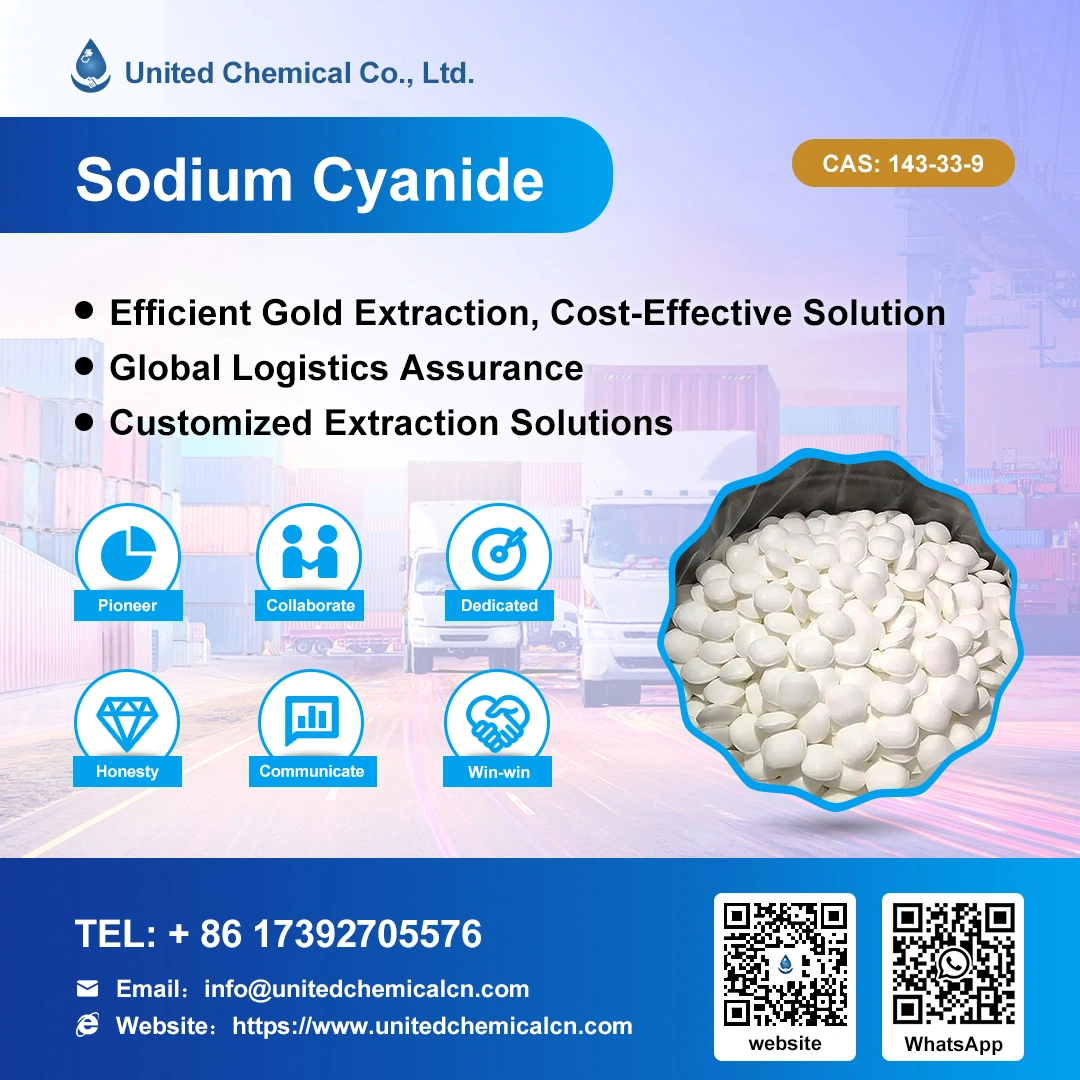
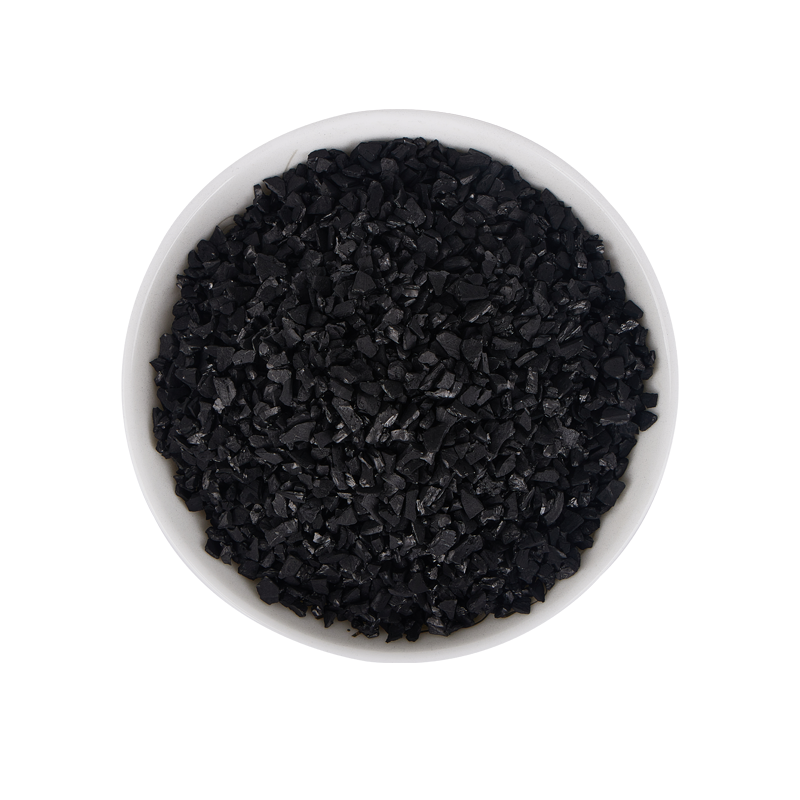
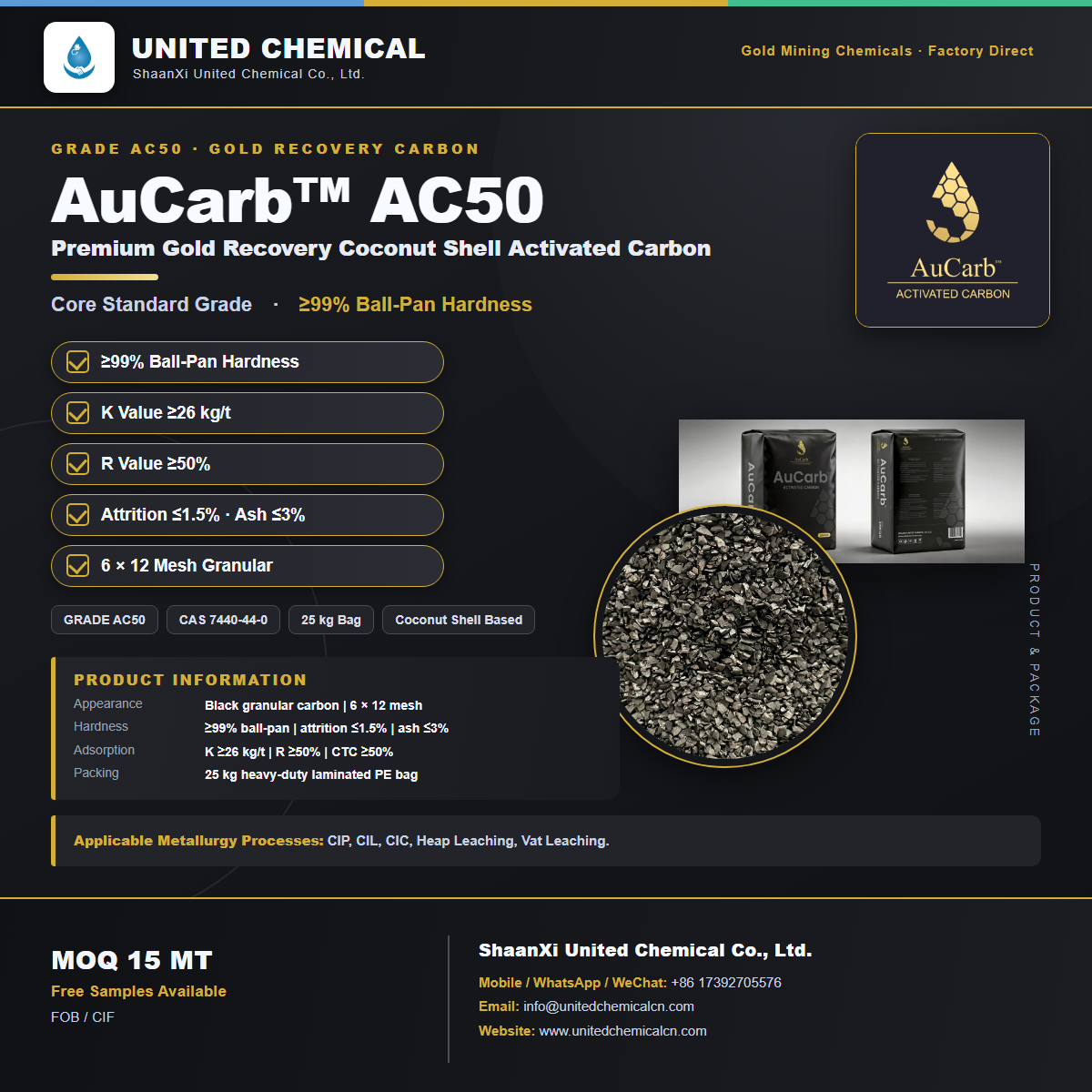
- Convert to FCL counts mā te whakamahi i te 18 MT mō te AuCyan™ Sodium Cyanide NaCN (≥98.3%), 15 MT mō te AuCarb™ Gold Recovery Coconut Shell Activated Waro (≥99% Hardness) me te 28 MT mō te AuLeach™ Gold Leaching Agent (GDA) – Kāore he Mōrearea.
- Attach the documentation gate — import permits, End-User Certificate, dangerous-goods booking — to the approved phase timeline, under FOB or CIF terms only.
Ko te putanga he rite ki tētahi kōpaki me ngā whakapae kua whakarārangitia. He pai ake tēnei ki tētahi tīma hokohoko i tētahi tau tino tika i hangaia i runga i ngā whakapae kāore i whakarārangitia.
4. Three products, three planning lines
| Raina whakamahere | Hua | PEA-stage variable |
|---|---|---|
| Tuhinga | AuCyan™ Konutai Cyanide NaCN (≥98.3%) | He pūmau te pepa rere? he turanga kg/t? he mekameka whakaaetanga? |
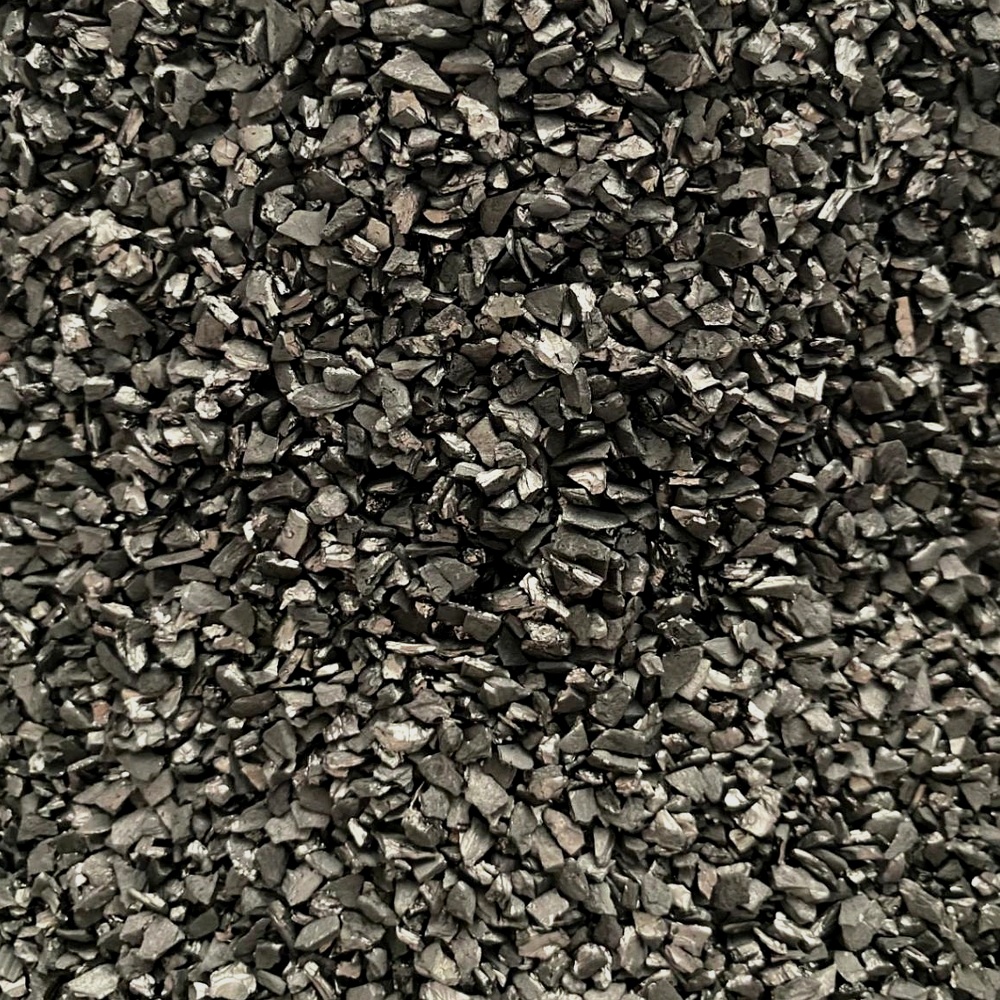
| Whakapohotanga | Waro Whakahohe Anga Kokonati AuCarb™ Whakaora Koura (≥99% Mārō) | Te rarangi waro, te mimiti ≤1.5%, te tapahi mata |
| huarahi kē | AuLeach™ Kaihoko Whakarewa Koura (GDA) – Kāore he Mōrearea | General-cargo option if permits bind; pH and dosage validation |
United Chemical e tuku tika ana i ngā wheketere e toru i raro i ngā tikanga FOB, CIF rānei me te COA puranga, TDS me MSDS, e mahi ana ki ngā mahi keri i roto i te neke atu i te 77 whenua. Kei te wātea ngā tauira whakamātautau taiwhanga kore utu mō AuCarb™ me AuLeach™ kia taea ai te tīmata te whakamana motuhake ki te konganuku i te wā o te rangahau.
5. Nga Rapu Uiui
P1. He aha te mea i panuitia i te 9 o Noema 2026?
An agreement with Newmont to contribute the Fourmile gold project to the Nevada Gold Mines joint venture.
Q2. What production range does the PEA outline?
Ko te toharite o te whakaputanga koura he 600,000 ki te 750,000 hekere i te tau.
P3. He aha te utu keri?
1.5–1.8 miriona tāne o te konganuku ia tau i ngā tere keri iti, e rite ana ki te mahi roa o raro whenua.
P4. He aha te whakatau tata mō te whakapaipai?
US$1.5–1.7 billion at PEA level, with US$360–430 million for the approved phase to mid-2030.
Q5. Has work already started?
Āe. Kei te haere tonu ngā mahi tuatahi, me te US$123 miriona i pau ki te keri, ki ngā rangahau me ngā mahi whakapaipai i ngā marama tuatahi e iwa o te tau 2026.
Q6. Can a PEA fix the reagent dosage?
No. It gives a production and tonnage range. Dosage still requires ore-specific bottle roll or column testing once the flowsheet is defined.
Q7. Why model the low and high ends separately?
Nā te mea he rerekē rawa ngā tana o te matū matū i waenga i te 1.5 me te 1.8 Mt/y, ā, ka huna te mōrearea hoko mai i te rohe o runga e te toharite.
Q8. Which sensitivity matters most?
Te kounga kua whakaorangia me te whakaoranga whakarewa: ka whakarerekētia e rāua te taumaha kua tukatukahia e hiahiatia ana mō tētahi hekere kua whakaritea.
P9. Ko ēhea tuhinga e whai wāhi ana ki te tina ara?
Ngā whakaaetanga kawemai kua manatokohia, he Tiwhikete Kaiwhakamahi Whakamutunga me ngā tuhinga taonga kino UN 1689 Akomanga 6.1, i mua i te wā whakaputa wheketere.
P10. Ko ēhea ngā Incoterms e pā ana?
Ka pā ngā tikanga FOB, CIF rānei.
Q11. Can validation start during the study phase?
Āe — Mā ngā tauira whakamātautau taiwhanga AuCarb™ me AuLeach™ ka taea te mahi motuhake ki te konganuku i mua i te whakatakotoranga o te ota FCL.
P12. Kei hea ngā whakatakotoranga hua e whakaputaina ana?
Kei ngā whārangi hangarau AuCyan™, AuCarb™ me AuLeach™ e hono ana i raro nei, me te COA puranga, TDS me te MSDS mō ia rota.
6. Ngā pūtake me ngā hononga ā-roto
AuCyan™ · Aratohu AuCarb™ · AC50 · AC55 · AC60 · BC1100 · AuLeach™ GDA · Tapatoru Koura · Tirohanga whānui mō ngā hua e toru · Ngā Pātai Auau mō ngā Matū · Ngā Pūrongo Ahumahi · Whakapā mai
Source note: project figures are drawn from the Barrick Mining update dated 9 November 2026. Reagent figures are United Chemical ngā raraunga hua. Kāore anō kia whakatauhia e te kaiwhakaputa he tau tono.
Whakapā mai · WhatsApp +86 173 9270 5576 · info@unitedchemicalcn.com
- Ihirangi Matapōkere
- Ihirangi wera
- Te ihirangi arotake wera
- Konutai Isobutyl Xanthate SIBX 90%
- Kua whakawhānuihia AN pahū
- He paanga taiao nga reagents flotation?
- Waikawa Oxalic Anhydrous 99.6% Koeke Ahumahi
- Te waikawa Etidronic | HEDP
- Te waikawa Sulfamic
- Konutai Dibutyldithiophosphate
- 1Ko te Sodium Cyanide kua whakahekehia (CAS: 143-33-9) mo te Maina - Kounga teitei me te Utu Whakataetae
- 2Konutai Cyanide 98.3% CAS 143-33-9 NaCN, he mea nui mō ngā ahumahi matū keri
- 3Nga Ture Hou a Haina mo te Kaweake i te Sodium Cyanide me te Arataki mo nga Kaihoko Ao
- 4Sodium Cyanide (CAS: 143-33-9) Tiwhikete kaiwhakamahi mutunga (Putanga Hainamana me te reo Ingarihi)
- 5Waehere Whakahaere - Paerewa Whakaaetanga Maina Koura
- 6Haina wheketere Waikawa Sulfuric 98%
- 7Waikawa Oxalic Anhydrous 99.6% Koeke Ahumahi
- 1Konutai Cyanide 98.3% CAS 143-33-9 NaCN, he mea nui mō ngā ahumahi matū keri
- 2Te Maamaa Teitei · Te Mahinga Pumau · Te Whakaora Teitei — te konutai cyanide mo te riihi koura hou
- 3United ChemicalKo te Rōpū Rangahau e whakaatu ana i te mana ma roto i nga tirohanga a te Raraunga
- 4AuCyan™ Konutai Cyanide Mahi-Teitei | 98.3% Parakore mō te Keri Koura o te Ao
- 5Mamati Hiko Detonator(Wā whakaroa 0~ 16000ms)
- 6Te Kaha-Teitei, Te Whakaputanga Tube Tube-Tiki
- 7ahumahi Detonator Hiko


Te whakawhitiwhiti korero i runga ipurangi
Tāpiri kōrero: