
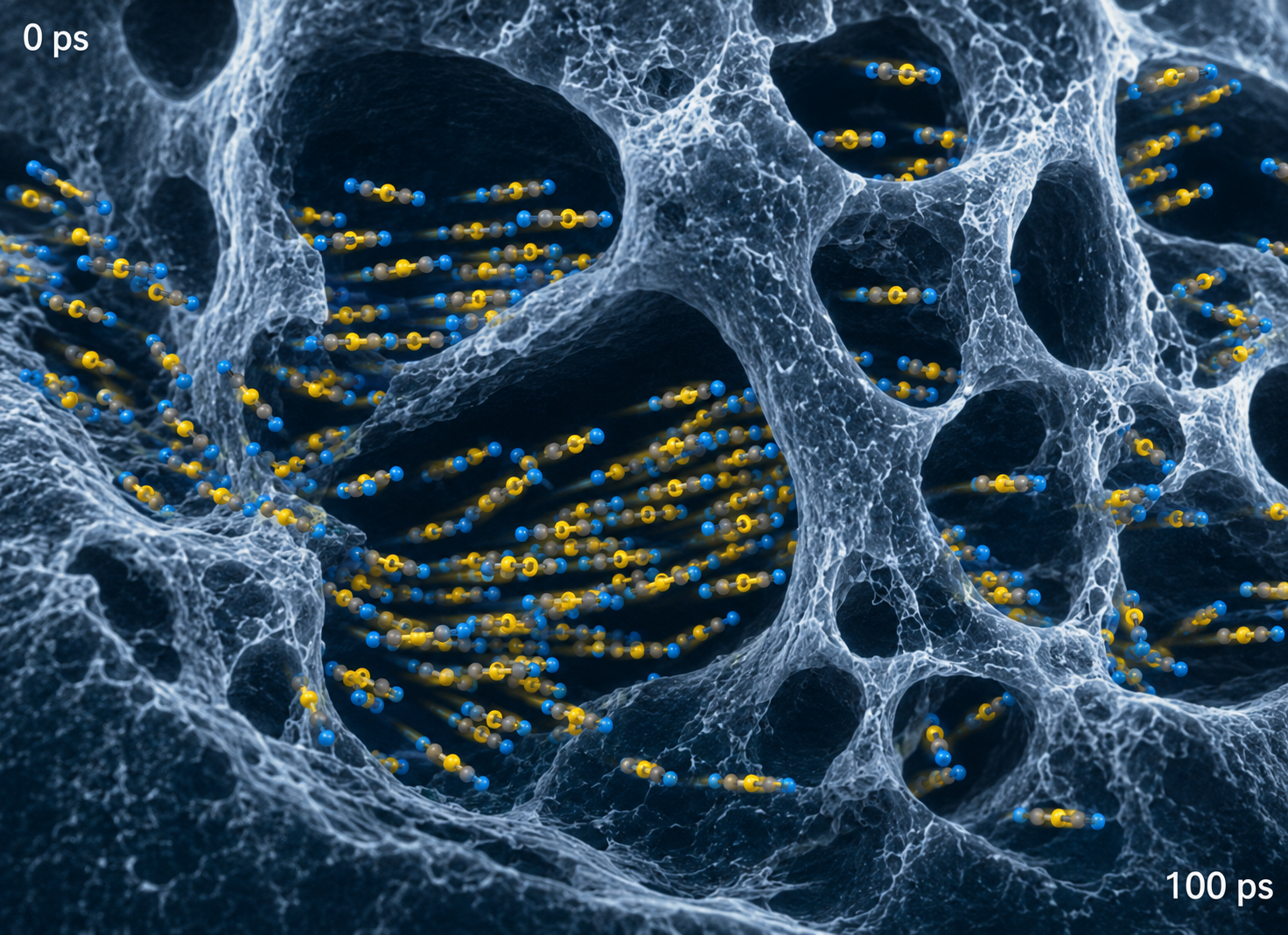
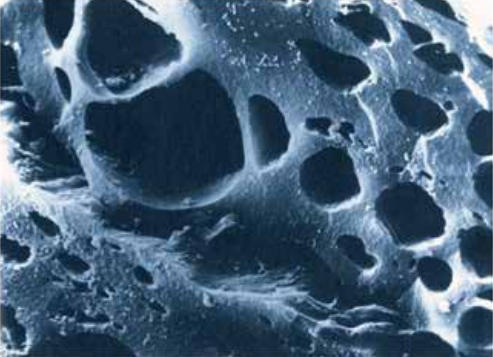
Activated Carbon is a highly porous organic material comprised of a series of graphitic plates, which are interconnected by carbon-carbon bonds. This creates a highly porous structure and gives an extensive internal surface area, where “adsorption” occurs. Adsorption is a surface reaction that causes compounds to “stick” to the surface of the carbon.
The phenomenon is the result of intermolecular attractions or forces inherent to the carbon surface. In gold recovery applications, adsorption forces remove gold from solutions and adhere the metal complex to the carbon surface.
Because the reaction occurs at the surface of the carbon, the adsorption process is relatively easy to reverse, a process called “desorption.” While it is important to maximize the adsorption of gold from the solution, it is equally as important to subsequently desorb the gold from the carbon. Any molecules that remain adsorbed after elution or stripping translate into gold that cannot be recovered. As a result, it is important to select an activated carbon that efficiently adsorbs and desorbs to maximize overall yield and profitability.
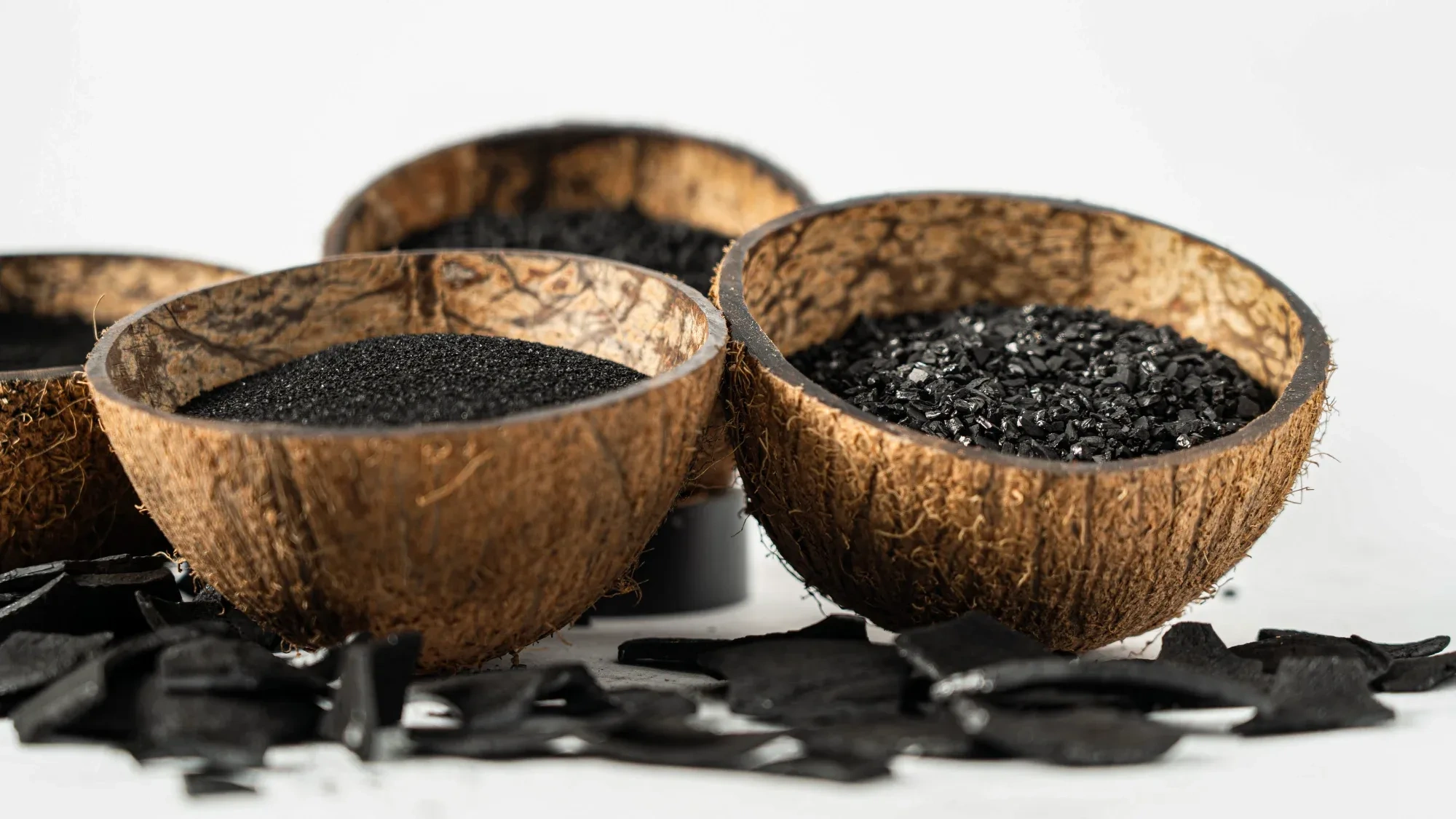
Activated carbon can be produced from a variety of different precursors, including coal, coconut, wood, and lignite, which are the primary materials used to make commercial-scale activated carbon. The starting material dictates the pore size distribution of the final activated carbon product. Typically, coconut is the precursor for gold recovery applications because of its tight pore structure, high activity pores, and hardness.
HOW ACTIVATED CARBON WORKS
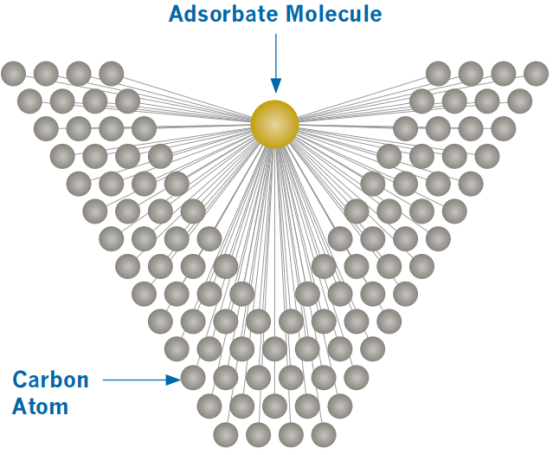
In physical adsorption, contaminants are adsorbed and held on the internal surface of activated carbon due to Van der Waals Forces of attraction between the carbon atom and the molecule. The force of attraction diminishes as the distance between the pore wall and the adsorbate molecule increases.
- Random Content
- Hot content
- Hot review content
- QUALITY MANAGEMENT SYSTEMCERTIFICATE
- Collector BLK-301/Composite Flotating Active Matter ≥60%
- IPETC 95%Metal sulfide mineral collector Z-200
- Plastic Shock Tube(VOD≧1600m/s)
- How do mining chemicals affect mineral recovery rates during flotation?
- Anhydrous Oxalic acid 99.6% Industrial Grade
- Alkyl Hydroxamic Acid 60%
- 1Discounted Sodium Cyanide (CAS: 143-33-9) for Mining - High Quality & Competitive Pricing
- 2Sodium Cyanide 98.3% CAS 143-33-9 NaCN gold dressing agent Essential for Mining Chemical Industries
- 3China's New Regulations on Sodium Cyanide Exports and Guidance for International Buyers
- 4Sodium Cyanide (CAS: 143-33-9) End user certificate (Chinese and English version)
- 5International Cyanide(Sodium cyanide) Management Code - Gold Mine Acceptance Standards
- 6China factory Sulfuric Acid 98%
- 7Anhydrous Oxalic acid 99.6% Industrial Grade
- 1Sodium Cyanide 98.3% CAS 143-33-9 NaCN gold dressing agent Essential for Mining Chemical Industries
- 2High Purity · Stable Performance · Higher Recovery — sodium cyanide for modern gold leaching
- 3United Chemical's Research Team Demonstrates Authority Through Data-Driven Insights
- 4AuCyan™ High-Performance Sodium Cyanide | 98.3% Purity for Global Gold Mining
- 5Digital Electronic Detonator(Delay time 0~ 16000ms)
- 6High-strength, High-precision Shock Tube Detonator
- 7industry Electric Detonator


Online message consultation
Add comment: