
A critical chemical study to understand the properties and applications of different chemicals
This article compares Sodium Cyanide with several common chemicals—Sodium Chloride, Sulfuric Acid, and Sodium Hydroxide. These substances are widely used in industries and laboratories, making their comparative analysis essential for proper selection and safe handling.
1. Chemical Properties
Sodium Cyanide
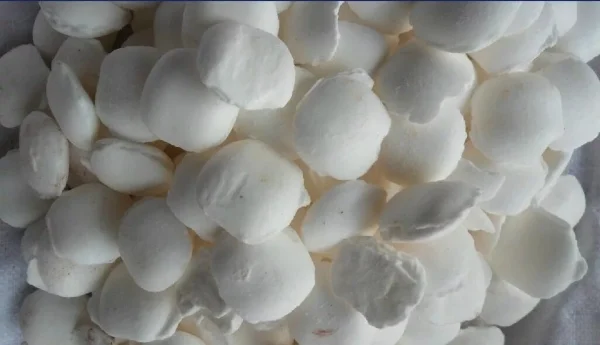
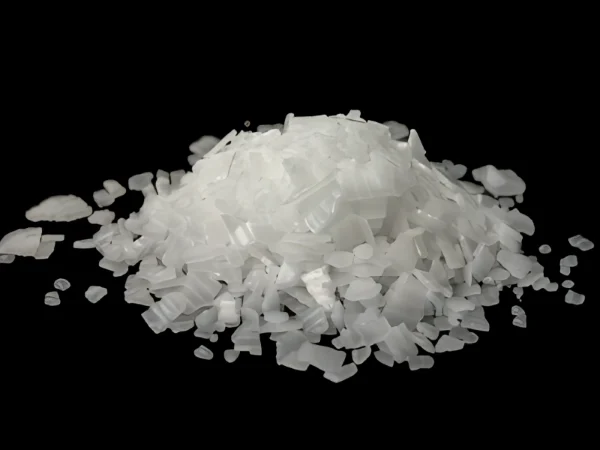
An inorganic salt with a white crystalline appearance.
Acts as a strong base, dissolving readily in water to produce sodium hydroxide.
Sodium Chloride
A salt compound (common table salt), vital in inorganic chemistry.
Forms white crystals and is highly soluble in water.
Sulfuric Acid
A strong inorganic acid, colorless to pale yellow in liquid form.
Extensively used in industrial and laboratory settings.
Sodium Hydroxide
A strong base, typically a white solid.
Highly soluble in water, forming alkaline solutions.
2. Chemical Reactions
Sodium Cyanide
Primarily used in organic synthesis (e.g., cyanidation reactions) for manufacturing organic compounds.
Sodium Chloride
Mainly used as a food seasoning and preservative, with applications in various laboratory reactions.
Sulfuric Acid
Employed in acid-base neutralization reactions and corrosive cleaning processes.
Sodium Hydroxide
Used in acid-base neutralization and the preparation of alkaline solutions.
3. Applications
Sodium Cyanide
Widely used in electroplating, organic synthesis, and metallurgical industries.
Sodium Chloride
Applied in food processing, snow melting, and water treatment.
Sulfuric Acid
Utilized in wastewater treatment, fertilizer production, and battery manufacturing.
Sodium Hydroxide
Used in soap production, pulp and paper manufacturing, and wastewater neutralization.
4. Safety Considerations
Sodium Cyanide
Highly toxic; requires careful handling to avoid inhalation or skin contact.
Sodium Chloride
Generally safe but excessive intake may lead to health issues like hypertension.
Sulfuric Acid
Corrosive; demands protective gear and proper storage.
Sodium Hydroxide
Corrosive; must be handled with caution to prevent skin/eye damage.
Conclusion
Sodium cyanide, sodium chloride, sulfuric acid, and sodium hydroxide are versatile chemicals with distinct properties and applications. Proper selection and safe handling are critical to ensuring operational efficiency and minimizing risks in industrial and laboratory environments.
- Random Content
- Hot content
- Hot review content
- Flexible Customer and Supplier Relations Specialist (: Indonesia)
- Powdery emulsion explosive
- Potassium Permanganate – Industrial Grade
- Anhydrous Ammonia 99% Liquid
- Citric acid-Food Grade
- Feed Grade 98.0% Calcium Formate
- Sodium alpha olefin sulfonate (AOS)
- 1Discounted Sodium Cyanide (CAS: 143-33-9) for Mining - High Quality & Competitive Pricing
- 2Sodium Cyanide 98.3% CAS 143-33-9 NaCN gold dressing agent Essential for Mining Chemical Industries
- 3China's New Regulations on Sodium Cyanide Exports and Guidance for International Buyers
- 4Sodium Cyanide (CAS: 143-33-9) End user certificate (Chinese and English version)
- 5International Cyanide(Sodium cyanide) Management Code - Gold Mine Acceptance Standards
- 6China factory Sulfuric Acid 98%
- 7Anhydrous Oxalic acid 99.6% Industrial Grade
- 1Sodium Cyanide 98.3% CAS 143-33-9 NaCN gold dressing agent Essential for Mining Chemical Industries
- 2High Purity · Stable Performance · Higher Recovery — sodium cyanide for modern gold leaching
- 3Nutritional Supplements Food Addictive Sarcosine 99% min
- 4Sodium Cyanide Import Regulations & Compliance – Ensuring Safe and Compliant Importation in Peru
- 5United Chemical's Research Team Demonstrates Authority Through Data-Driven Insights
- 6AuCyan™ High-Performance Sodium Cyanide | 98.3% Purity for Global Gold Mining
- 7Digital Electronic Detonator(Delay time 0~ 16000ms)






Online message consultation
Add comment: