
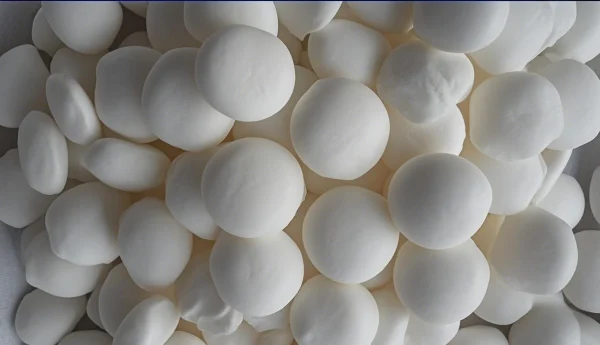
In the gold mining industry, the process of gold extraction is of utmost importance. Sodium cyanide has long been a key reagent in the gold leaching process. Understanding its advantages and disadvantages is crucial for both miners and environmentalists, as it helps in making informed decisions about its continued use and in exploring alternative methods.
1. Advantages of Sodium Cyanide in Gold Leaching
High Efficiency in Gold Dissolution
One of the most significant advantages of so
dum cyanide in gold leaching is its high efficiency in dissolving gold. Cyanide ions form stable complexes with gold ions. This allows for the extraction of gold from even low-grade ores. The chemical reaction between gold, oxygen, and sodium cyanide in an aqueous solution can be represented as:
4Au + 8NaCN + O₂ + 2H₂O → 4Na[Au(CN)₂] + 4NaOH. This reaction enables a relatively complete extraction of gold, maximizing the yield from mined ores.
Cost - Effectiveness
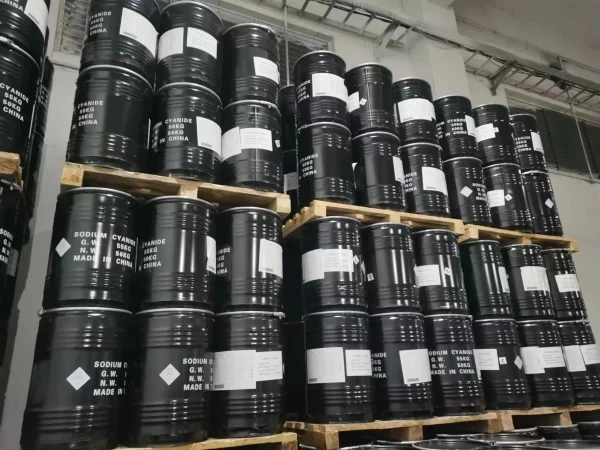
Sodium cyanide is cost - effective compared to many alternative leaching agents. Its production process is well - established, and it is readily available in large quantities. Mining companies can purchase Sodium Cyanide at a reasonable price, which is crucial for maintaining profitability, especially when dealing with large - scale operations. Additionally, the relatively simple equipment required for the cyanide leaching process further reduces costs.
Compatibility with Different Ore Types
Sodium cyanide can be used with a wide range of gold - bearing ores. Whether the ore is free - milling or contains complex sulfide minerals, cyanide leaching can often be optimized to extract gold. This flexibility makes it a preferred choice for many mining operations around the world, as it reduces the need for costly ore - specific processing techniques.
2. Disadvantages of Sodium Cyanide in Gold Leaching
Environmental Hazards
The most significant drawback of Sodium cyanide is its extreme toxicity. Cyanide is highly lethal to aquatic life, birds, and mammals. In the event of a cyanide spill at a mining site, it can contaminate nearby water sources, leading to the death of fish and other aquatic organisms. Even small amounts of cyanide in water can disrupt entire ecosystems. For example, cyanide can inhibit the function of cytochrome c oxidase in cells, preventing the normal use of oxygen in aerobic respiration.
Stringent Regulatory Requirements
Due to its toxicity, the use of sodium cyanide in gold mining is subject to strict regulations. Mining companies must invest in sophisticated waste management systems to prevent cyanide from entering the environment. They need to implement monitoring programs to ensure that cyanide levels in water and air are within acceptable limits. These regulatory requirements increase the operational costs of mining companies, as they must allocate resources to comply with the regulations.
Health Risks to Workers
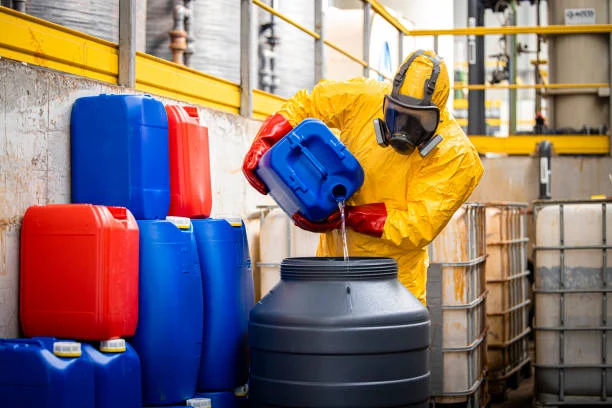
Workers involved in the gold leaching process using sodium cyanide are at risk of exposure. Inhalation or skin contact with cyanide can cause serious health problems, including headaches, dizziness, nausea, and in severe cases, death. Mining companies need to provide extensive safety training and personal protective equipment to their workers to minimize these risks. However, accidents can still occur, putting workers' lives at stake.
In conclusion, sodium cyanide offers distinct advantages in terms of efficiency, cost - effectiveness, and ore compatibility in the gold leaching process. However, its environmental hazards, strict regulatory requirements, and risks to worker health cannot be ignored. As the mining industry moves forward, there is a growing need to develop alternative leaching methods that are both environmentally friendly and economically viable, while maintaining the high - quality extraction standards currently achieved with sodium cyanide.
- Random Content
- Hot content
- Hot review content
- Sodiumsulfite Technical Grade 96%-98%
- Dodecylbenzenesulfonic acid
- lithium Carbonates 99.5% Battery Level or 99.2% Industry grade 99%
- Food grade Antioxidant T501 Antioxidant 264 Antioxidant BHT 99.5%
- Diethylene Glycol
- Sodium selenite,anhydrous 98%
- Ammonium Bisulfite 70% Solution
- 1Discounted Sodium Cyanide (CAS: 143-33-9) for Mining - High Quality & Competitive Pricing
- 2Sodium Cyanide 98.3% CAS 143-33-9 NaCN gold dressing agent Essential for Mining Chemical Industries
- 3China's New Regulations on Sodium Cyanide Exports and Guidance for International Buyers
- 4Sodium Cyanide (CAS: 143-33-9) End user certificate (Chinese and English version)
- 5International Cyanide(Sodium cyanide) Management Code - Gold Mine Acceptance Standards
- 6China factory Sulfuric Acid 98%
- 7Anhydrous Oxalic acid 99.6% Industrial Grade
- 1Sodium Cyanide 98.3% CAS 143-33-9 NaCN gold dressing agent Essential for Mining Chemical Industries
- 2High Purity · Stable Performance · Higher Recovery — sodium cyanide for modern gold leaching
- 3Nutritional Supplements Food Addictive Sarcosine 99% min
- 4Sodium Cyanide Import Regulations & Compliance – Ensuring Safe and Compliant Importation in Peru
- 5United Chemical's Research Team Demonstrates Authority Through Data-Driven Insights
- 6AuCyan™ High-Performance Sodium Cyanide | 98.3% Purity for Global Gold Mining
- 7Digital Electronic Detonator(Delay time 0~ 16000ms)





Online message consultation
Add comment: