
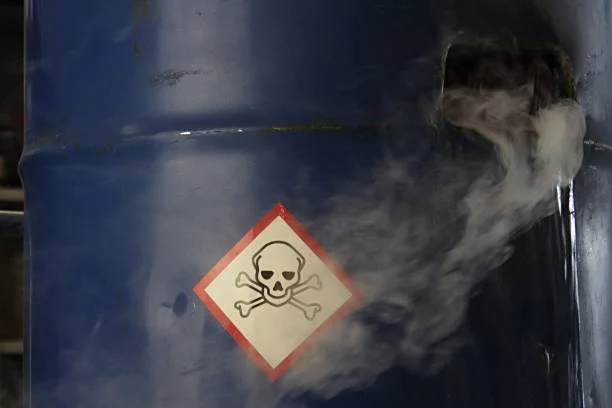
Sodium cyanide is a highly toxic compound widely used in various industrial processes, including gold mining, electroplating, and chemical synthesis. When exposed to moisture or acids, sodium cyanide can release hydrogen cyanide gas, which has a distinct bitter almond - like odor. The question of whether the smell of Sodium Cyanide is harmful is a crucial one, as it involves understanding the nature and behavior of this dangerous substance.
The Toxicity of Hydrogen Cyanide
The smell associated with Sodium cyanide is primarily due to the release of hydrogen cyanide gas. Hydrogen cyanide is an extremely poisonous gas that can rapidly enter the body through inhalation, ingestion, or absorption through the skin. Once inside the body, hydrogen cyanide binds to cytochrome oxidase in the cells, interfering with the normal process of cellular respiration. This prevents cells from using oxygen effectively, leading to a range of severe health effects.
Exposure to even low concentrations of hydrogen cyanide can cause symptoms such as headache, dizziness, nausea, vomiting, rapid breathing, and confusion. Higher concentrations can result in more serious symptoms, including convulsions, loss of consciousness, respiratory failure, and ultimately death. The odor threshold for hydrogen cyanide varies among individuals, and some people may not be able to detect the bitter almond smell at all, which makes relying solely on the smell for detection extremely dangerous.
Routes of Exposure
Inhalation is the most common and dangerous route of exposure to hydrogen cyanide released from sodium cyanide. In industrial settings where sodium cyanide is used, poor ventilation or accidental spills can lead to the release of significant amounts of hydrogen cyanide gas into the air. Even a small amount of sodium cyanide reacting with water or an acid in an enclosed space can create a life - threatening environment.
Skin contact with sodium cyanide or solutions containing it can also be hazardous. Sodium cyanide can be absorbed through the skin, and if the skin is wet or abraded, the rate of absorption increases. This can lead to systemic poisoning, as the cyanide enters the bloodstream and affects various organs. Ingestion of sodium cyanide, although less common in non - suicidal cases, can occur if proper safety procedures are not followed, for example, if food or beverages become contaminated with sodium cyanide in an industrial or laboratory setting.
Safety Precautions
Given the extreme toxicity of sodium cyanide and the associated hydrogen cyanide gas, strict safety precautions must be taken when handling this substance. Workers in industries that use sodium cyanide should be trained in proper handling techniques, including wearing appropriate personal protective equipment (PPE). This includes gas - tight suits, self - contained breathing apparatus (SCBA), and gloves to prevent inhalation, skin contact, and ingestion.
In addition, work areas where sodium cyanide is used should have excellent ventilation systems to quickly remove any released hydrogen cyanide gas. Emergency response plans should be in place, including procedures for evacuating the area in case of a spill or leak, and providing immediate medical treatment to exposed individuals. Laboratories and industrial facilities should also have proper storage facilities for sodium cyanide, ensuring it is kept away from sources of moisture and acids to prevent the release of hydrogen cyanide.
Conclusion
In conclusion, the smell of sodium cyanide is indeed harmful, as it indicates the release of the highly toxic hydrogen cyanide gas. Exposure to hydrogen cyanide can have severe and potentially fatal consequences for human health. Whether in an industrial, laboratory, or any other setting where sodium cyanide may be present, it is essential to be aware of the risks and take all necessary safety measures to prevent exposure. If you suspect exposure to sodium cyanide or hydrogen cyanide, seek immediate medical attention and evacuate the area to avoid further harm.
- Random Content
- Hot content
- Hot review content
- China factory Sulfuric Acid 98%
- Expanded AN explosive
- High-strength Shock tube(VOD≧2000m/s)
- Shock Tube Detonator
- Potassium Amyl Xanthate 90% PAX
- 99.5% min Ammonium Chloride For Industrial Use
- Anhydrous Ammonia 99% Liquid
- 1Discounted Sodium Cyanide (CAS: 143-33-9) for Mining - High Quality & Competitive Pricing
- 2Sodium Cyanide 98.3% CAS 143-33-9 NaCN gold dressing agent Essential for Mining Chemical Industries
- 3China's New Regulations on Sodium Cyanide Exports and Guidance for International Buyers
- 4Sodium Cyanide (CAS: 143-33-9) End user certificate (Chinese and English version)
- 5International Cyanide(Sodium cyanide) Management Code - Gold Mine Acceptance Standards
- 6China factory Sulfuric Acid 98%
- 7Anhydrous Oxalic acid 99.6% Industrial Grade
- 1Sodium Cyanide 98.3% CAS 143-33-9 NaCN gold dressing agent Essential for Mining Chemical Industries
- 2High Purity · Stable Performance · Higher Recovery — sodium cyanide for modern gold leaching
- 3Nutritional Supplements Food Addictive Sarcosine 99% min
- 4Sodium Cyanide Import Regulations & Compliance – Ensuring Safe and Compliant Importation in Peru
- 5United Chemical's Research Team Demonstrates Authority Through Data-Driven Insights
- 6AuCyan™ High-Performance Sodium Cyanide | 98.3% Purity for Global Gold Mining
- 7Digital Electronic Detonator(Delay time 0~ 16000ms)






Online message consultation
Add comment: