
intshayelelo
I-Sodium cyanide (NaCN) yikhemikhali enobungozi kakhulu neyingozi esetyenziswa kakhulu kumashishini afana nemigodi, i-electroplating, kunye nokuhlanganiswa kweekhemikhali. Ngenxa yobutyhefu bayo obugqithisileyo kunye nokuba yingozi enkulu kwimpilo yabantu nakwindalo esingqongileyo, iinkqubo ezingqongqo zokusebenza koKhuseleko kunye nezicwangciso ezisebenzayo zokuphendula ngexesha likaxakeka zibaluleke kakhulu xa kuphathwa le nto. Eli nqaku lijolise ekuboneleleni ngesishwankathelo esipheleleyo seenkqubo zokusebenza kokhuseleko kunye namanyathelo okuphendula ngexesha likaxakeka anxulumene ne -Sodium cyanide.
Iipropati zeSodium Cyanide
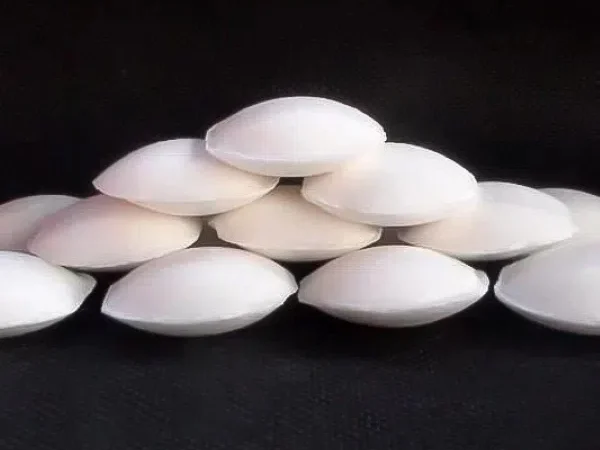
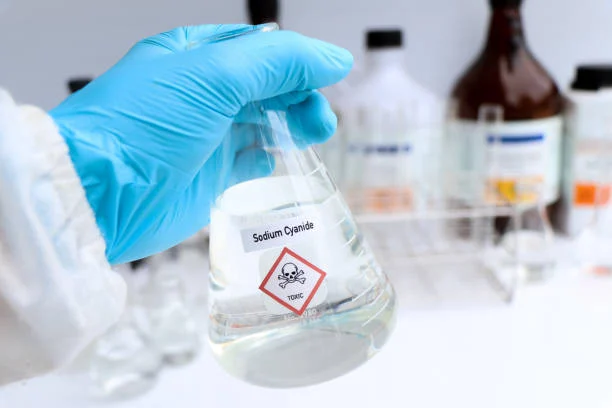
Isodium cyanide yikristale emhlophe eqinileyo kunye nealmondi epholileyo - njengevumba. Inyibilika kakhulu emanzini kwaye yenza isisombululo esinamandla sealkaline. Inetyhefu egqithisileyo, kwaye nokuba isixa esincinci sinokubulala xa sithe saginywa, sirholiwe, okanye sifunxeka eluswini. Indlela yobutyhefu bayo
ivuyiswe ngamandla ayo okuthintela umsebenzi we-cytochrome oxidase kwiiseli, ngaloo ndlela iphazamisa ukuphefumla kweselula kwaye ikhokelela kwiimpawu zetyhefu ngokukhawuleza.
Iinkqubo zokuSebenza ngoKhuseleko
yoGcino
Ukukhetha indawo: I-Sodium cyanide kufuneka igcinwe kwindawo yokugcina ebekelwe bucala, enomoya ococekileyo, eyahlukileyo kwezinye iikhemikhali, ingakumbi ii-asidi. Indawo yokugcina kufuneka ibekwe kwindawo engenazithuthi ezininzi kwaye kude nemithombo yokutsha, ubushushu kunye nokufuma.
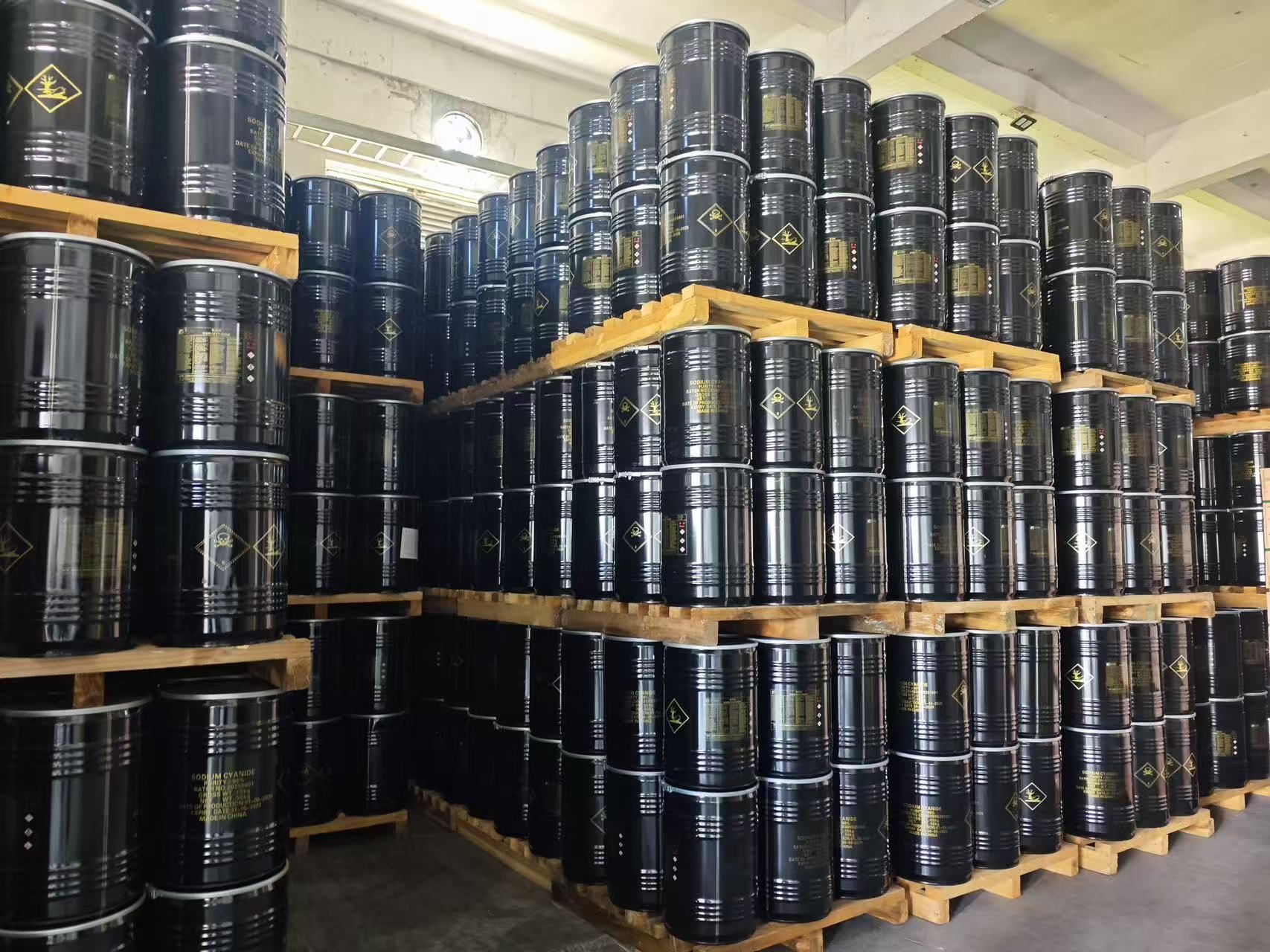
Iimfuneko zesikhongozeli: Kufuneka sigcinwe kwizikhongozeli ezivalwe ngokuqinileyo, ezingamelani nokugqwala ezenziwe ngezinto ezifana ne-polyethylene enobunzima obuphezulu okanye intsimbi enemigqumo efanelekileyo. Izikhongozeli kufuneka zibhalwe ngokucacileyo igama leekhemikhali, izilumkiso zengozi, kunye nemiyalelo yokuphatha.
Ulawulo lwempahla: Gcina uluhlu oluchanekileyo lwexabiso leSodium Cyanide egciniweyo. Jonga rhoqo izikhongozeli ukuze ubone iimpawu zokuvuza, ukugqwala, okanye umonakalo.
yokusingatha
Izixhobo zokuzikhusela zomntu (PPE): Abasebenzi abaphatha i-sodium cyanide kufuneka banxibe i-PPE efanelekileyo, kuquka iisuti ezivalekileyo ezimelana neekhemikhali, iiglavu ezenziwe ngezinto ezifana nerabha ye-butyl okanye irabha ye-nitrile, iiglasi zokhuseleko ezimelana neekhemikhali, kunye nezixhobo zokukhusela ukuphefumla. Ukhuseleko lokuphefumla kufuneka lube sisixhobo sokuphefumla esizimeleyo (SCBA) kwiimeko apho kukho umngcipheko wokuphefumla umsi okanye uthuli lwe-cyanide.
Iindlela zokuphatha: Xa uhambisa i-sodium cyanide, sebenzisa izixhobo ezifanelekileyo ezifana nee-scoopers okanye ii-funnels ezenziwe ngezinto ezingashukumiyo. Kuphephe ukuvelisa uthuli ngexesha lokuphatha, njengoko amasuntswana aphuma emoyeni anokuphefumlwa lula. Ungaze usebenzise izandla ezingenanto ukuchukumisa ikhemikhali. Yonke imisebenzi mayiqhutywe kwindawo enomoya opholileyo okanye kwindawo enomoya ophumayo osebenzayo.
Ukuthintela ukuchitheka: Ngaphambi kokuba uqale naluphi na umsebenzi wokuphatha, qiniseka ukuba indawo yokusebenza ixhotyiswe ngezinto zokulawula ukuchitheka ezifana neepadi zokufunxa, isanti, okanye izinto zokuthomalalisa. Yiba nesicwangciso sokuthintela ukuchitheka kwaye wazi indawo yeendawo zokuhlamba amehlo ezingxamisekileyo kunye neeshawa zokhuseleko.
uthutho
Iimfuno zesithuthi: I-sodium cyanide kufuneka ithuthwe kwizithuthi eziyilelwe kwaye zivunyiweyo zokuthutha izinto eziyingozi. Izithuthi kufuneka zixhotyiswe ngeenkqubo ezifanelekileyo zokungenisa umoya, izixhobo zokuthintela ukuchitheka, kunye neempawu zokhuseleko.
Amaxwebhu: Lonke uthutho lwe-sodium cyanide kufuneka luhambisane namaxwebhu aneenkcukacha, kuquka igama lekhemikhali, ubungakanani, imvelaphi, indawo ekuyiwa kuyo, kunye nolwazi loqhagamshelwano olungxamisekileyo. Indlela yothutho kufuneka icwangciswe ngononophelo ukuze kuthintelwe iindawo ezinabantu abaninzi kunye neendawo ezinee-receptors ezibuthathaka zokusingqongileyo.
Amanyathelo okuPhendula ngokuNgxamisekileyo
Kwimeko yokuvuza okanye ukuchitheka
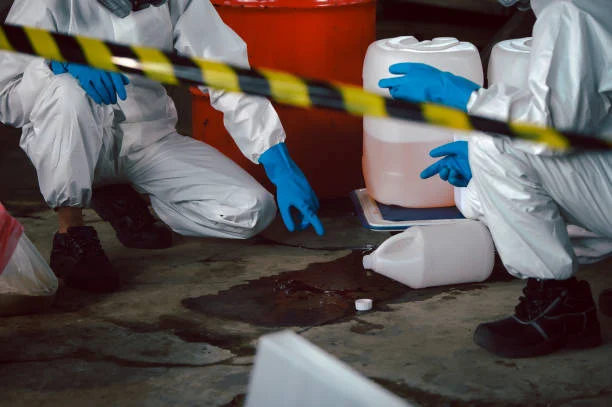
Ukuphuma: Bakhuphe bonke abasebenzi abangengobalulekanga kuloo ndawo ngoko nangoko. Misa umda ojikeleze indawo echithekileyo ukuze uthintele ukungena okungavumelekanga.
Ukuthintela: Sebenzisa izixhobo zokulawula ukuchitheka ukuze uthintele ukusasazeka kwe-sodium cyanide echithekileyo. Izinto ezifunxayo zingasetyenziselwa ukufunxa ulwelo oluchithekileyo, ngelixa isanti okanye ezinye izinto ezingasebenziyo zingasetyenziselwa ukugquma ukuchitheka okuqinileyo. Musa ukusebenzisa amanzi ukuhlamba ukuchitheka, kuba oku kunokubangela ukwakheka kwegesi ye-hydrogen cyanide, enobungozi kakhulu.
Ukungangenisi: Kwizinto ezincinci ezichithekileyo, i-arhente yokungangenisi amanzi efana ne-sodium hypochlorite ingasetyenziselwa ukuguqula i-sodium cyanide ibe zizinto ezingenabungozi kangako. Nangona kunjalo, oku kufanele kwenziwe kuphela ngabasebenzi abaqeqeshiweyo abalandela iinkqubo zokhuseleko ezifanelekileyo.
Ukucoca: Emva kokunciphisa ukungcola, coca ngononophelo izinto ezichithekileyo uze uzibeke kwizikhongozeli ezifanelekileyo, ezineeleyibhile ukuze zilahlwe. Indawo yokucoca kufuneka isuswe ngokupheleleyo, kwaye zonke izixhobo zokucoca kunye nezixhobo ezisetyenziswa kwinkqubo yokucoca kufuneka zicocwe kakuhle kwaye zisuswe ngokupheleleyo.
Kwimeko yetyhefu
Uncedo lokuqala: Ukuba umntu urhanelwa ukuba utyhefwe yi-sodium cyanide, msuse ngoko nangoko umntu onesifo kwindawo engcolileyo umse emoyeni omtsha. Ukuba ikhemikhali idibene nolusu, susa impahla engcolileyo uze uhlambe ulusu ngamanzi amaninzi ubuncinane imizuzu eli-15. Ukuba amehlo achaphazelekile, wahlambe ngamanzi amaninzi ubuncinane imizuzu eli-15. Musa ukumbangela ukuba ahlanze.
Unyango lwezonyango: Fowunela iinkonzo zonyango ezingxamisekileyo ngoko nangoko. Ixhoba linokufuna unyango olunemithi yokulwa nezifo efana ne-hydroxocobalamin okanye i-sodium nitrite/sodium thiosulfate. Unyango olukhawulezileyo lubalulekile ukuze umntu onetyhefu asinde.
Umlilo obandakanya i-sodium cyanide
Indlela yokulwa nomlilo: Sebenzisa izicima-mlilo ezomileyo, isanti, okanye izicima-mlilo zeCarbon dioxide ukulwa nomlilo oquka i-sodium cyanide. Musa ukusebenzisa amanzi, njengoko anokusabela kwi-sodium cyanide ukuvelisa igesi ye-hydrogen cyanide. Abacimi-mlilo kufuneka banxibe i-PPE epheleleyo, kuquka i-SCBA, baze basondele emlilweni besuka emoyeni.
Uvavanyo lwengozi: Jonga umoya ukuze ubone ukuba kukho igesi ye-hydrogen cyanide ngexesha lomlilo nasemva kwawo. Susa iindawo ezikufutshane ukuba ubuninzi begesi budlula amanqanaba akhuselekileyo. Emva kokuba umlilo ucinyiwe, jonga ngononophelo umonakalo kwaye ucoce naziphi na iintsalela ngokuhambelana nemigaqo yokusingqongileyo.
Uqeqesho neMfundo
Bonke abasebenzi abanokuthi badibane ne-sodium cyanide, kubandakanywa nabasebenzi kwimveliso, ukugcinwa, ukuthutha, kunye namaqela okuphendula ngokukhawuleza, kufuneka bafumane uqeqesho oluqhelekileyo kwiipropati, iinkqubo zokusebenza zokhuseleko, kunye neendlela zokuphendula ngokukhawuleza ezinxulumene ne-sodium cyanide. Uqeqesho kufuneka lubandakanye izandla - ukuziqhelanisa nokuphatha ukuchitheka, ukusebenzisa iPPE, kunye nokubonelela ngoncedo lokuqala. Iirekhodi zoqeqesho kufuneka zigcinwe ukuqinisekisa ukuthotyelwa.
isiphelo
I-sodium cyanide yikhemikhali efuna inqanaba eliphezulu lokulumkisa kunye nokuthotyelwa okungqongqo kwiinkqubo zokhuseleko. Ngokulandela iiprothokholi ezifanelekileyo zokugcinwa, ukuphatha, kunye nokuthutha, kunye nezicwangciso ezisebenzayo zokuphendula ngokukhawuleza, iingozi ezinxulumene ne-sodium cyanide zingancitshiswa. Uqeqesho rhoqo kunye nokufundiswa kwabasebenzi kubalulekile ukuqinisekisa indawo yokusebenza ekhuselekileyo kunye nokukhusela impilo yabantu kunye nokusingqongileyo kwiingozi ezinokubakho zale khemikhali inetyhefu kakhulu.
- Umxholo ongaqhelekanga
- Umxholo oshushu
- Umxholo wophononongo oshushu
- I-Element yokuLibazisa echanekileyo ( 25ms- 10000ms)
- Plastic Shock Tube (VOD≧1600m/s)
- Thiourea 99% umsebenzi ophezulu uMvelisi oyiNgcali
- Ndingayikhetha njani i-reagent ye-flotation efanelekileyo?
- I-sodium Tripolyphosphate
- I-Calcium hydroxide Industrial Grade 90%
- I-Sodium Diisobutyl Dithiophosphate/Dithiophosphate 49% - 53%
- 1I-Sodium Cyanide enesaphulelo (i-CAS: 143-33-9) kwiMigodi - uMgangatho oPhezulu kunye neXabiso lokuKhuphisana
- 2I-Sodium Cyanide 98.3% CAS 143-33-9 I-arhente yokugquma yegolide ye-NaCN Essential for Mining Chemical Industries
- 3Imithetho emitsha yaseTshayina kwi-Sodium Cyanide Exports kunye neSikhokelo kubathengi bamazwe ngamazwe
- 4I-Sodium Cyanide (CAS: 143-33-9) Isatifiketi somsebenzisi wokugqibela (inguqulelo yesiTshayina nesiNgesi)
- 5I-Cyanide yaMazwe ngaMazwe (iSodium cyanide) IKhowudi yoLawulo-IMigangatho yoKwamkelwa koMgodi weGolide
- 6Umzi-mveliso waseTshayina we-Sulfur Acid 98%
- 7I-Anhydrous Oxalic acid 99.6% iBanga loShishino
- 1I-Sodium Cyanide 98.3% CAS 143-33-9 I-arhente yokugquma yegolide ye-NaCN Essential for Mining Chemical Industries
- 2Ukucoceka okuPhezulu · Ukusebenza okuZinzileyo · UBuyiselo obuPhezulu — isodium cyanide yokukhutshwa kwegolide yanamhlanje
- 3United Chemical's Iqela loPhando Libonisa iGunya Ngokusebenzisa iDatha-Driven Insights
- 4I-AuCyan™ I-Sodium Cyanide Esebenza Kakhulu | Ubumsulwa be-98.3% kwiMigodi yeGolide yeHlabathi
- 5I-Digital Electronic Detonator (ixesha lokulibazisa 0~ 16000ms)
- 6Amandla aphezulu, i-High-precision Shock Tube Detonator
- 7ishishini Isitshixo soMbane






Ukudibana komyalezo kwi-Intanethi
Yongeza uluvo: