
Sodium Cyanide (NaCN) is a compound renowned for its high toxicity and is frequently utilized in industries such as mining, electroplating, and chemical synthesis. Given its hazardous nature, understanding its behavior, especially the potential for direct volatilization into the air, is of utmost importance for safety and environmental protection.
Chemical Properties of Sodium Cyanide
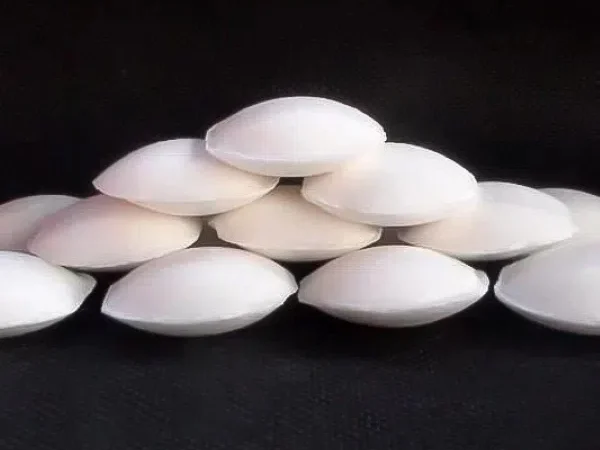
Sodium cyanide is a white, crystalline solid with a high melting point of 563.7 °C and a boiling point of 1496 °C. Under normal ambient conditions, typically characterized by temperatures ranging from 20 - 25 °C and standard atmospheric pressure, it exists in a solid state. From a basic thermodynamic perspective, substances generally require energy input to transition from a solid or liquid state to a gaseous state (volatilization). Since the ambient temperature is far below the boiling point of sodium cyanide, it does not readily convert into a gas spontaneously under normal circumstances.
Factors Affecting Volatilization
However, the stability of Sodium Cyanide can be affected by various factors. One significant factor is its reaction with water and acids. When Sodium cyanide comes into contact with water, it hydrolyzes to form hydrogen cyanide (HCN), a highly volatile and extremely toxic gas. The chemical reaction can be represented as follows:

The equilibrium of this reaction is influenced by the pH of the solution. In acidic environments, the reaction is more likely to proceed in the forward direction, promoting the formation of HCN. For example, if sodium cyanide is exposed to acidic rain or acidic industrial wastewater, a rapid generation of HCN gas may occur, which then volatilizes into the air.
Another factor is temperature elevation. Although ambient temperatures are insufficient to cause direct volatilization of sodium cyanide itself, in industrial accidents or improper storage situations where local temperatures may rise significantly, the kinetic energy of sodium cyanide molecules increases. This could potentially lead to an increased rate of hydrolysis reactions and, consequently, a higher likelihood of HCN formation and volatilization.
Safety and Environmental Implications
The potential for the formation and volatilization of HCN from sodium cyanide has significant safety and environmental implications. In the workplace, if sodium cyanide is not properly stored or handled, accidental exposure to moisture or acids could result in the release of HCN gas, posing a severe threat to the health of workers. Symptoms of HCN exposure can range from mild respiratory distress and dizziness to life - threatening situations such as cardiac arrest and coma.
In the environment, the release of HCN from sodium cyanide can contaminate air, soil, and water bodies. It can harm various organisms, disrupt ecosystems, and accumulate in the food chain, further exacerbating the environmental damage.
Prevention and Mitigation
To prevent the volatilization - related risks of sodium cyanide, strict safety protocols must be adhered to. Sodium cyanide should be stored in a dry, cool, and well - ventilated area, away from sources of moisture and acids. In industrial applications, proper handling procedures, including the use of appropriate personal protective equipment (PPE) and the installation of gas detection systems, are essential. In case of a spill or accidental release, immediate containment measures should be taken, and neutralization with appropriate alkaline solutions may be necessary to prevent the formation of HCN.
In conclusion, while sodium cyanide does not directly volatilize into the air under normal ambient conditions, it can indirectly lead to the release of volatile and toxic HCN gas through hydrolysis reactions under specific circumstances such as contact with water or acids, or elevated temperatures. Understanding these mechanisms is crucial for ensuring the safe handling, storage, and use of sodium cyanide, as well as for protecting human health and the environment.
- Random Content
- Hot content
- Hot review content
- Acetone
- calcium chloride anhydrous for food
- Sodium Metasilicate Pentahydrate
- Maleic Anhydride - MA
- lithium Carbonates 99.5% Battery Level or 99.2% Industry grade 99%
- Pharmaceutical Intermediate Glycine with High Quality 99%
- Calcium Chloride 74% Flakes
- 1Discounted Sodium Cyanide (CAS: 143-33-9) for Mining - High Quality & Competitive Pricing
- 2Sodium Cyanide 98.3% CAS 143-33-9 NaCN gold dressing agent Essential for Mining Chemical Industries
- 3China's New Regulations on Sodium Cyanide Exports and Guidance for International Buyers
- 4Sodium Cyanide (CAS: 143-33-9) End user certificate (Chinese and English version)
- 5International Cyanide(Sodium cyanide) Management Code - Gold Mine Acceptance Standards
- 6China factory Sulfuric Acid 98%
- 7Anhydrous Oxalic acid 99.6% Industrial Grade
- 1Sodium Cyanide 98.3% CAS 143-33-9 NaCN gold dressing agent Essential for Mining Chemical Industries
- 2High Purity · Stable Performance · Higher Recovery — sodium cyanide for modern gold leaching
- 3Nutritional Supplements Food Addictive Sarcosine 99% min
- 4Sodium Cyanide Import Regulations & Compliance – Ensuring Safe and Compliant Importation in Peru
- 5United Chemical's Research Team Demonstrates Authority Through Data-Driven Insights
- 6AuCyan™ High-Performance Sodium Cyanide | 98.3% Purity for Global Gold Mining
- 7Digital Electronic Detonator(Delay time 0~ 16000ms)





Online message consultation
Add comment: