
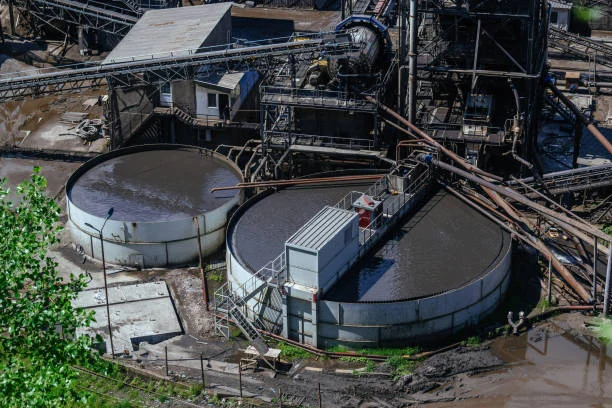
Cyanide leaching has been a cornerstone in the extraction of gold and silver from mineral ores since its industrial implementation in 1887. This process hinges on a delicate balance of various chemical and environmental factors, with the pH value of the solution standing out as a parameter of utmost importance.
The Chemical Rationale Behind pH in Cyanide Leaching
Cyanide, typically in the form of Sodium Cyanide (NaCN) or potassium cyanide (KCN), serves as the primary leaching agent. However, its interaction with gold and silver is highly influenced by the pH level. Cyanide exists in an equilibrium with hydrogen cyanide (HCN), a highly toxic and volatile compound. In an acidic environment (low pH), the chemical balance shifts towards the formation of HCN gas. This not only poses severe safety risks but also reduces the availability of free cyanide ions, which are necessary for dissolving gold and silver.
For efficient gold and Silver extraction, the solution must be kept in an alkaline state. When the pH is high, cyanide predominantly remains in its ionic form, allowing it to form stable complexes with gold and silver. During the leaching process, hydroxide ions are produced, further contributing to the alkalinity of the solution.
Determining the Optimal pH Range
Numerous studies and industrial practices have identified an optimal pH range for Cyanide leaching. Generally, a pH value above 10.5 is considered essential, and most operations aim to maintain the pH between 11 and 12. Here’s why:
Maximizing Gold Dissolution: At a pH within this range, the rate of gold dissolution is optimized. Deviating from this range can lead to a significant decrease in extraction efficiency. For example, if the pH drops below 10.5. the formation of HCN gas reduces the concentration of free cyanide ions, slowing down the reaction with gold.
Minimizing Cyanide Consumption: Cyanide consumption is closely related to the pH level. Lower pH values can cause increased cyanide usage as the cyanide becomes less efficient at forming complexes. By maintaining a high pH, the stability of cyanide complexes is ensured, reducing unnecessary Cyanide consumption.
Safety Considerations: From a safety perspective, keeping the pH above 10.5 is crucial. HCN gas is extremely toxic, and even small amounts can be lethal. By controlling the pH within the recommended range, the formation of this dangerous gas is minimized, safeguarding the health and safety of workers in mining and extraction facilities.
Factors Influencing the Optimal pH
Ore Composition: Different ores may contain various impurities and minerals that can affect the optimal pH. For instance, ores with high sulfur content may require a slightly different pH adjustment, as sulfur - containing compounds can react with the cyanide solution and influence the overall chemical environment.
Temperature: The temperature of the leaching process can also impact the optimal pH. As temperature changes, the solubility of oxygen and the rate of chemical reactions are altered. Generally, as the temperature increases, the self - hydrolysis of cyanide increases, and the solubility of oxygen decreases. This may necessitate a slight adjustment in the pH to maintain optimal leaching conditions. However, most cyanide leaching processes are carried out at ambient temperatures (around 15 - 30 °C) to avoid excessive cyanide decomposition and oxygen loss.
Methods for pH Control
Lime (CaO) and Caustic Soda (NaOH): These are the most commonly used reagents for adjusting and maintaining the pH in cyanide leaching. Lime, when added to water, forms calcium hydroxide, which reacts with acidic components in the solution to increase the pH. Caustic soda (NaOH), a strong base, can also be used to raise the pH quickly. The choice between the two depends on factors such as cost, availability, and the specific requirements of the ore being processed.
pH Sensors: To ensure precise pH control, modern mining operations rely on advanced pH sensors. These sensors can continuously monitor the pH of the leaching solution and provide real - time data. Based on this data, operators can adjust the addition of pH - controlling reagents to maintain the optimal pH range.
In conclusion, the optimal pH value for cyanide leaching lies in the range of 11 - 12. This value is determined by a combination of chemical reactions, safety requirements, and the need for efficient gold and silver extraction. By carefully controlling the pH and other parameters, mining companies can maximize the recovery of precious metals while minimizing environmental and safety risks.
- Random Content
- Hot content
- Hot review content
- Calcium Peroxide 60% Assay Yellowish Tablet
- Toluene
- Anhydrous Ammonia 99% Liquid
- Fertilizer magnesium sulfate/magnesium sulfate monohydrate
- lithium Carbonates 99.5% Battery Level or 99.2% Industry grade 99%
- Lithium hydroxide 99% Solid
- Calcium Chloride 74% Flakes
- 1Discounted Sodium Cyanide (CAS: 143-33-9) for Mining - High Quality & Competitive Pricing
- 2Sodium Cyanide 98.3% CAS 143-33-9 NaCN gold dressing agent Essential for Mining Chemical Industries
- 3China's New Regulations on Sodium Cyanide Exports and Guidance for International Buyers
- 4Sodium Cyanide (CAS: 143-33-9) End user certificate (Chinese and English version)
- 5International Cyanide(Sodium cyanide) Management Code - Gold Mine Acceptance Standards
- 6China factory Sulfuric Acid 98%
- 7Anhydrous Oxalic acid 99.6% Industrial Grade
- 1Sodium Cyanide 98.3% CAS 143-33-9 NaCN gold dressing agent Essential for Mining Chemical Industries
- 2High Purity · Stable Performance · Higher Recovery — sodium cyanide for modern gold leaching
- 3Nutritional Supplements Food Addictive Sarcosine 99% min
- 4Sodium Cyanide Import Regulations & Compliance – Ensuring Safe and Compliant Importation in Peru
- 5United Chemical's Research Team Demonstrates Authority Through Data-Driven Insights
- 6AuCyan™ High-Performance Sodium Cyanide | 98.3% Purity for Global Gold Mining
- 7Digital Electronic Detonator(Delay time 0~ 16000ms)




Online message consultation
Add comment: