
I-Sodium cyanide , ikhompawundi enobungozi kakhulu, ibeka umngcipheko omkhulu kungekuphela nje kwimpilo yabantu kodwa nakwimfuyo. Amandla ayo okwenzakalisa adla ngokuthathwa kancinci, ngakumbi kwiindawo zezolimo apho kukho khona imfuyo. Eli nqaku liza kujonga imiphumo ye- Sodium Cyanide kwiintlobo ngeentlobo zezilwanyana, iimeko apho kwenzeka khona ityhefu, kunye namanyathelo afanelekileyo okunciphisa iingozi ezinxulumene nokusetyenziswa kwayo kunye nokuthuthwa kwayo.
Ukuqonda ubutyhefu beCyanide
I-Cyanide yityhefu enamandla enokuthi ifunwe ngephecana lokuphefumla okanye ulusu, olukhokelela kwimiphumo ekhawulezayo yenkqubo. Nje ukuba ityiwe, igalelwa kwihydrogen cyanide esiswini, ethi emva koko ifunxeke egazini. Amanani abulalayo e-cyanide ahluka phakathi kweentlobo ezahlukeneyo zemfuyo, egxininisa imfuno yokwazisa phakathi kwamafama kunye nabasebenzisi bezityalo zemichiza.
Iinkomo: Umlinganiselo obulalayo we-cyanide kwiinkomo uphakathi kwe-0.39 ukuya kwi-0.92 grams.
Iigusha: Kwizimvu, idosi ebulalayo iphantsi kakhulu, iphakathi kwe-0.04 ukuya kwi-0.10 grams, kunye nedosi enobuthi eyi-1.05 mg/kg ubunzima bomzimba.
Amahashe: Amahashe nawo asengozini, kwaye anomlinganiselo obulalayo omalunga ne-0.39 grams.
Izinja: Nezilwanyana zasekhaya zisengozini, kwaye zinomlinganiselo obulalayo ophakathi kwe-0.03 ukuya kwi-0.04 grams.
La manani agxininisa imfuneko ebalulekileyo yokuqaphela kwiindawo apho kukho i-cyanide.
Iziganeko zokutyhefwa kwemfuyo
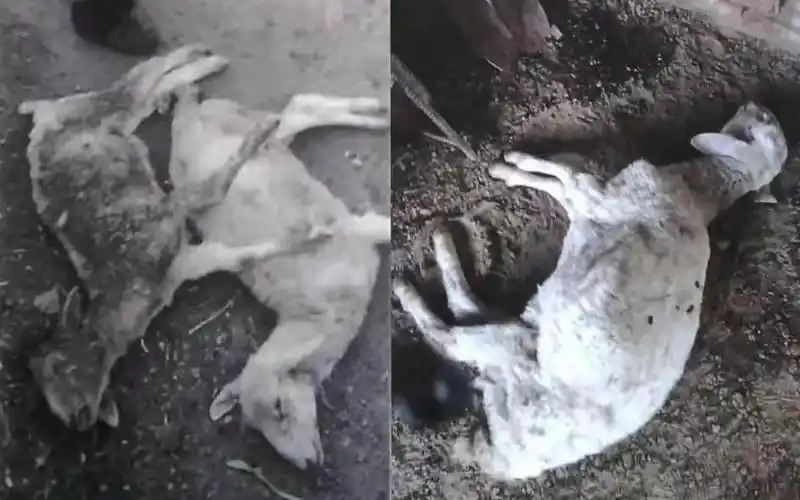
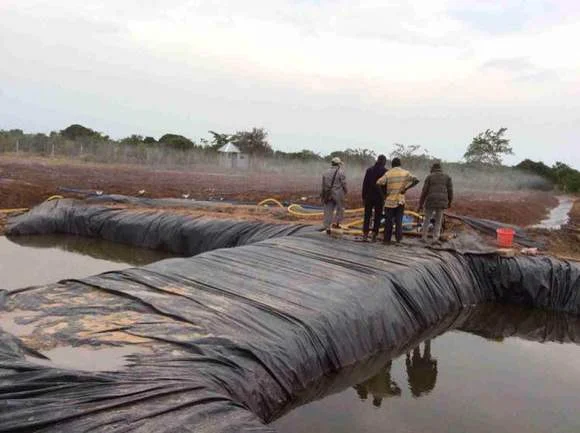
Kukho amatyala amaninzi abhaliweyo okutyhefa imfuyo ngenxa yokusela amanzi amdaka ane-cyanide. Oku kwenzeka rhoqo xa amanzi agcwele i-cyanide evuza kwiindawo ezisezantsi, nto leyo edala amachibi apho imfuyo, njengeenkomo neegusha, inokusela khona. Iziphumo zinokuba zimbi kakhulu, nto leyo ekhokelela ekutyhefeni ngokukhawuleza nasekufeni.
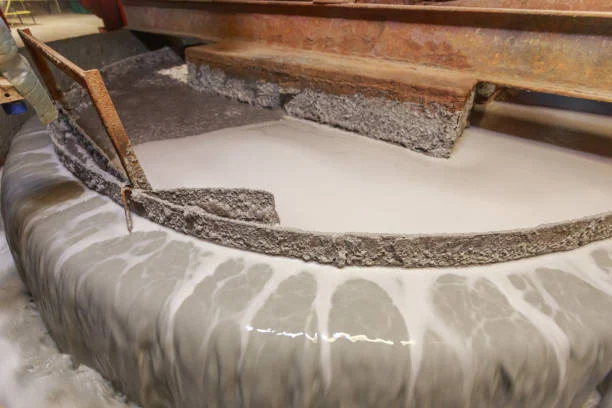
Kwimisebenzi yezolimo eqhelekileyo, amanzi amdaka ane-cyanide ayaphathwa ukuqinisekisa ukuba amanqanaba ecyanide ayancitshiswa abe yimida ekhuselekileyo. Nangona kunjalo, ukusilela kulawulo, ukungonelanga koyilo lwendawo yonyango, okanye ukunqongophala kokuphathwa kweekhemikhali okufanelekileyo kunokukhokelela ekukhutshelweni kwamanzi amdaka anoxinzelelo oluphezulu lwecyanide. Ukungakhathali okunjalo kunokukhokelela kwimiphumo eyintlekele kwimfuyo.
Amanyathelo oThintelo kunye neMigaqo yoKhuseleko
Ukukhusela imfuyo nokuqinisekisa ukhuseleko kwiindawo apho kusetyenziswa khona i-sodium cyanide , kufuneka kuthathwe amanyathelo aliqela okhuseleko:
Ulawulo Olungqongqo Lwamanzi Amdaka: Kubalulekile kwimisebenzi yezolimo neyekhemikhali ukuphumeza imigaqo yolawulo olungqongqo lokunyanga amanzi amdaka. Ukubeka iliso rhoqo kunye nokugcinwa kweendawo zonyango kunokuthintela ukuvuza kwaye kuqinisekiswe ukuba amanqanaba e-cyanide ahlala ngaphakathi kwemida ekhuselekileyo.
Imfundo noQeqesho: Abasebenzi abaphatha iSodium cyanide kufuneka baqeqeshwe kwaye bafumane isiqinisekiso esifanelekileyo. Ukuqonda iimpawu ze-cyanide, iingozi ezinokubakho, kunye namanyathelo okhuseleko afanelekileyo kubalulekile ekuthinteleni iingozi.
Ukufikelela Okulawulwayo: Ekubeni i-cyanide ilawulwa ziiarhente zikarhulumente, ukufikelela kuyo kufuneka kulinganiselwe kwiingcali eziqeqeshiweyo. Olu lawulo lunceda ekuthinteleni ukusetyenziswa okungagunyaziswanga kunye nokuvezwa okunokwenzeka ebantwini nakwizilwanyana.
Izicwangciso Zokuphendula Kwiingxamiseko: Kubalulekile ukumisela izicwangciso ezicacileyo zokuphendula kwiingxamiseko xa kuchitheka okanye kuvuza i-cyanide. Ezi zicwangciso mazibandakanye amanyathelo akhawulezileyo okuthintela ukuchitheka, zazise abasemagunyeni abafanelekileyo, kwaye zinike uncedo lwezonyango kubantu okanye kwizilwanyana ezichaphazelekileyo.
Amaphulo Okwazisa Uluntu: Ukuphakamisa ulwazi phakathi kwabalimi kunye nabanini bemfuyo malunga neengozi ze-cyanide kunye neempawu zetyhefu kunokukhokelela ekuphenduleni ngokukhawuleza xa kuvezwa ngengozi. Iinkqubo zemfundo zinokunceda ekusasazeni ulwazi malunga neendlela ezikhuselekileyo kunye neenkqubo zongxamiseko.
isiphelo
Imingcipheko enxulumene nesodium cyanide ibalulekile, ngakumbi kwiindawo zezolimo apho imfuyo ikhona. Ukuqonda iziphumo eziyityhefu zecyanide kwiintlobo ezahlukeneyo, ukuqonda iimeko ezikhokelela kwityhefu, kunye nokuphumeza amanyathelo angqongqo okhuseleko ngamanyathelo ayimfuneko ekukhuseleni impilo yezilwanyana kunye nabantu. Ngokubeka phambili ukhuseleko nemfundo, sinokuthomalalisa iingozi ezibangelwa yile nto iyingozi kwaye sikhusele imfuyo yethu kubungozi obungeyomfuneko.
Njengoko siqhubela phambili, kunyanzelekile ukuba bonke abachaphazelekayo-abalimi, abaqhubi bezityalo zeekhemikhali, kunye nee-arhente ezilawulayo-basebenzisane ukuqinisekisa ukuba ukusetyenziswa kwe-sodium cyanide kulawulwa ngokufanelekileyo kwaye ukhuseleko lwemfuyo luhlala luphambili.
- Umxholo ongaqhelekanga
- Umxholo oshushu
- Umxholo wophononongo oshushu
- IChromates / Potassium Dichromate 99.5%
- I-Acid ye-Sulfuri 98% yeBanga loShishino
- I-Oxalic acid yemigodi ye-99.6%
- Isodium alpha olefin sulfonate (AOS)
- Isodium thiosulfate pentahydrate
- Icyanuric acid
- sodium O,O-diethyl dithiophosphate
- 1I-Sodium Cyanide enesaphulelo (i-CAS: 143-33-9) kwiMigodi - uMgangatho oPhezulu kunye neXabiso lokuKhuphisana
- 2I-Sodium Cyanide 98.3% CAS 143-33-9 I-arhente yokugquma yegolide ye-NaCN Essential for Mining Chemical Industries
- 3Imithetho emitsha yaseTshayina kwi-Sodium Cyanide Exports kunye neSikhokelo kubathengi bamazwe ngamazwe
- 4I-Sodium Cyanide (CAS: 143-33-9) Isatifiketi somsebenzisi wokugqibela (inguqulelo yesiTshayina nesiNgesi)
- 5I-Cyanide yaMazwe ngaMazwe (iSodium cyanide) IKhowudi yoLawulo-IMigangatho yoKwamkelwa koMgodi weGolide
- 6Umzi-mveliso waseTshayina we-Sulfur Acid 98%
- 7I-Anhydrous Oxalic acid 99.6% iBanga loShishino
- 1I-Sodium Cyanide 98.3% CAS 143-33-9 I-arhente yokugquma yegolide ye-NaCN Essential for Mining Chemical Industries
- 2Ukucoceka okuPhezulu · Ukusebenza okuZinzileyo · UBuyiselo obuPhezulu — isodium cyanide yokukhutshwa kwegolide yanamhlanje
- 3United Chemical's Iqela loPhando Libonisa iGunya Ngokusebenzisa iDatha-Driven Insights
- 4I-AuCyan™ I-Sodium Cyanide Esebenza Kakhulu | Ubumsulwa be-98.3% kwiMigodi yeGolide yeHlabathi
- 5I-Digital Electronic Detonator (ixesha lokulibazisa 0~ 16000ms)
- 6Amandla aphezulu, i-High-precision Shock Tube Detonator
- 7ishishini Isitshixo soMbane





Ukudibana komyalezo kwi-Intanethi
Yongeza uluvo: